







The Hidden Danger of 'Thin Air'
High-altitude locations, typically those above 8,000 feet, have lower air pressure. This means that with every breath, you take in fewer oxygen molecules. Your body needs time to adjust to this, a process called acclimatization. Rushing this process can
lead to Acute Mountain Sickness (AMS), a condition that feels much like a bad hangover and can, in severe cases, become life-threatening. Symptoms often appear within 12 to 24 hours of arrival and include headaches, nausea, dizziness, fatigue, and difficulty sleeping. Ignoring these early warning signs and continuing to ascend is the biggest mistake a traveller can make.
The Golden Rule: Rest and Acclimatize
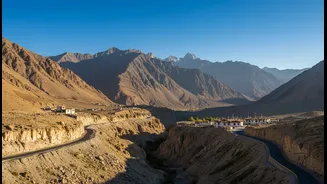
The single most effective way to prevent AMS is to ascend gradually. For those flying directly into a high-altitude location like Leh, which sits at about 11,500 feet, this advice is even more critical. The Leh District Administration has a mandatory 48-hour acclimatization period for all tourists arriving by air for this very reason. This means spending at least two full nights in Leh before venturing to higher areas like Khardung La or Pangong Lake. This 'extra night' isn't a suggestion; it's a safety requirement that allows your body to begin its complex adaptation process, which includes increasing respiration and eventually producing more red blood cells to carry oxygen more efficiently.
More Than Just Avoiding Sickness
Viewing this extra day as a 'wasted' day is a mistake. It is an investment in the rest of your trip. A well-acclimatized body means you will have more energy, a better appetite, and will sleep more soundly. Instead of battling a persistent headache and fatigue while trying to force a smile for a photo, you'll be able to genuinely soak in the incredible scenery. This downtime allows you to explore the local culture at a relaxed pace, perhaps visiting a local market or monastery, without the pressure of a ticking clock. The goal is to remember the majestic mountains, not the misery of feeling unwell.
How to Plan Your Itinerary for Success
When building your travel plan, treat the first two days as dedicated rest days. On Day 1, do as little as possible. Focus on hydration by drinking 3-4 litres of water, and avoid alcohol, smoking, and heavy meals, all of which can interfere with acclimatization. On Day 2, you can engage in light activity, like a short, flat walk around Leh town. This 'active rest' helps your body adapt better than simply staying in bed. A popular strategy is to 'climb high, sleep low,' meaning you can take short day trips to slightly higher elevations but should return to a lower altitude to sleep. This simple adjustment drastically improves your body's ability to handle the altitude for the remainder of your journey.