





Tomatoes: Keep Them on the Counter
That plump, juicy tomato you brought home from the market belongs on your counter, not in your refrigerator. Tomatoes are native to warm climates and are sensitive to the cold. When you refrigerate them, the cold temperature halts the natural ripening
process and damages the membranes inside the fruit’s walls. This breakdown leads to a mealy, mushy texture. More importantly, the cold suppresses the key enzymes responsible for creating the complex, tangy, and sweet aromas that make a tomato taste like a tomato. The result is a bland, watery, and disappointing fruit. For the best flavour, store whole tomatoes at room temperature away from direct sunlight and eat them within a few days of ripening. The only exception is if a tomato is perfectly ripe and you need to extend its life by another day or two; at that point, refrigeration becomes a last resort.
Potatoes: A Cool, Dark, and Dry Place
Putting potatoes in the fridge is a common mistake with significant consequences for both taste and safety. The cold, moist environment of a refrigerator causes the starches in a potato to convert into sugar. When you cook these sugar-heavy potatoes, especially at high temperatures like frying or roasting, they can taste unpleasantly sweet and may darken more than usual. More concerning is that these sugars can combine with an amino acid to create a chemical called acrylamide, which has been linked to health concerns in some studies. The best way to store potatoes for both flavour and safety is in a cool, dark, and dry place with good air circulation, like a pantry or a cupboard. A paper bag or a mesh bag is ideal, as it allows the potatoes to breathe and prevents moisture buildup.
Bread: The Fridge Is Not Your Friend
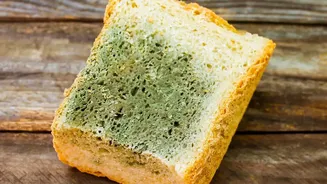
It seems logical to put bread in the fridge to prevent it from going mouldy. While the cold does slow mould growth, it dramatically accelerates the staling process. The science behind this is called starch retrogradation. When bread is baked, its starch molecules are in a soft, gel-like state. As it cools, these molecules begin to recrystallize and push out water, making the bread hard and dry. Refrigerator temperatures are the ideal range for this recrystallization to happen at maximum speed. In other words, a loaf of bread will go stale much faster in the fridge than it will at room temperature. The best way to keep bread fresh for a few days is to store it in a breadbox or a sealed paper bag on your counter. For long-term storage, your freezer is the best option. Freezing almost completely stops the staling process, preserving the bread's texture for months.
Onions and Garlic: Let Them Breathe
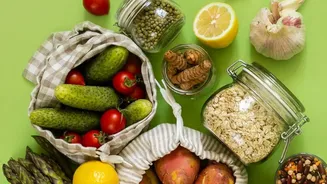
Onions and garlic are foundational ingredients in many Indian kitchens, and they also have specific storage needs that don't involve the fridge. Both need good air circulation to stay firm and fresh. Storing them in the refrigerator, where the air is moist, can cause them to become soft, sprout, and develop mould quickly. The ideal storage spot is a cool, dark, and well-ventilated area, such as a basket in a pantry or a mesh bag hanging in a dry corner of the kitchen. It's also important to store them separately from potatoes. Onions release ethylene gas, which can cause potatoes to sprout prematurely, while the moisture released by potatoes can make onions spoil faster.
Other Foods to Keep Out of the Cold
The list of foods that suffer in the cold doesn't end there. Whole melons, for example, lose some of their antioxidant content when chilled; they are best kept on the counter until they're cut. Honey will crystallize and become hard in the fridge, making it difficult to use. Coffee, whether in bean or ground form, will absorb the odours of other foods in the refrigerator, ruining its flavour. And keeping bananas in the fridge will turn their peels black and stop them from ripening properly, though the fruit inside will still be edible. Avocados and bell peppers also fare better at room temperature until they are fully ripe or have been cut.