

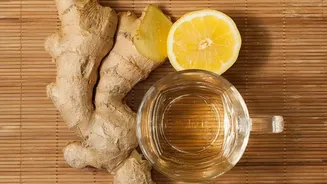
The Soothing Power of Ginger
For centuries, ginger has been a cornerstone of traditional medicine, celebrated for its warming properties and health benefits. A ginger compress is an external application of hot ginger-infused water, designed to deliver these properties directly to a specific
area of the body. The warmth of the compress, combined with ginger's active compounds like gingerols, helps to stimulate circulation and blood flow. This process is believed to help relax tense muscles, ease joint stiffness, and provide targeted relief for everyday aches and pains, such as backaches or menstrual cramps. The goal is to create a penetrating warmth that allows the tissues to soften and release tension, making it a popular choice in holistic practices like Ayurveda and macrobiotics for managing discomfort.
Gathering Your Simple Supplies
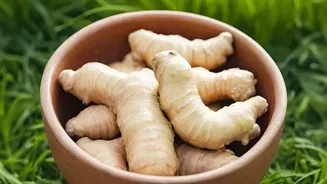
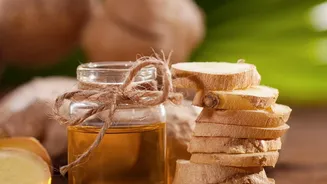
Creating a ginger compress at home requires only a few basic items. Before you begin, gather everything you need to make the process smooth and relaxing. You will need: a large piece of fresh ginger root (about a golf-ball-sized knob or larger), a grater, a large pot with about two litres of water, a cheesecloth or a small cotton bag, and at least two small cotton towels or cloths. It is best to use fresh ginger, as it contains the most potent active compounds; powdered ginger is less effective. Having an additional large, dry towel on hand is also useful for insulating the compress and retaining its heat for longer.
Preparing Your Ginger-Infused Water
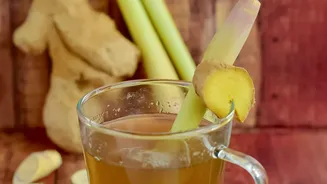
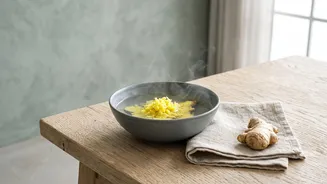
The first step is to create the potent ginger tea for your compress. Start by thoroughly washing and grating the fresh ginger root; there is no need to peel it. Place the grated ginger into a cheesecloth or a clean cotton sock and tie it securely to create a pouch. Bring your pot of water to a boil and then reduce the heat to a low simmer. Drop the ginger pouch into the hot water and let it steep for at least 10 to 15 minutes. The water should not be at a rolling boil, but hot enough to extract the essence of the ginger, turning the water cloudy and aromatic. Keep the pot on a very low simmer to maintain its temperature while you apply the compress.
The Art of Gentle Application
This is where the "without excess pressure" rule is crucial. The therapeutic benefit comes from the heat and the ginger, not from forceful application. Using tongs or rubber gloves for safety, dip a cotton towel into the hot ginger water. Carefully wring out the towel until it is damp but not dripping. Before applying, always test the temperature on a less sensitive part of your skin, like your forearm, to ensure it is hot but not scalding. Instead of pressing the towel onto the affected area, gently place or lay it on the skin. You can also use a light dabbing motion, lifting and reapplying, especially when the towel is at its hottest. This prevents any discomfort and allows the heat to penetrate gradually. Cover the wet towel with a dry one to hold in the warmth. As the compress cools after about five minutes, dip, wring, and reapply. Repeat this process for 15 to 20 minutes.
Best Practices and When to Be Cautious
A ginger compress is most effective for chronic aches, muscle stiffness, and non-inflamed joint pain. However, it is not suitable for all situations. It is critical to avoid applying a hot compress to areas of high inflammation, fresh injuries, open wounds, rashes, or tumours. Also, avoid applying it directly over the spine. People who are pregnant should consult a healthcare provider before use. While generally safe, some people may have skin sensitivity to ginger. It is wise to do a small patch test first. The goal is to create a pleasant, warming sensation that promotes relaxation. If you experience any irritation or increased pain, discontinue use immediately. Listen to your body—gentle warmth is the aim, not intense, uncomfortable heat or pressure.