



India's electric vehicle market just posted another blockbuster month, with October 2026 sales showing a massive annual jump. But a closer look reveals a more complex picture. What's the story behind the numbers?
Decoding the October Surge
India's electric car segment continued
its impressive run in October 2026, with retail sales soaring by over 76% compared to the same month last year. According to data from the Federation of Automobile Dealers Associations (FADA), automakers sold approximately 37,049 electric passenger vehicles, a substantial leap from the 20,995 units retailed in October 2025. This surge pushed the market share of EVs to 7.3% of all passenger vehicles sold, more than double the 3.5% share it held a year prior, signalling a significant shift in consumer preference. However, the month-over-month (MoM) growth tells a different, more subdued story, with sales increasing by a modest 2.6% from September 2026. This contrast between the explosive annual growth and the slight monthly uptick is key to understanding the real state of India's EV journey.
Annual vs. Monthly: A Tale of Two Metrics
The massive 76% year-on-year (YoY) growth figure is the star of the show, and for good reason. It confirms the underlying, long-term trend: more Indians are choosing to go electric every year. This structural growth is driven by fundamental factors like rising fuel prices, greater environmental awareness, improving technology, and a wider variety of models available. In contrast, the small 2.6% month-on-month (MoM) increase reflects short-term market dynamics. A smaller monthly rise, especially after a strong festive season in the preceding month, isn't necessarily a sign of weakness. Instead, it shows a market that is consolidating its gains. The annual figure shows the direction of travel, which is strongly upward, while the monthly number provides a snapshot of immediate market momentum.
Who is Leading the Charge?
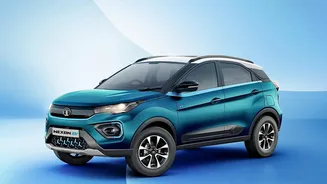
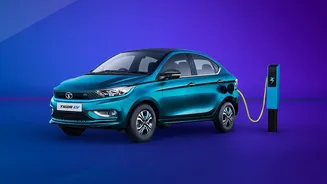
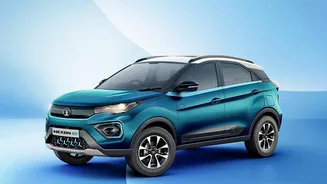
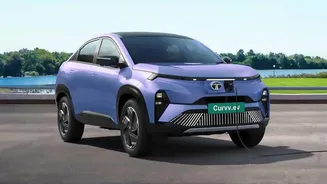
The competitive landscape is becoming more defined, though one giant still looms large. Tata Motors continues to dominate, commanding a market share of around 40%. In October, the company sold 14,669 EVs, marking a 77.6% increase from the previous year. However, rivals are gaining ground. Mahindra & Mahindra has firmly secured the second spot with a remarkable 85.7% annual growth, selling 8,542 units and capturing nearly 24% of the market. JSW MG Motor India holds the third position with 5,939 units sold. Together, these top three manufacturers account for nearly 80% of all electric cars sold in India, showcasing their collective grip on the market. Other players like VinFast, Kia, and Maruti Suzuki are also making their presence felt, contributing to a more competitive environment.
The Catalysts Behind the Growth
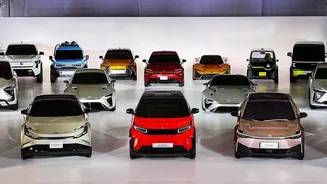
Several factors are powering this sustained EV boom. Government initiatives, such as the FAME scheme and state_level subsidies, have been crucial in making EVs more affordable. The festive season often provides a significant, albeit temporary, sales boost. More importantly, the expansion of product portfolios is giving consumers real choice. Automakers are launching new models across various price points, from entry_level options like the Tata Punch EV to premium SUVs like Mahindra's XEV 9S. This growing range, coupled with technological advancements in battery life and performance, is steadily chipping away at consumer hesitation. Lower running costs and reduced maintenance needs are also powerful economic incentives for buyers looking at the total cost of ownership.
Roadblocks and Reality Checks
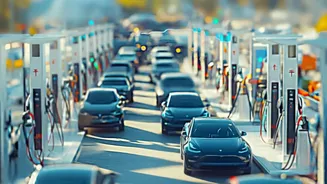
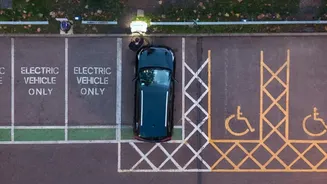
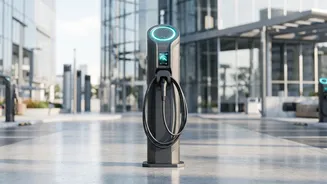
Despite the celebratory numbers, the path to mass adoption is not without its hurdles. The most significant challenge remains the charging infrastructure, which is still inadequate and unevenly distributed, particularly outside of major metropolitan areas. This contributes to 'range anxiety', a major concern for potential buyers who fear running out of power on longer journeys. While the upfront cost of EVs is decreasing, it remains a barrier for many compared to their petrol or diesel counterparts. Furthermore, India's reliance on imports for critical components like battery cells presents a supply chain risk that could impact future growth and affordability. For the EV market to maintain its trajectory, consistently addressing these infrastructure and cost challenges will be paramount.