

The Science of Saffron
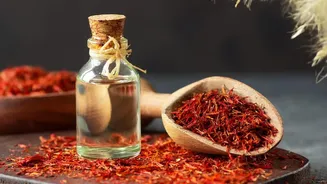
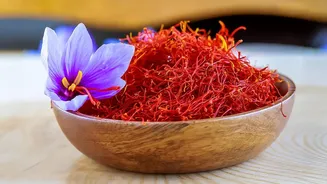
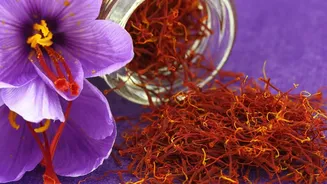
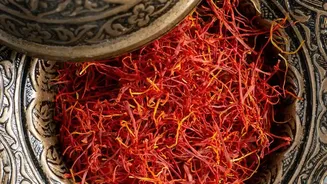
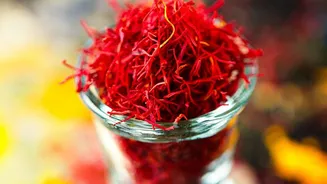
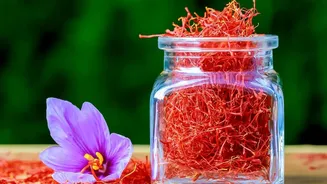
Before you even get to the kitchen, understanding why saffron is so special helps. Those deep-red threads contain powerful compounds. The three most important are crocin, which provides the brilliant golden colour; picrocrocin, which delivers the unique,
slightly bitter taste; and safranal, which is responsible for the rich, floral aroma. These compounds are water-soluble, meaning they need liquid to be released from the thread's cellular structure. Dropping dry threads directly into a hot pan or a pot of rice is a common mistake that leads to uneven colour and muted flavour, essentially wasting much of this precious ingredient. By creating an infusion, you gently coax out the flavour and colour, preparing a potent liquid that can be distributed evenly throughout your entire dish.
How to Infuse Saffron: The Warm Method
This is the most common and practical method for home cooks. First, gently crush the saffron threads. You can use a small mortar and pestle or simply rub them between your fingers. Some cooks add a tiny pinch of sugar or coarse salt to act as an abrasive, making the grinding easier. Place your crushed saffron—about 15-20 threads is enough for a dish serving four to six people—in a small bowl. Add two to three tablespoons of warm liquid. This could be water, milk, or broth, depending on your recipe. The key is to use warm, not boiling, liquid, as boiling water can destroy saffron's delicate aromatic compounds. A temperature around 60-70°C is ideal. Let the mixture steep for at least 15 to 20 minutes before using. You'll see the liquid transform into a vibrant, fragrant gold.
An Alternative: The Cold-Brew Method
For those with more time, a cold infusion can yield even more complex results. This method is preferred by some chefs because it preserves the most delicate nuances of saffron's aroma, which can be sensitive to heat. To do this, crush your saffron threads as you would for a warm infusion. Instead of warm water, place an ice cube directly on top of the ground saffron in a small bowl. As the ice slowly melts, it gently coaxes out the colour and flavour compounds without any risk of heat damage. This process takes longer, often a couple of hours, but results in a beautifully deep and aromatic infusion. Once melted, the saffron-infused water is ready to be used. This method is excellent for dishes where you want the purest saffron flavour to shine.
Choosing the Right Liquid
While lukewarm water is the most neutral and common choice for creating an infusion, it’s not your only option. The liquid you choose should complement the final dish. For sweet preparations like kheer, cakes, or panna cotta, infusing saffron in warm milk is an excellent choice. The dairy fat can help carry the flavour beautifully. For savoury dishes like risotto, paella, or biryani, using a few tablespoons of the warm broth or stock you'll already be using in the recipe is a perfect way to build layers of flavour. You can even use white wine for certain sauces, though it's best to avoid red wine, as its tannins can interfere with saffron's delicate profile.
Putting Your Infusion to Use
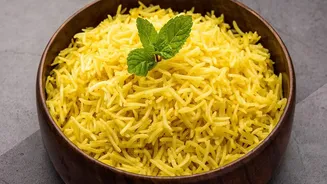
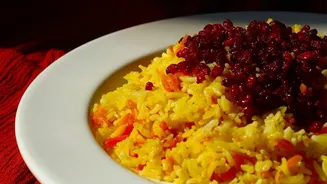
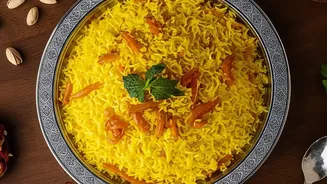
Once your saffron is bloomed and the liquid is glowing with colour, it’s time to cook. A crucial rule is to add the entire infusion—both the liquid and the softened threads—to your dish. Don’t strain out the threads unless a recipe specifically calls for it. The best time to add the infusion is typically near the end of the cooking process. This helps preserve the volatile aromas that you worked so hard to extract. For rice dishes like biryani or pulao, you might drizzle the saffron liquid over the rice in its final minutes of steaming to create beautiful golden streaks and an irresistible fragrance. For soups and stews, stirring it in just before serving will give the dish a final burst of flavour and aroma.