




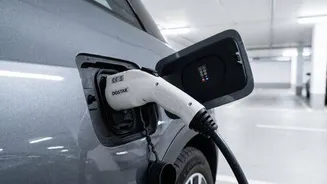


The Next Chapter: Delhi's EV Policy 2.0
Delhi's latest initiative is part of its new Electric Vehicle (EV) Policy, which is set to be implemented from July 1, 2026, and remain in effect until March 31, 2030. This isn't just a minor update; it's a comprehensive strategy backed by a planned investment
of around ₹15,000 crore over four years to boost green mobility. Building on the foundations of its previous policy, this new version places a significant emphasis on solving one of the biggest barriers to EV adoption: the availability and accessibility of charging points. The goal is to move from early adoption to mass-market acceptance by making charging an EV as easy and convenient as filling up a petrol tank.
An Ambitious Target: 30,000 New Chargers
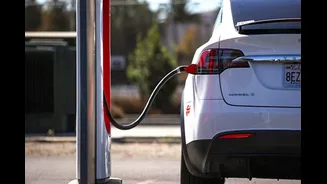
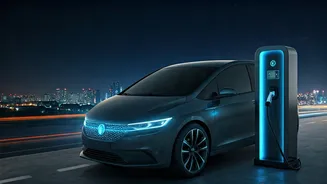
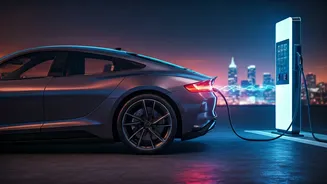
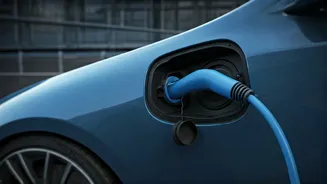
The centerpiece of this new push is the ambitious target to install more than 30,000 EV charging points across Delhi over the next four years. Some official targets even mention a goal of 32,000 points by 2030. This represents a massive scaling up of the current infrastructure, which saw the total number of charging points cross 10,000 recently. The plan isn't just about numbers; it's about strategic placement. The government aims to develop charging infrastructure on a large scale across the city, with land already being identified for this purpose. This includes setting up integrated EV charging hubs near major markets and other public spaces. The expansion will be closely monitored by Delhi Transco Limited (DTL), which will act as the nodal agency.
Making It Easier at Home and Work
Recognizing that most charging happens overnight or during work hours, the policy continues to support private charging solutions. A single-window facility, managed by Delhi's power discoms (BRPL, BYPL, and TPDDL), simplifies the process for residents to get chargers installed in their homes, apartments, and even small shops. To sweeten the deal, the government offers a subsidy of up to ₹6,000 for the installation of the first 30,000 of these private and semi-public charging points. This makes the cost of a basic home charger as low as ₹2,500 for some models after the subsidy. The policy also ensures that electricity consumed at these points is billed at a reduced tariff of ₹4.5 per unit, one of the lowest in the country.
Phasing Out Polluters, Ramping Up Electric
The infrastructure push is part of a broader strategy to phase out polluting vehicles. The new policy lays down a clear timeline for the transition. From January 1, 2027, only electric auto-rickshaws will be eligible for new registration. More significantly, from April 1, 2028, the registration of new petrol and CNG two-wheelers will be discontinued, making way for electric-only registrations in one of Delhi's largest vehicle segments. To encourage this switch, the policy includes a mix of purchase incentives and scrappage benefits for those replacing older, more polluting vehicles with new EVs. For example, a 100% exemption on road tax and registration fees is available for electric cars priced up to ₹30 lakh.