
More Than Just Molten Lava
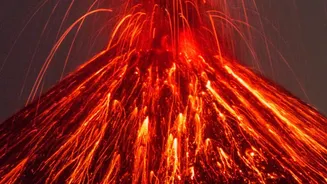
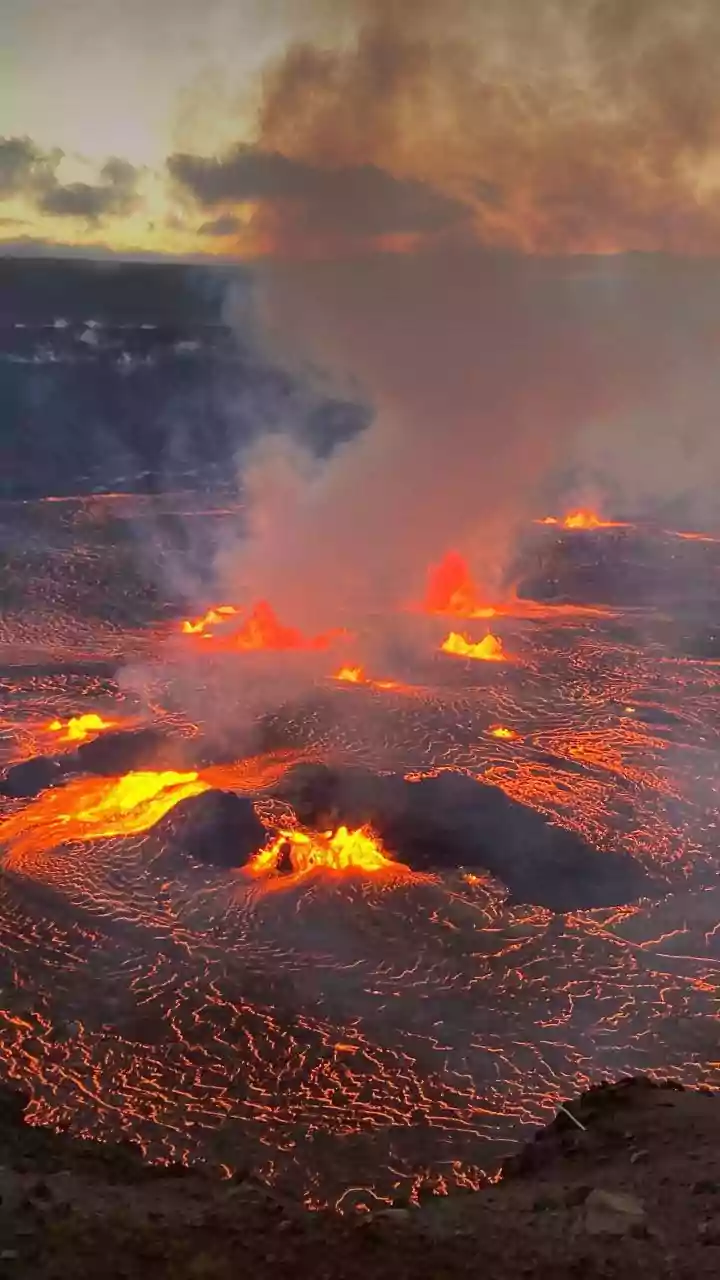
When we picture volcanic danger, we imagine rivers of glowing lava. While lava is an undeniable hazard, it's often the slowest and most predictable threat. The real, immediate dangers are frequently invisible. Safety barriers are placed based on scientific
assessments of multiple risks, not just the visible flow of magma. Officials at parks like Hawaiʻi Volcanoes National Park stress that these barriers are there to prevent serious injury or death from a host of threats. Crossing them means you are stepping into an environment where conditions can change in seconds, far from the reach of immediate help.
The Ground Isn't as Solid as It Looks
One of the most underestimated dangers is the ground itself. The area around a volcanic crater or vent is not stable. Years of heat and gas emissions can weaken the rock, creating a fragile crust over hollow cavities or steep, crumbling cliffs. What appears to be solid ground can collapse without warning. There are numerous accounts of tourists who have paid a heavy price for this miscalculation. In one incident at Kilauea, a man survived a 70-foot fall after climbing over a guardrail to get a better look. In another, a man trying to retrieve his phone after taking a selfie on a forbidden path at Mount Vesuvius fell several metres into the crater. These individuals were lucky; for many, such a fall would be fatal.
Invisible Killers in the Air
What you can't see can absolutely hurt you. Volcanoes continuously release a cocktail of toxic gases, even when they are not actively erupting. Gases like sulfur dioxide, carbon dioxide, and hydrogen sulfide are often colourless and odourless in certain concentrations. Because many of these gases are heavier than air, they can accumulate in low-lying areas, including the depressions just beyond a viewpoint barrier. Exposure can cause dizziness, breathing difficulties, and even lead to unconsciousness and death within minutes. These gases pose a significant risk, especially to those with respiratory issues, children, and pregnant women. The designated viewing area is chosen partly to minimize your exposure to these unseen airborne hazards.
The Ripple Effect of a Bad Decision
Crossing a barrier isn't just a personal risk; it endangers others. When a tourist gets into trouble, it triggers a complex and dangerous rescue operation. Park rangers and first responders are forced to enter the same hazardous area you were warned to avoid. Rescues on unstable cliffs or in gas-filled environments put their lives on the line. In the Kilauea incident, it took rescue teams nearly three hours to locate the fallen man on a narrow ledge, requiring a high-angle rescue to retrieve him. Choosing to ignore the rules can turn a personal adventure into a potential tragedy for the people who have to come and save you.
How to Experience Volcanoes Safely
The allure of volcanoes is undeniable, and you can experience their power safely by being a responsible tourist. The key is to respect the environment and the rules designed to protect you. Always stay on marked trails and behind all safety barriers. Pay close attention to park alerts and information from official sources like the US Geological Survey (USGS) or local park authorities. Wear sturdy, closed-toe shoes and carry essentials like water, a flashlight for night viewing, and a first-aid kit. Remember that conditions can change rapidly. If you see others disregarding the rules, don't follow their lead. The ultimate goal is to leave with incredible memories, not to become a cautionary tale.