


The Green Revolution in the Kitchen
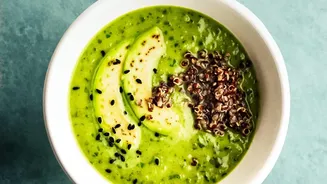
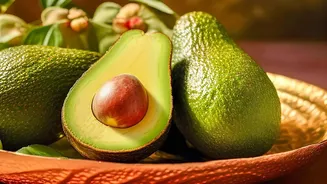
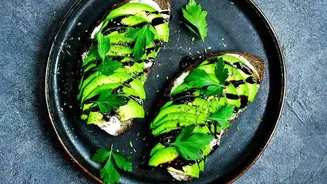
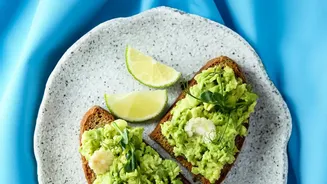
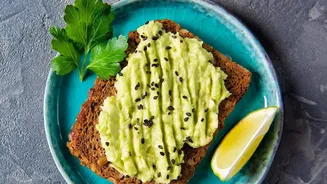
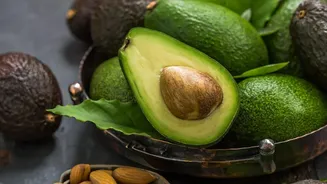
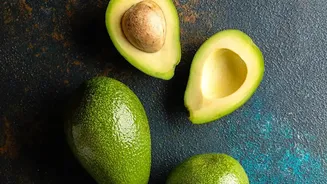
From metropolitan cafes to home kitchens, the avocado is making a significant entrance into Indian cuisine. It's being mashed into paratha dough, blended into chutneys, diced into raita, and even used as a filling for dosas and pav. The appeal is clear:
its creamy texture and mild flavour make it a versatile ingredient. Health-conscious consumers embrace it as a source of healthy fats, fibre, and vitamins, seeing it as a nutritious substitute for butter or mayonnaise. Dishes like avocado chaat and Indo-Mexican pani puri highlight a playful fusion, blending familiar street food formats with a novel, buttery element. This wave of experimentation is championed by those eager to evolve and adapt Indian flavours for a modern palate.
A Match Made in Heaven?
Proponents of Indian-style avocado dishes argue that its profile is a natural fit. The fruit's creamy, almost neutral taste acts as a blank canvas, allowing the robust flavours of Indian spices to shine. It can add richness to a curry without heavy cream, lend a silky texture to a kebab, or provide a cooling counterpoint in a spicy salad. Chefs and food bloggers have demonstrated that when blended with mint, coriander, and lime, it creates a vibrant green chutney. When kneaded into dough with spices like cumin and ajwain, it results in exceptionally soft parathas. For many, this isn't about replacing traditional ingredients but expanding the culinary toolkit with something new and beneficial.
An Unwelcome Guest at the Table?
However, not everyone is convinced. For culinary purists, the introduction of avocado feels forced and inauthentic. The arguments against it often centre on three points: flavour, cost, and tradition. Some feel its subtle taste gets lost or, worse, creates a jarring texture in dishes that have well-established profiles. There's also the economic reality; avocados are often expensive and not widely available across India, making them an elite ingredient that goes against the accessible nature of everyday Indian food. This has led to a debate about whether fusion sometimes becomes 'confusion', creating gimmicky dishes that disrespect the integrity of the original recipe. The question arises: does every global trend need to be incorporated into our food culture?
Not the First Foreigner in the Pantry
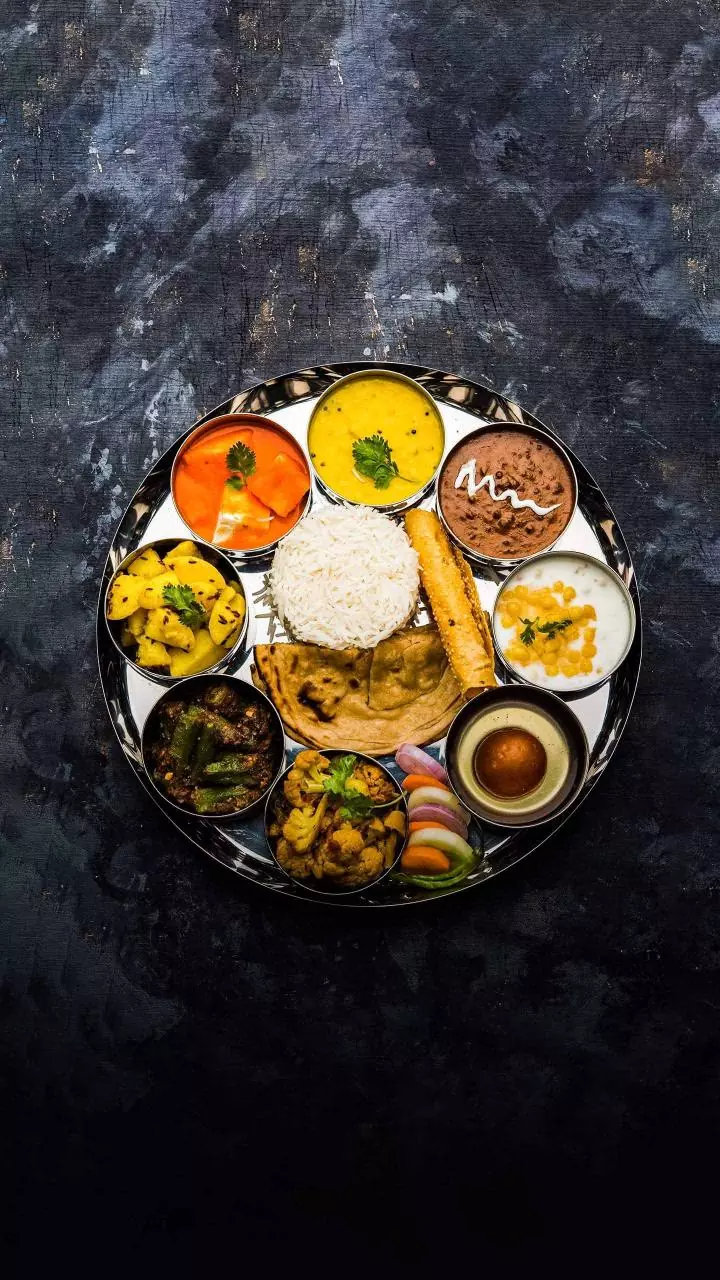
This debate is hardly new. Indian cuisine is a testament to centuries of culinary fusion. Many ingredients we now consider essential were once foreign imports. Potatoes, tomatoes, and chillies—the foundational trio of countless Indian curries—were introduced by European traders, primarily the Portuguese, centuries ago. When they first arrived, these 'bilati' (foreign) vegetables were met with suspicion. Tomatoes, for instance, took a long time to be accepted into mainstream Indian cooking. Chillies gained popularity partly because they were a cheaper alternative to native black pepper. This historical context suggests that culinary authenticity is not static but constantly evolving. The ingredients that endure are the ones that prove their worth in the kitchen and on the palate.