






What Exactly is Aerial Yoga?
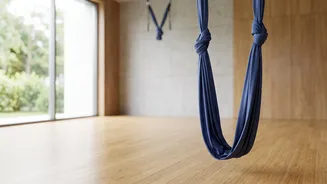
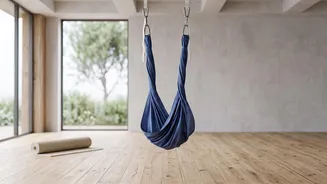
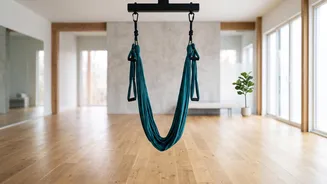
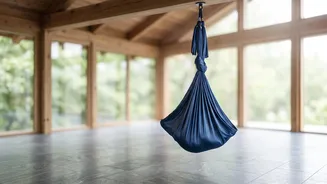
Aerial yoga, sometimes called anti-gravity yoga, uses a soft, fabric hammock suspended from the ceiling to support your body in various poses. It combines traditional yoga principles with elements of Pilates and dance. The hammock acts as a supportive
partner, helping you to deepen stretches, hold challenging poses for longer, and even go completely upside down with a sense of weightlessness. It’s a practice that builds strength, flexibility, and a unique connection between your mind and body.
The Surprising Benefits for Body and Mind
Hanging in a silk hammock is more than just fun; it’s a full-body workout with some impressive advantages. One of the most significant benefits is spinal decompression. By allowing gravity to gently traction your spine during inversions, you can help relieve back tension. The practice also builds serious core strength, as your abdominal muscles work constantly to stabilize your body in the air. Many people also experience improved flexibility, as the hammock allows for deeper, more supported stretches. Beyond the physical, there's a mental boost. Learning to trust the fabric and your body builds confidence, while the focus required for each pose promotes mindfulness and reduces stress.
Is Aerial Yoga Right for You?
While aerial yoga is a low-impact workout, it’s not suitable for everyone. The inversions (going upside down) increase blood pressure, so it's generally not recommended for individuals with uncontrolled high or low blood pressure, heart conditions, or glaucoma. Other contraindications include recent surgery, severe spinal injuries, vertigo, and pregnancy. If you have any of these conditions or other medical concerns, it is essential to consult with your doctor before attempting a class. An open conversation with your potential instructor about any physical limitations is also a crucial step before you begin.
Your First Class: What to Expect
Walking into your first class can be intimidating, but a good instructor will make you feel welcome. The class will likely start with a warm-up on the mat before you even touch the hammock. The instructor will guide you on how to get into the silk and perform basic supported poses. Expect to feel a mix of excitement and perhaps a little nervousness. It's normal to feel some discomfort as your body gets used to the pressure of the fabric. The key is to communicate with your teacher if anything feels wrong. Many classes end with the best part: Savasana (corpse pose), where you lie fully cocooned in the hammock, gently swaying as you relax.
Dress for Success and Safety
What you wear matters for both comfort and safety. The most important rule is to wear fitted clothing that covers your skin. Choose leggings or yoga pants that cover the backs of your knees and a top that covers your underarms. This prevents the silk from chafing or pinching your skin and keeps the shared equipment clean. Avoid loose or baggy clothing that could get tangled in the hammock. It's also critical to remove all jewellery—rings, bracelets, necklaces, and even some earrings can snag and tear the delicate fabric. Finally, skip the hand lotion or perfume before class, as they can make the fabric slippery or leave residue.
Finding a Qualified Instructor
The "proper supervision" part of aerial yoga is non-negotiable. The safety and quality of your experience depend almost entirely on your instructor. Look for teachers who have a specific certification in aerial yoga, not just a standard yoga certification. Many reputable programs are recognized by bodies like the Yoga Alliance. Before signing up, check the studio's website for teacher bios and qualifications. A good sign is when a studio requires instructors to have a background in yoga, Pilates, or dance in addition to their aerial training. If possible, take a beginner class or talk to the instructor beforehand to get a feel for their teaching style and safety protocols.