








What Is Direct to Cell?
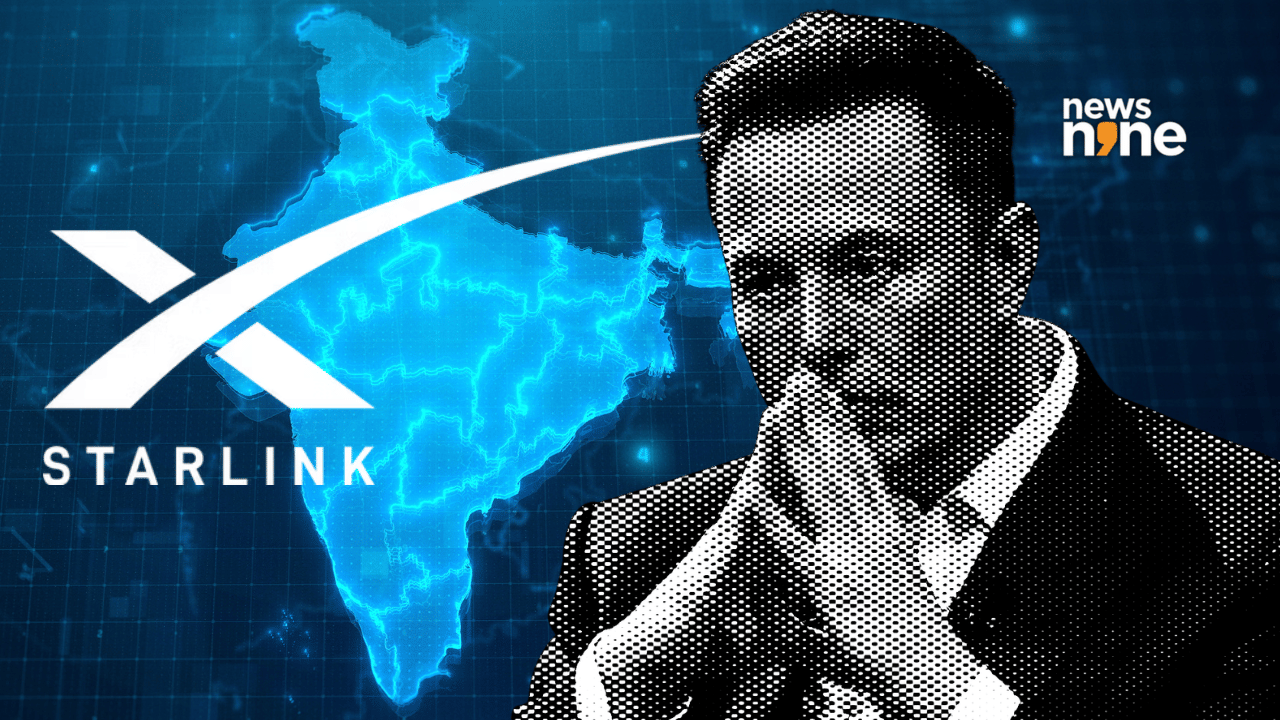
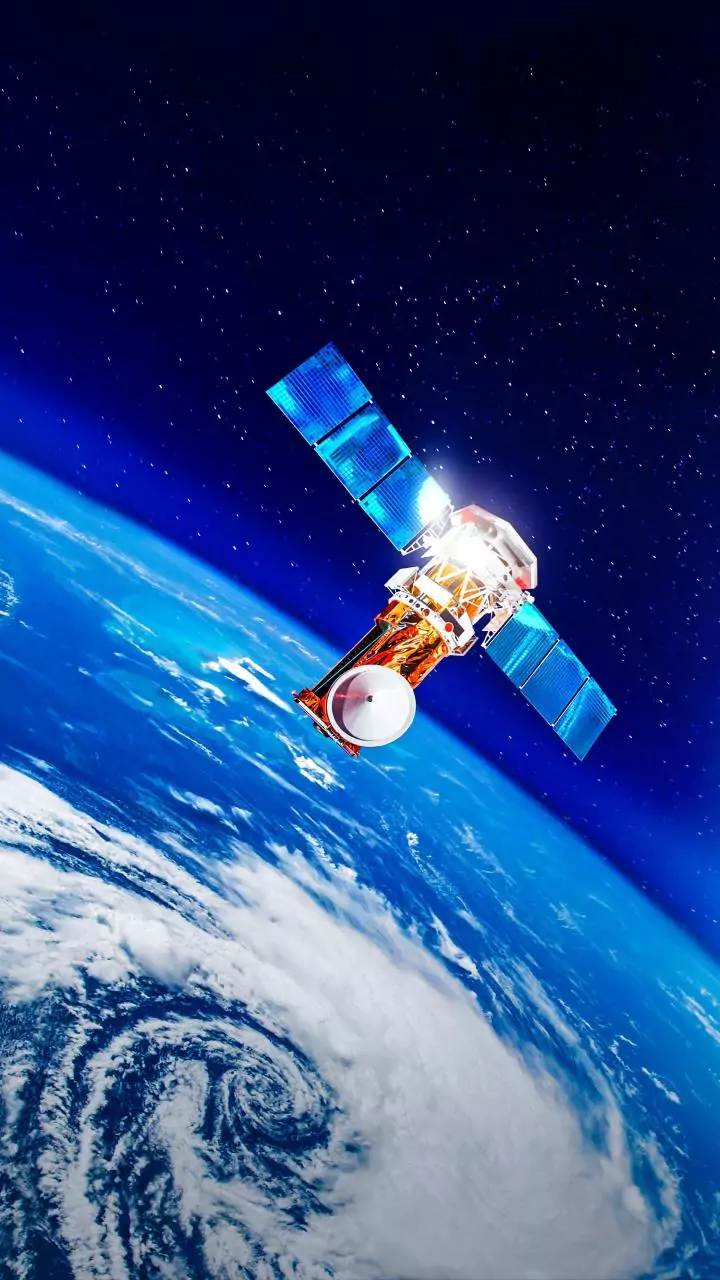
At its core, Starlink's Direct to Cell service turns its low-Earth orbit (LEO) satellites into orbiting mobile phone towers. Instead of your phone searching for a signal from a tower on the ground, it can connect to a satellite when you're outside of your regular
network's reach. This isn't about replacing your current mobile carrier; it's designed as a supplemental service to fill in the gaps. Your phone will automatically switch to the satellite connection when it loses terrestrial service, providing a seamless safety net for communication in remote or previously unconnected areas.
How Does It Work Without a Special Phone?
The key innovation is that this service works with existing, unmodified LTE smartphones. There's no need for a bulky satellite phone or special hardware. Starlink's satellites are equipped with advanced modems that can broadcast signals using spectrum licensed to its partner mobile carriers, like T-Mobile in the United States. This allows your standard phone to recognize and connect to the satellite as if it were just another cell tower. When you're connected via satellite, a symbol often appears on your phone's status bar to let you know. This technological and regulatory breakthrough is what makes the system integrate smoothly into the existing mobile ecosystem.
More Than Just Emergency Texts
The rollout of Direct to Cell is happening in phases. The service began by supporting SMS and MMS text messaging, which requires the least amount of bandwidth. This initial capability is already live in several countries through partnerships with carriers like T-Mobile in the US and OneNZ in New Zealand. The plan is to expand capabilities to include voice calls and data services. While the initial data speeds are limited and not intended for streaming video, they are sufficient for using essential apps like WhatsApp, Google Maps, and weather services, with full voice and broader data capabilities planned for the future.
Who Can Get It and When?
Access to the service depends on partnerships between Starlink and local mobile network operators. In the US, T-Mobile was the first to launch the service, branding it 'T-Satellite'. It's included with some of their premium plans and available as a monthly add-on for other T-Mobile customers, as well as customers of rival carriers like AT&T and Verizon who have a compatible, unlocked phone. Similar partnerships are in place or being developed with carriers in Canada, Australia, New Zealand, and Ukraine, with a broader global rollout planned. The service officially launched commercially in the US in July 2025.
A Stepping Stone to Bigger Ambitions
While Direct to Cell currently functions as a complementary service, SpaceX has indicated much larger ambitions. The company has spoken about plans to launch a full-fledged mobile service that would compete directly with major carriers like AT&T, Verizon, and T-Mobile by the end of 2027. This future service would combine the satellite network with a new ground-based network of smaller, lower-cost cellular stations. The goal is to create a hybrid system that offers unparalleled coverage, leveraging satellites to eliminate dead zones entirely. Recent spectrum acquisitions and public statements suggest a serious move toward becoming a dominant force in the mobile industry, not just a partner.