




Why A Gentle Start Matters
Think of your digestive system as having been in a state of rest. When you fast, your body slows down the production of the digestive enzymes needed to break down food. Suddenly introducing a large, rich meal can overwhelm it, leading to common issues
like bloating, gas, cramps, and a sharp spike and crash in blood sugar. The goal is to gently wake up your digestive processes, not shock them into action. A slow and steady approach ensures your body can handle the festive foods to come and helps preserve the metabolic benefits you may have gained from fasting.
Your First Meal: Light and Hydrating
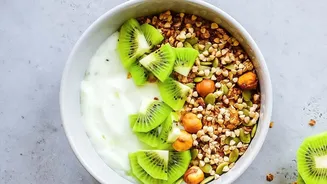
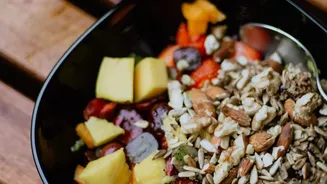
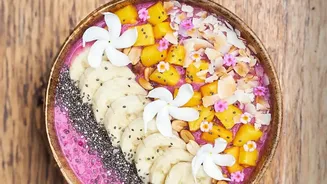
The first thing you consume after a fast is crucial. Begin by rehydrating. Your body loses water and essential minerals like sodium and potassium during a fast. Start with water, perhaps with a pinch of salt and a squeeze of lemon. Coconut water is also an excellent choice. For your first bite, opt for something simple and easy to digest. Traditionally, many cultures break fasts with dates, which provide a quick source of natural sugar and energy. Other great options include a small bowl of clear vegetable soup, a few slices of water-rich fruits like watermelon or melon, or a simple, well-cooked porridge. These foods provide hydration and gentle nutrients without overburdening your stomach.
Foods to Avoid Initially
Just as important as what to eat is what to avoid in the first few hours after your fast. Steer clear of foods that are heavy, processed, or hard to digest. This includes deep-fried items like pakoras and samosas, rich, creamy curries, and very oily dishes. Greasy and high-fat foods are difficult for your resting digestive system to process. Also, be cautious with heavily processed sweets and sugary drinks, which can cause a rapid spike in blood sugar, leading to an energy crash and undoing some of the insulin sensitivity benefits of fasting. It's also wise to delay dairy products if you've been on a longer fast, as well as overly spicy foods, which can irritate the stomach lining.
Navigating the Festive Feast
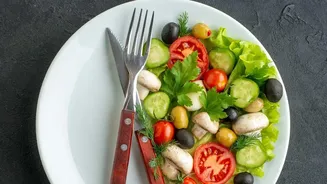
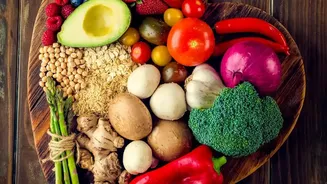
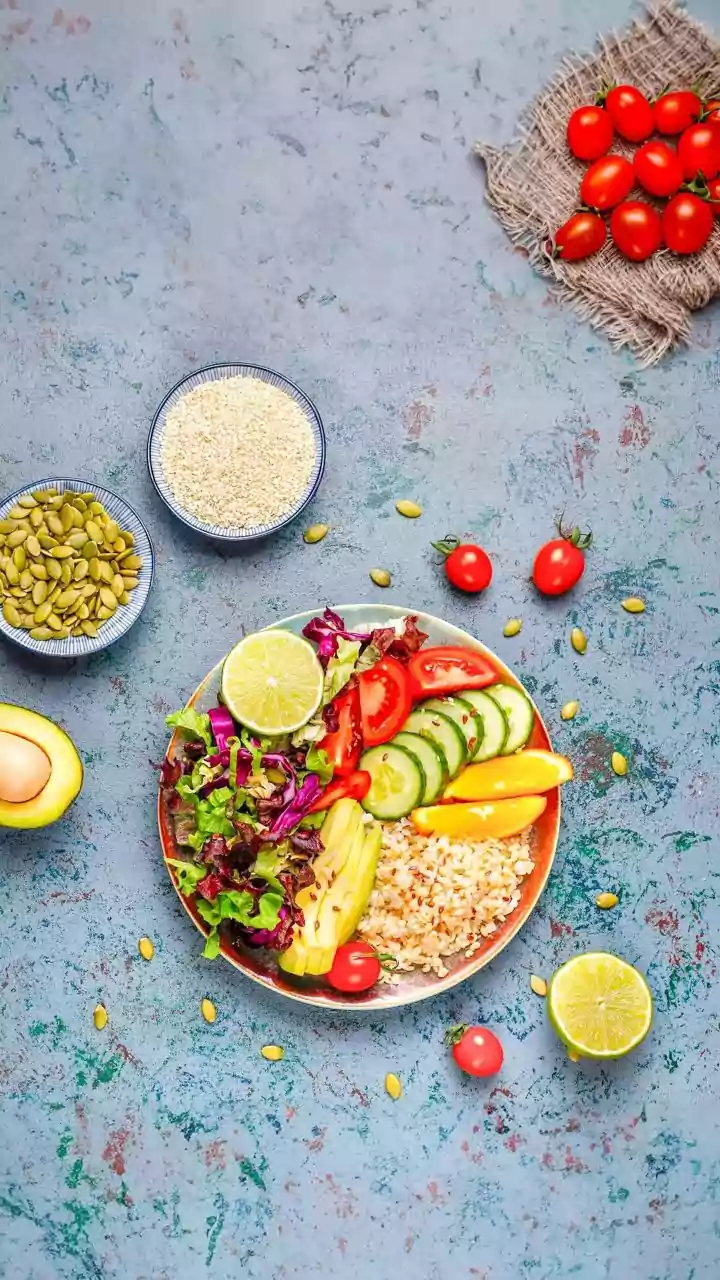
Once you've broken your fast gently, you can participate in the main festive meal more comfortably. However, mindfulness is still key. Don't feel pressured to eat everything at once or to match the portion sizes of those who haven't been fasting. Start with smaller portions and chew your food thoroughly to aid digestion. Try to build a balanced plate that includes lean proteins like grilled chicken or fish, plenty of cooked vegetables, and whole grains. Prioritizing protein and fibre can help you feel full and satisfied without overeating. Listen to your body's cues; eat until you are comfortably full, not stuffed. Remember, the feast is a marathon, not a sprint.
Stay Hydrated and Mindful
Continue to sip water between meals, as dehydration can often be mistaken for hunger. As you navigate the festivities, pay attention to how you feel. If you start to feel bloated or sluggish, take a break from eating and have some water or a warm herbal tea. The transition from fasting to feasting is a chance to practice mindful eating, a skill that's valuable year-round. By paying close attention to your body's signals of hunger and fullness, you can enjoy the social and cultural aspects of the meal without the physical discomfort. It’s about finding a happy balance where you honour both the tradition of the feast and the needs of your body.