

A Breakup Years in the Making
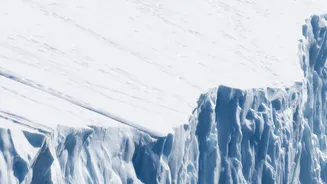
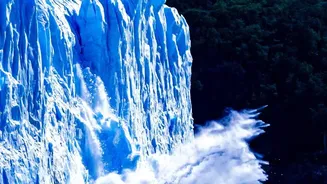
On August 4, 2026, a massive section of the Petermann Glacier's floating ice tongue finally detached. Scientists weren't entirely surprised. An international team of researchers had been monitoring growing cracks and fractures in this specific area for
years, anticipating that a significant break was imminent. The event, confirmed by the European Space Agency's Sentinel-1 satellite, marks the Petermann Glacier's largest loss of ice in over a decade, since a similar major event in 2012. This calving is also the most significant to occur anywhere in the Arctic since 2020.
The Scale of the New Ice Island
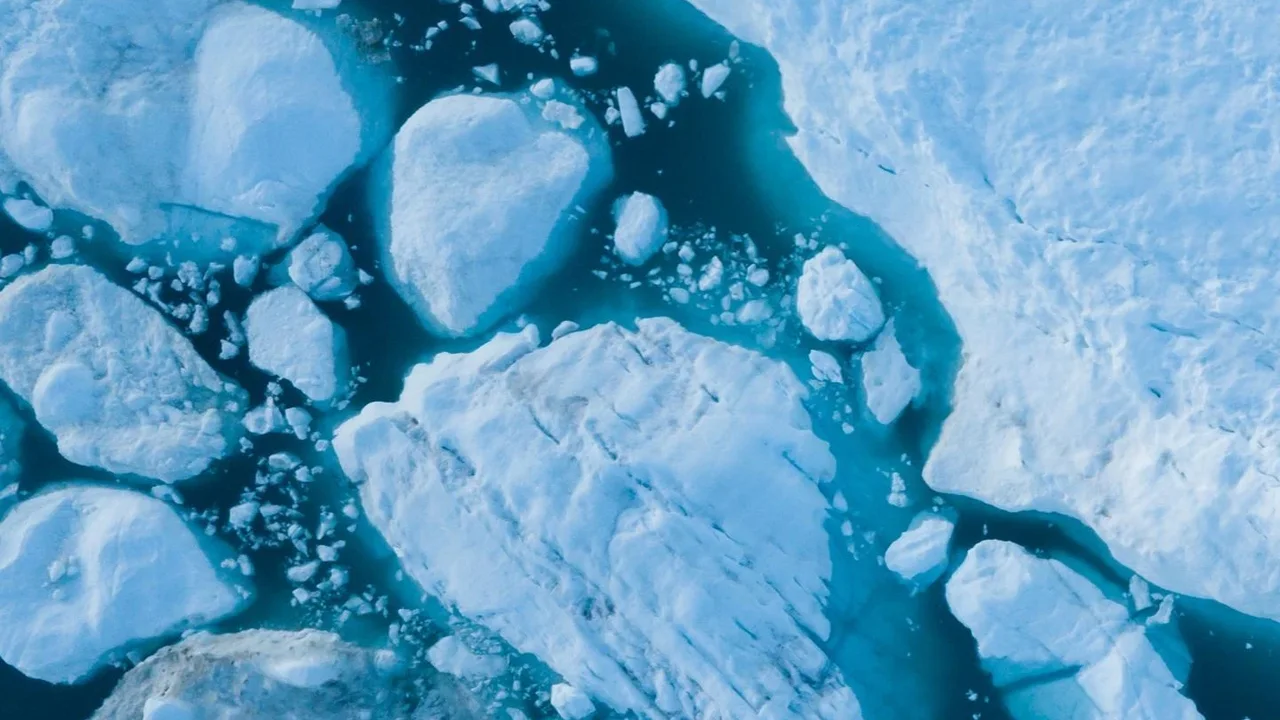
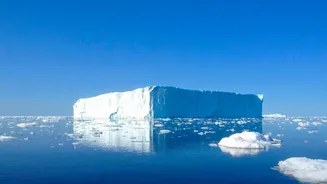
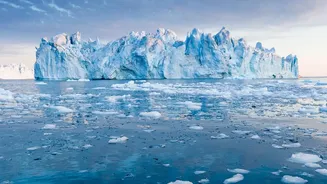
The newly formed iceberg, now a free-floating 'ice island', is immense. It covers a surface area of approximately 76 square kilometres, a size roughly comparable to Manhattan in New York City. It is also estimated to be up to 150 metres thick. Because these large, flat-topped, or tabular, icebergs are relatively rare in the Arctic compared to Antarctica, this event provides a unique opportunity for scientists. Researchers will now track its journey as it drifts south, studying how it moves, evolves, and eventually breaks apart. This provides crucial data for understanding ice dynamics and the potential hazards such ice masses pose to shipping routes.
Why This Ice Is Different
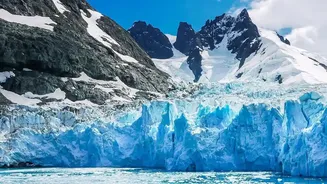
It’s important to understand why this event matters for sea levels. There is a critical difference between the melting of sea ice and the melting of land-based ice. Sea ice, which forms from frozen ocean water, is already floating in the ocean. When it melts, it’s like an ice cube melting in a glass of water—it doesn’t significantly change the overall water level. Glaciers and ice sheets, like the one covering Greenland, are formed on land from accumulated snow. When huge chunks of these glaciers break off and fall into the ocean, or when they melt, they add new water to the system, causing global sea levels to rise.
A Warning Sign for the Future
This event at Petermann Glacier is not an isolated incident but part of a disturbing trend. Greenland as a whole is losing ice at an accelerated rate. Scientists are particularly concerned because the latest break may just be the beginning for this glacier. Further monitoring reveals two other large, developing rifts in the remaining ice tongue, suggesting that more massive calving events could follow in the near future. Should these also break away, the Petermann Glacier would lose a significant percentage of its floating tongue. This type of retreat is a clear indicator of the instability caused by warming air and ocean temperatures in the polar regions.
Why Greenland's Melt Matters to India
An iceberg calving in the frigid Arctic may seem like a distant problem, but its consequences are global and have direct implications for India. The Greenland Ice Sheet holds a staggering amount of frozen water; if it were to melt entirely, global sea levels would rise by over seven meters. While that extreme scenario is not imminent, the current rate of melt is already a major contributor to the sea-level rise we see today. For India, with its 7,500-kilometre coastline, even a small increase is a significant threat. Major coastal cities, including Mumbai, Kolkata, Chennai, and Surat, are home to tens of millions of people and critical infrastructure. Rising sea levels amplify the risk of flooding, coastal erosion, and the contamination of freshwater sources, impacting lives and livelihoods across the country.