


Introducing the 'Microbite'
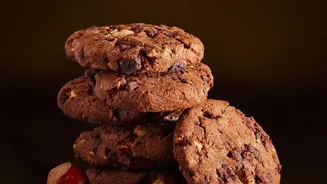
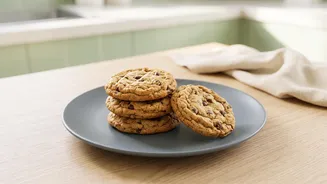
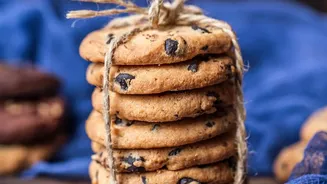
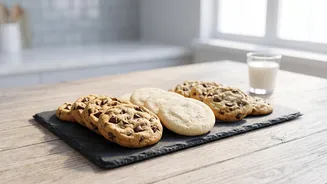
A team of scientists at Southern Illinois University (SIU) Carbondale has created a prototype food product they call µBites, pronounced 'microbites'. These are not your average biscuits; they are protein-rich cookies made from an unlikely source: PET
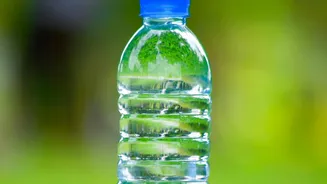
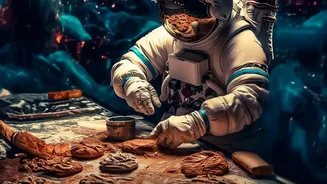
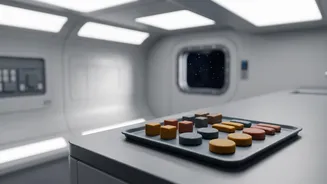
plastic, the kind used in water bottles, and agricultural waste like corn stalks. This innovation tackles two of the world's most pressing problems—plastic pollution and food insecurity—by treating one as the raw material for the other. The project, which was presented at the American Chemical Society's Fall 2026 conference, grew out of a challenge by NASA to develop sustainable food systems for long-duration space missions, where recycling every possible resource is critical.
A Recipe for Upcycling
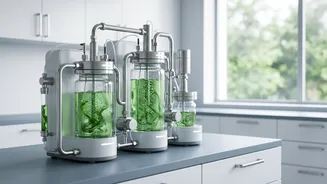
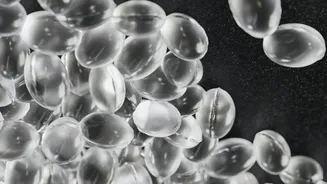
The transformation from trash to treat is a sophisticated, multi-step process. First, the waste materials—PET plastic and plant biomass—are broken down using a method called oxidative hydrothermal dissolution. Developed by an SIU geology professor, this technique uses water, oxygen, high temperatures, and pressure to break the tough materials into smaller, microbe-friendly molecular fragments. Next, these fragments are fed to genetically engineered yeast. These microbes, including strains of common baker's yeast, have been programmed to consume the carbon molecules and convert them into a biomass rich in proteins, fats, and acids—the fundamental building blocks of food. Finally, this microbial paste is mixed with conventional ingredients like fiber, starch, and sweeteners to create a dough. A 3D printer then extrudes this dough into the final cookie shape.
The Power of Engineered Yeast
The true workhorses of this process are the microbes. Scientists have long used yeasts as miniature biological factories to produce everything from insulin to enzymes. In this case, researchers programmed different yeast strains to perform specific tasks. For instance, one strain of baker's yeast was engineered to produce vanillin, the compound responsible for vanilla's flavour and aroma, directly from the processed plant waste. Another was modified to convert a chemical from the PET plastic into beta-carotene, a pigment that our bodies turn into Vitamin A. The goal is to use microbes not just for the base protein, but also to create natural flavours and enhance the nutritional profile, making the final product more appealing and consumer-friendly.
A Sustainable Vision for the Future
While the idea of eating plastic might seem unsettling, the project's vision extends far beyond a novelty cookie. The core concept is about creating a closed-loop system where waste is a valuable resource. This could have profound implications for sustainability. With global food demand projected to soar by 2050, microbial protein offers a climate-resilient food source that requires far less land and water than traditional agriculture. The process could be deployed in disaster zones, remote communities, or even on future missions to the Moon or Mars, allowing people to create nutritious food from available waste. By upcycling carbon that would otherwise pollute landfills and oceans, the technology represents a new frontier in the circular economy.
From Lab to Lunchbox
Despite its promise, the µBite is still a proof of concept. The researchers have stated that their data indicates the cookies are safe for consumption, but they are awaiting official university approval before conducting human taste tests. For now, the aroma has reportedly received positive feedback in early assessments. Beyond safety and taste, the team faces the hurdles of scaling up production, reducing costs, and gaining regulatory approval. Perhaps the biggest challenge will be consumer acceptance—the 'ick factor' associated with eating something derived from plastic waste. The researchers hope to have a version ready for the public within a few years, aiming to eventually produce all the cookie's components, including starches and sweeteners, using microbes.