

The Soul of the Dish: Pesarattu
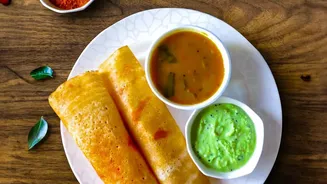
At its heart, the Pesarattu is a crepe, but it stands apart from its more common cousin, the dosa. Its name comes from 'pesara', the Telugu word for moong dal, and 'attu', meaning dosa or crepe. Unlike dosas made from a fermented batter of rice and urad
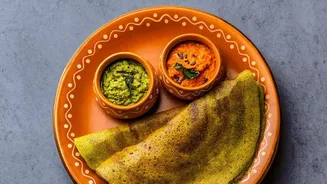
dal, the Pesarattu is crafted from a simple, unfermented paste of whole green moong dal, often soaked with a small amount of rice to enhance crispiness. This batter is spiced with fresh ginger, green chillies, and cumin seeds before being spread thinly on a hot griddle. The result is a vibrant green, protein-packed crepe that is naturally gluten-free, nutritious, and boasts a wonderfully earthy flavour. It’s lighter than a traditional dosa but has a satisfyingly crisp texture when cooked right.
The Comforting Core: Upma
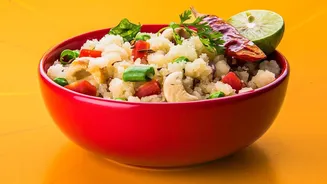
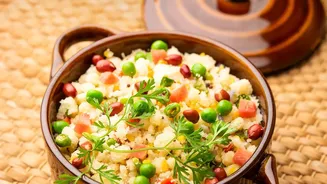
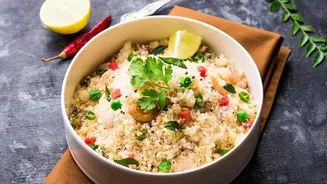
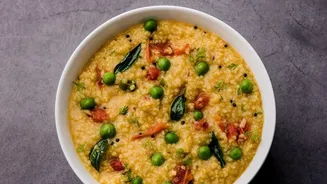
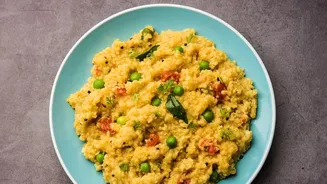
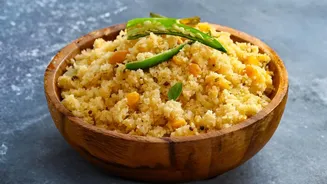
If the pesarattu provides the crisp structure, the upma provides the comforting, savory soul. Upma is a thick porridge made from dry-roasted semolina, or sooji. While upma is a standalone breakfast dish across South India, the version used for this combination is often kept simple to complement the crepe. The semolina is cooked with water and a tempering of mustard seeds, lentils, curry leaves, and ginger. Though some variations include onions or cashews, the traditional filling for Pesarattu Upma is deliberately minimalist, creating a soft, steaming-hot pillow of savoury goodness that contrasts beautifully with the outer layer. This simple upma elevates the entire dish from a mere snack to a substantial, fulfilling meal.
A Perfect Union of Textures
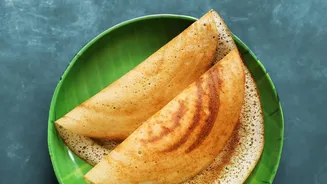
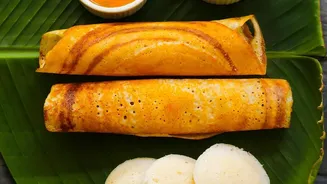
The magic of Pesarattu Upma lies in that first bite—the delightful crunch of the crepe giving way to the soft, almost fluffy upma inside. This textural interplay is the dish's defining feature and what makes it so memorable. The crepe is cooked until its edges are golden and brittle, often sprinkled with finely chopped raw onions and more green chillies that press into the batter as it cooks, adding another layer of flavour and texture. Once cooked, a generous spoonful of hot upma is placed in the centre before the crepe is folded over, encasing the warm filling. This combination, sometimes called MLA Pesarattu due to its purported popularity in the canteens of the Member of Legislative Assembly (MLA) headquarters in Hyderabad, is a breakfast of contrasts. It’s simultaneously crisp and soft, spicy and mild, complex and comforting.
How to Best Enjoy It
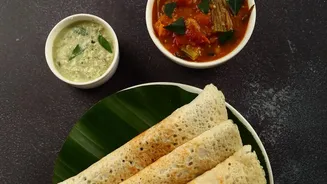
Pesarattu Upma is a quintessential breakfast or tiffin dish from Andhra Pradesh, celebrated for being both hearty and healthy. It is almost always served hot, straight from the tawa, to preserve the crispness of the crepe. While it is a complete meal on its own, the experience is elevated by the right accompaniments. The classic pairing is a fiery ginger chutney known as Allam Pachadi. The sharp, sweet, and spicy notes of the ginger chutney cut through the richness of the upma and complement the earthy flavour of the moong dal crepe perfectly. Coconut chutney is another popular side, offering a milder, creamier counterpoint. Together, the crepe, filling, and chutney create a symphony of flavours that is distinctly Andhra in its profile: bold, spicy, and utterly delicious.