






The ‘Use-By’ or ‘Expiry’ Date: A Safety Deadline
This is the most critical date to pay attention to, as it relates directly to food safety. According to the Food Safety and Standards Authority of India (FSSAI), the 'Use-By,' 'Recommended last consumption date,' or 'Expiry date' signifies the end of the period
under which the food is safe to consume. After this date, the product should not be sold or eaten, even if it looks and smells fine, as it could pose a health risk. You will typically find this on highly perishable items such as chilled meats, dairy products, ready-to-eat salads, and infant formula. For products like baby formula, the 'Use-By' date also ensures the product contains the precise amount of nutrients stated on the label. Treat this date as a strict final deadline.
The ‘Best-Before’ Date: A Mark of Quality
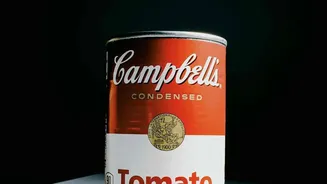
The 'Best-Before' date is all about quality, not safety. FSSAI regulations define this as the date up to which the food will retain its specific qualities, such as flavour, freshness, and texture, when stored properly. Food is often perfectly safe to eat after its 'Best-Before' date has passed. However, it might have lost some of its crispness, aroma, or nutritional value. This label is commonly found on foods with a longer shelf life, like biscuits, cereals, canned goods, and pasta. So, if your packet of chips is a week past its 'Best-Before' date, it might not be as crunchy, but it's unlikely to be harmful. Confusion between 'Best-Before' and 'Expiry' dates is a significant contributor to household food waste in India.
‘Date of Manufacture’ & ‘Packed-On’: The Freshness Clue
The 'Date of Manufacture' (Mfg. Date) or 'Date of Packaging' tells you when the food was made or packed into its container. This is a mandatory piece of information on pre-packaged foods in India. For products with a long shelf life where a specific day isn't critical, you might see just the month and year of manufacture. This date is useful for judging the freshness of a product. If you have a choice between two identical items, picking the one with the more recent manufacturing date ensures you're getting a fresher product. It provides a starting point from which the 'Best-Before' period is often calculated, for example, "Best before 12 months from manufacture."
Trust Your Senses: The Ultimate Food Safety Check
While date labels are helpful guides, they aren't foolproof. How you store food matters immensely. A carton of milk left out in the sun will spoil long before its 'Use-By' date. Conversely, many products stored correctly remain good long after their 'Best-Before' date. This is where your senses come in. Before throwing something away, inspect it. Does it look strange, with mould or discoloration? Does it smell off, sour, or rancid? Has the texture changed for the worse? If the product looks, smells, and feels fine, it is often safe to eat, especially with non-perishable items. Your own judgment is a powerful tool in the fight against food waste.
Smart Storage and Savvy Shopping
Maximising the life of your food goes beyond just reading dates. Proper storage is key. Keep your refrigerator at a consistent temperature, store dairy in the main compartment instead of the door, and ensure pantry items are in cool, dark, and dry places. Freezing is another excellent way to preserve food, especially items approaching their 'Use-By' date. When shopping, check the dates and only buy what you realistically need to avoid spoilage. By understanding these labels and adopting smarter habits, you not only ensure your family's safety but also save money and contribute to reducing the staggering amount of food wasted in the country each year.