

An Ingenious Solution to Waste
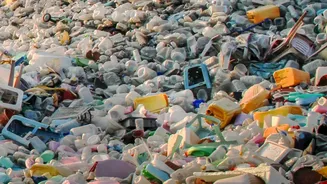
Every year, the world produces millions of tons of polyethylene terephthalate (PET) plastic waste from bottles and packaging, while agricultural processes leave behind vast amounts of non-edible plant material. A team of scientists at Southern Illinois
University (SIU) saw an opportunity in this dual waste stream. Supported by NASA's Deep Space Food Challenge, they asked a simple but profound question: since plastic and food are both based on carbon, could one be turned into the other? The result is a process that transforms these unwanted materials into a protein-rich, edible substance. The project, led by microbiologist Dr. Lahiru Jayakody, aims to create a closed-loop system where nothing is wasted—a concept critical for long-term survival far from Earth.
How Microbes Do the Hard Work
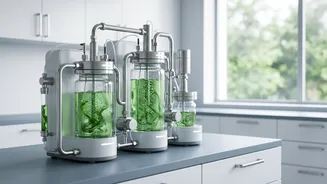
The transformation from trash to treat is not a simple one. First, the PET plastic and tough plant waste, like corn stalks, are broken down using a process called oxidative hydrothermal dissolution. This technique uses water and oxygen at high temperatures and pressures to decompose the materials into smaller, carbon-rich molecules that microbes can easily consume. Once broken down, specially engineered yeasts get to work. These microorganisms, including common baker's yeast, have been programmed to feed on the waste molecules and convert them into new, valuable compounds. Through this microbial conversion, the waste is reassembled into edible proteins and fats, forming the fundamental building blocks of food.
What Are 'Cookie Components'?
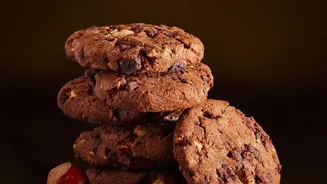
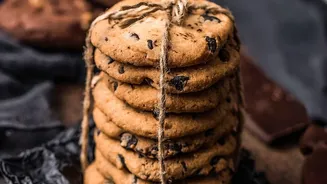
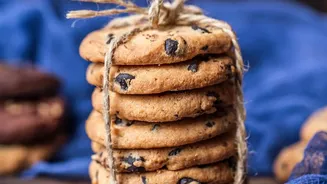
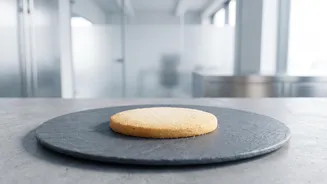
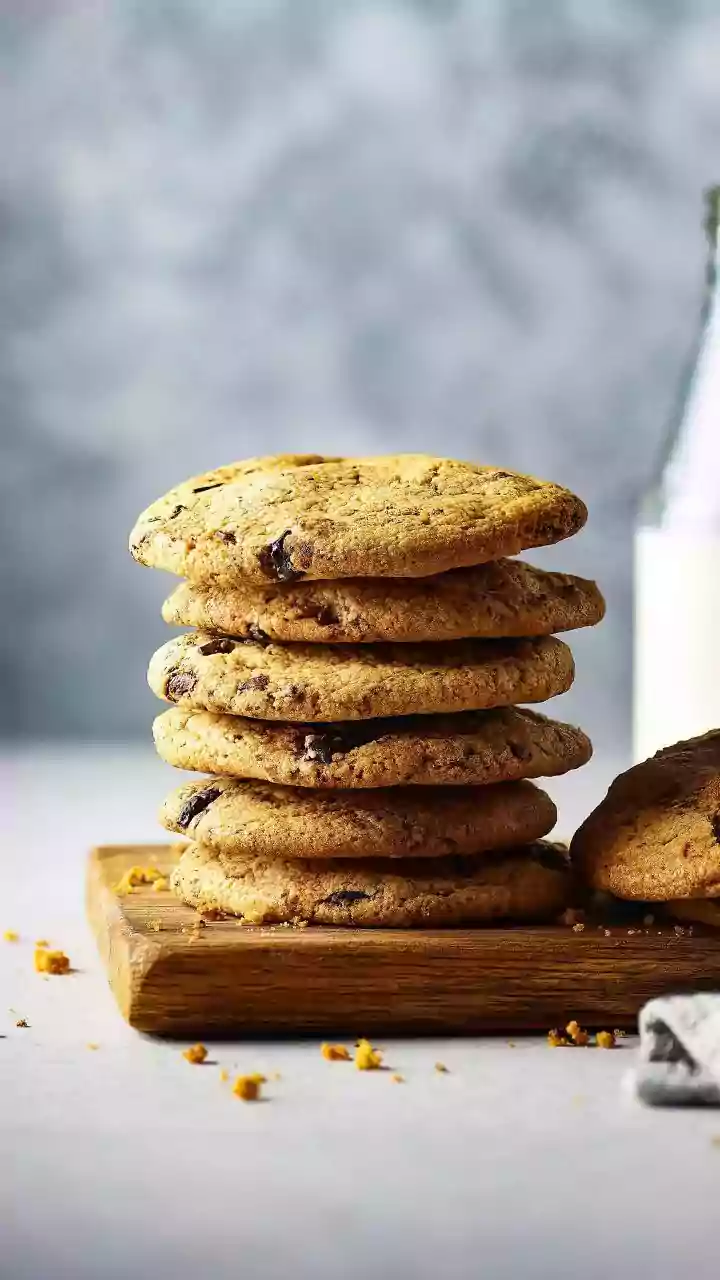
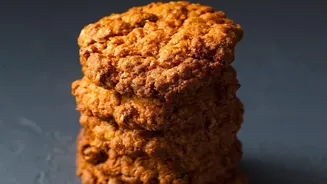
The end product is not a traditional cookie dough, but a nutrient-rich slurry. To make it more palatable, the researchers then mix this paste with fiber, starch, and sweeteners before using a 3D printer to extrude it into a cookie shape. The team has even engineered different yeast strains to produce flavorings and nutrients. One strain converts plant biomass into vanillin, the molecule responsible for vanilla flavor. Another can turn a byproduct of PET plastic into beta-carotene, a pigment that our bodies convert into Vitamin A. The resulting prototypes, nicknamed 'µBites' (Micro-Bites), are essentially concentrated nutritional bars created from recycled carbon.
The Deep Space Dining Connection
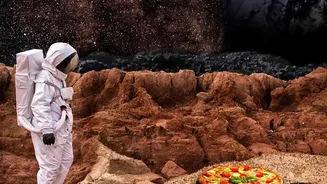
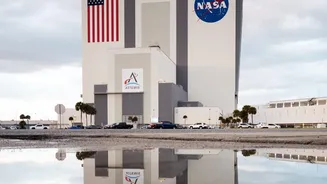
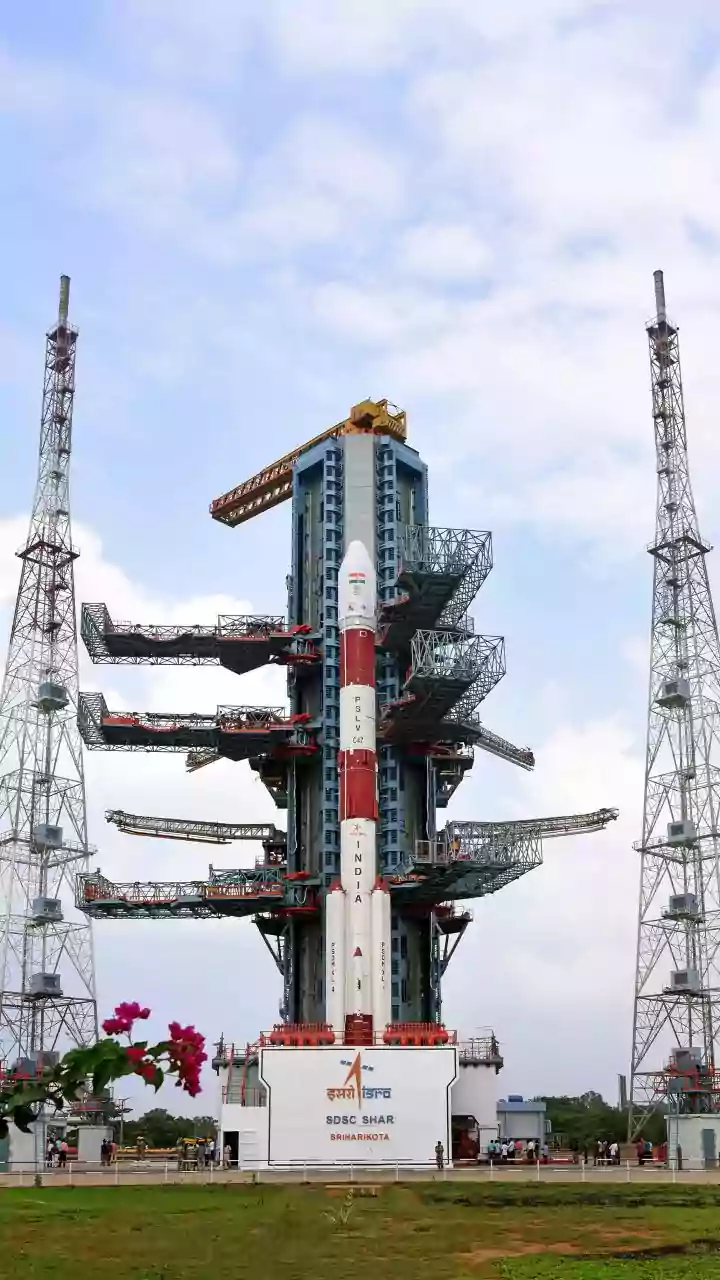
NASA's interest in this technology stems from a major logistical hurdle for future space exploration: how to feed astronauts on missions that could last for years. A round-trip journey to Mars, for instance, is estimated to take about three years, making resupply missions from Earth impractical. Astronauts will need to produce their own food with minimal resources and waste. This technology offers a potential solution by allowing a crew to upcycle its own plastic packaging and inedible plant parts (if they are also growing food) into fresh nutrients. It embodies the ultimate principle of resourcefulness required for survival in the harsh environment of deep space.
Future on Earth and Remaining Hurdles
Beyond the stars, this innovation holds promise for Earth. It could be deployed in disaster zones, military outposts, submarines, or other remote locations where food supply chains are disrupted. It also presents a novel approach to tackling the global plastic pollution crisis by turning a persistent environmental problem into a valuable resource. However, significant challenges remain. The current production cost is high, at around $60 per kilogram, though researchers expect this to decrease as the process is scaled up. Furthermore, while the product has reportedly passed safety tests and scored well on aroma, it has not yet been approved for human taste-testing. Overcoming the psychological barrier of eating food derived from plastic will be another critical step before µBites could ever reach a wider market.