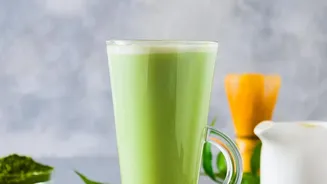


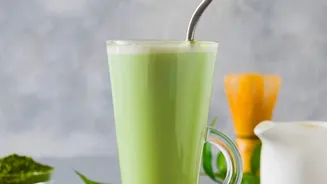
Walk into any trendy cafe in urban India, and you'll see it: a vibrant green latte sitting alongside the usual cappuccinos and masala chais. Matcha is suddenly everywhere, but why is this Japanese powdered green tea capturing Indian attention now?
More Than Just Green Tea
First,
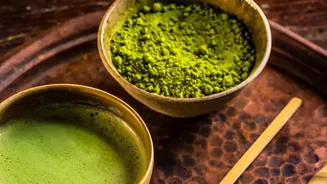
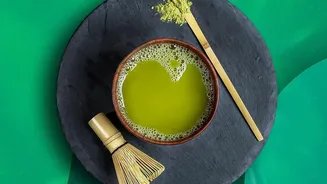
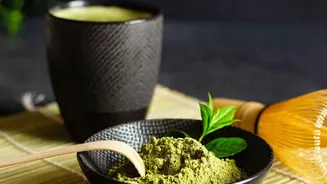
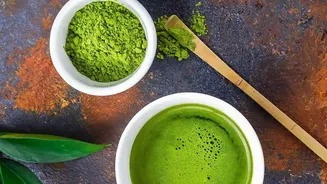
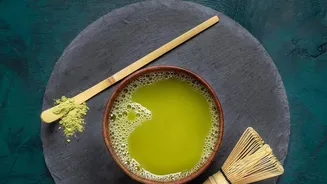
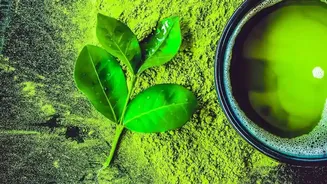
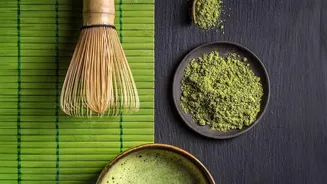
let's be clear: matcha isn't your average green tea. While both come from the same plant, Camellia sinensis, matcha is made from shade-grown tea leaves that are deveined, destemmed, and stone-ground into a fine powder. Unlike regular tea where you steep and discard the leaves, with matcha, you whisk the powder into liquid and consume the entire leaf. This method delivers a more concentrated dose of nutrients and a unique flavour profile that is often described as vegetal, earthy, and slightly sweet with an umami finish. Its preparation is a ritual, but its appeal in India is thoroughly modern.
The Modern Wellness Factor
A primary driver of matcha's rise is its reputation as a superfood. In a country with a growing focus on wellness, matcha's health claims are a powerful draw. It's packed with antioxidants, particularly catechins like EGCG, which are linked to boosting metabolism and supporting overall health. But its main selling point for many is the unique energy boost it provides. Matcha contains a significant amino acid called L-theanine, which, when combined with caffeine, creates a state of 'calm alertness'. This means you get sustained energy for three to six hours without the jitters or crash often associated with coffee, making it an attractive alternative for a productive afternoon.
A Feast for the Eyes and Feeds
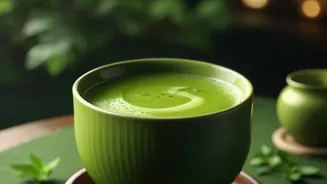
You can't ignore the aesthetics. Matcha's brilliant green colour is incredibly photogenic, making it a star on social media platforms. For younger consumers, the visual appeal is a huge part of its success; posting a picture of a matcha latte is as much a part of the experience as drinking it. This online visibility has created a cultural curiosity and a sense of being part of a global trend. The drink has become a lifestyle accessory, a symbol of modern, mindful living that resonates with urban millennials and Gen Z. Its influence has even spread to beauty and fashion, with matcha-inspired makeup, skincare, and clothing lines emerging.
The Cafe Culture Connection
India's third-wave coffee shops and trendy cafes have been instrumental in introducing matcha to a wider audience. Chains like Blue Tokai and Third Wave Coffee, which built their reputations on specialty coffee, began adding matcha lattes to their menus as a premium, non-coffee alternative. This move normalised the drink for an urban crowd willing to experiment and pay a premium for craft beverages. Cafes are also innovating, moving beyond the simple latte to create everything from matcha-infused desserts to fruity blends like mango and strawberry matcha, making the flavour more accessible.
From Niche to a Home Ritual
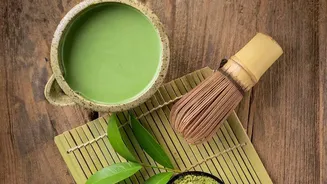
What started in cafes is now moving into Indian kitchens. Google search data reveals a massive spike in people looking up "how to make matcha" (a 1,300% increase over the past year) and searching for equipment like matcha whisks and bowls. This shift from public consumption to private ritual is a key indicator that matcha is becoming more than a passing fad. The market is responding, with a growing availability of matcha powder online and in stores. Though still a small part of India's massive tea market, the matcha category is growing at a remarkable pace of around 8-9% annually. India has even begun producing its own commercial batches of matcha in Assam, signalling a long-term commitment.