





The Fuel, The Fury, and The Advisory
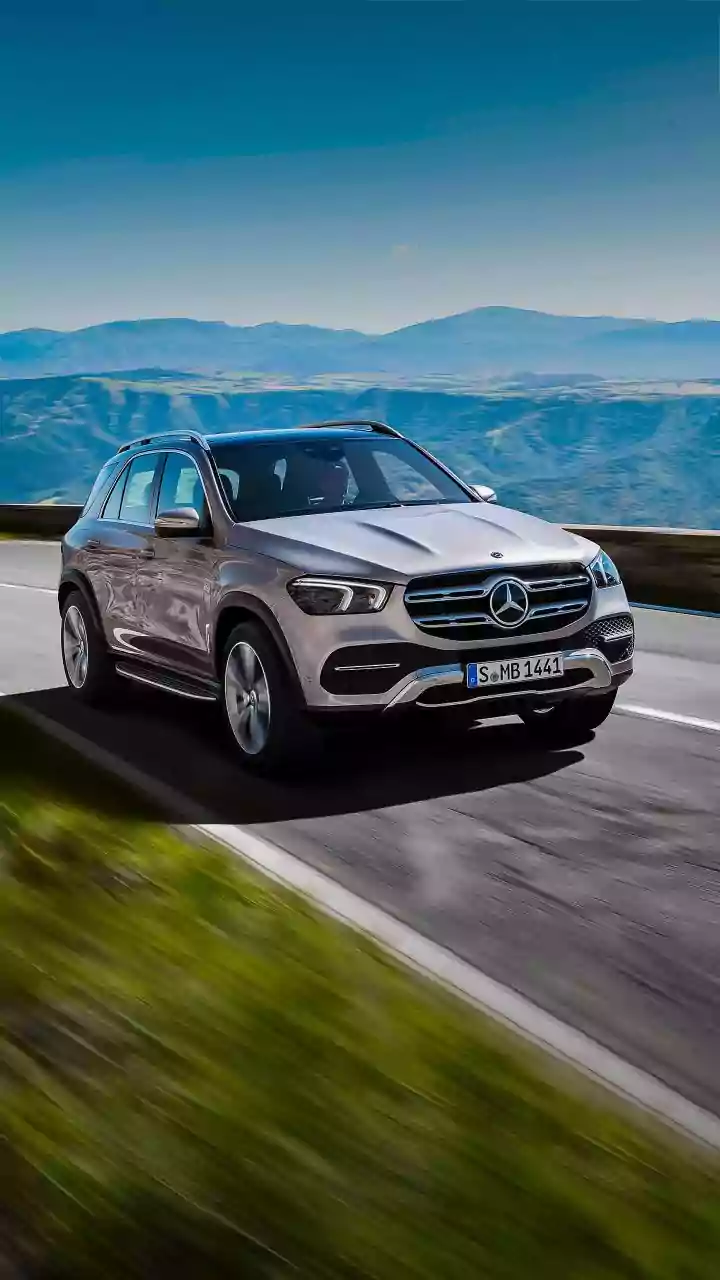
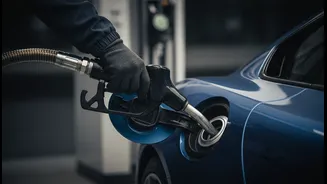
The conversation around E20 petrol—a blend of 80% petrol and 20% ethanol—has been simmering for months. But it recently boiled over when a popular YouTuber, Sourav Joshi, claimed the fuel efficiency of his Mercedes-Benz SUV plummeted from 17 kmpl to just
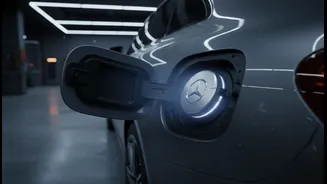
5 kmpl after using the new blend. His viral video, where he expressed fear of engine damage, tapped into a wellspring of public concern. In response, Mercedes-Benz India issued a customer advisory. While not naming the YouTuber, the timing and content made its purpose clear: to address the growing debate. The advisory stated that “All Mercedes-Benz petrol BS VI vehicles are materially compatible with E20 fuel and certified accordingly by relevant authorities.”
Decoding Owner Anxiety
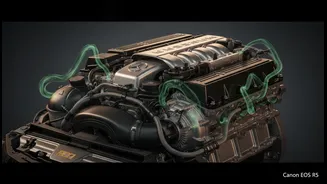
For the owner of a high-performance luxury vehicle, words like "materially compatible" can feel worryingly vague. The anxiety isn't just about a drop in mileage; it's about the long-term health of a very expensive engine. Ethanol is known to be more corrosive than petrol and can be tough on rubber and plastic components in the fuel systems of older cars not designed for it. It is also hygroscopic, meaning it absorbs moisture from the air, which can lead to water collecting in the fuel tank and potential corrosion. When a new fuel is introduced, owners of meticulously engineered German cars naturally worry if the blend will compromise the performance, reliability, and longevity they paid a premium for.
The Contradiction in the Details
While Mercedes-Benz's advisory aimed to reassure, it also created some confusion. Owners quickly pointed out that the owner's manuals for some earlier BS VI models—vehicles sold between 2020 and 2023—explicitly recommended fuel with no more than 10% ethanol (E10). This apparent contradiction fueled the online debate. The company's statement refers to all its BS VI vehicles, a standard Mercedes-Benz adopted as early as 2018, two years ahead of the mandate. However, E20 compatibility only became a widespread manufacturing standard around 2023. The key seems to be the difference between what's optimal (E10 for some older cars) and what's materially safe (E20, according to the new advisory). The company has clarified that a bulk of its cars sold since 2018 are indeed E20 compliant, but has not tested models sold before that date.
What Does This Mean for Mercedes Owners?
The official stance from Mercedes-Benz is that if you own a BS VI petrol model, it is certified to run on E20 fuel. However, a slight drop in fuel efficiency is an expected trade-off with ethanol-blended petrol, as ethanol contains less energy than pure petrol. The government and industry experts suggest a typical drop of around 3-5%, not the dramatic collapse some have claimed. An extreme drop in mileage is likely indicative of other factors, such as driving style, traffic conditions, or a separate vehicle issue that requires diagnosis. For owners of pre-2018 models, the picture is less clear. The company admits these cars might see a performance impact. The safest course of action for any owner with doubts is to consult their owner's manual and, if still concerned, contact an authorised Mercedes-Benz service centre for specific advice on their vehicle.