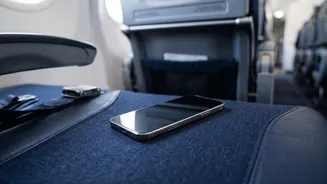





It’s a traveller’s nightmare: you’ve just stepped off the plane and realise your phone, wallet, or passport is still in the seat pocket. Your first instinct is to turn back, but you’re stopped. Here’s why you can't just walk back on.
The Core Reason: Security
The single biggest
reason you cannot re-enter an aircraft after deplaning is security. Once a passenger steps off the plane and into the terminal environment, they are considered to have left the secure 'bubble' of that specific flight. Flight attendants and airline staff have no way of knowing who or what you might have come into contact with, even in the few seconds you were on the jet bridge. To maintain the integrity of the aircraft's security, airlines enforce a strict no-re-entry policy. Allowing passengers back on would require a new security sweep, which is simply not feasible during a tight turnaround schedule. This isn't just an airline preference; it’s a fundamental security protocol that applies across the industry.
Operational Efficiency and Delays
Airlines operate on incredibly tight schedules, often referred to as 'turns'. During this short window between arrival and the next departure, crews are busy cleaning the cabin, restocking supplies, conducting safety checks, and preparing for the next group of passengers to board. A passenger attempting to go against the flow of deplaning traffic to retrieve an item would cause significant disruption and delays. Even if you wait for everyone else to get off, allowing one person back on introduces a variable that can have a domino effect, potentially delaying the next flight and causing other passengers to miss their connections. If a passenger who has disembarked needs to be removed from the flight manifest and their checked baggage offloaded, this can cause a delay of over an hour.
What About Connecting Flights?
If you're on a layover, you will almost always have to disembark. Sometimes the same aircraft will continue to your final destination, but passengers are typically required to deplane and re-board with everyone else. This allows the airline to clean the aircraft and manage passengers with different final destinations. On domestic connections, you usually stay within the secure 'airside' part of the terminal and simply walk to your next gate. However, on international journeys, you will often have to go through customs and immigration at your first point of entry before proceeding to your connecting flight, which will always require you to go through security again.
The 'Tarmac Delay' Exception
There is a specific scenario where you might be allowed to get off a plane before it has reached the gate: a lengthy tarmac delay. In the U.S., regulations state that for domestic flights, airlines must provide passengers with an opportunity to deplane if a tarmac delay exceeds three hours. For international flights, this is extended to four hours. However, this comes with a crucial warning: if you choose to get off, the airline is not required to let you back on. The flight could take off without you, and the airline is not obligated to offload your checked baggage before it departs.
What To Do If You Leave an Item Behind
So, what should you do if you realise you've left something on board? Act immediately. If you are still on the jet bridge and passengers are still deplaning, you have the best chance. Do not try to fight your way back against the crowd. Instead, get the attention of a flight attendant at the aircraft door. Tell them exactly what you left and your seat number. The crew are often willing to retrieve the item for you. Once you have entered the main terminal gate area, however, your chances of getting the item back immediately drop to nearly zero due to security rules. At that point, you will need to contact the airline's baggage service office or fill out a lost and found form on their website.