




A Mountain in Constant Flux
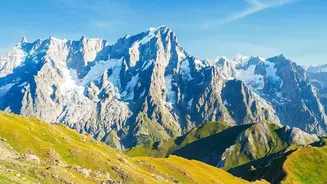
For a landmark that seems the very definition of permanent, Mont Blanc's summit is surprisingly dynamic. This latest measurement of 4,807.47 metres, announced by French geographical experts, is just one data point in a continuing story. To understand
its significance, we have to look at its recent history. In 2021, the mountain stood at 4,807.81 metres. Two years later, in a widely reported 2023 survey, it had shrunk to 4,805.59 metres—a loss of over two metres. This new figure for 2026 indicates the summit has regained some of that lost height, but still remains below its 2021 peak. This constant ebb and flow has less to do with geology and shifting tectonic plates and everything to do with the thick blanket of ice and snow that crowns the summit. The rock itself isn't growing or shrinking; its icy hat is.
The Tale of Two Summits
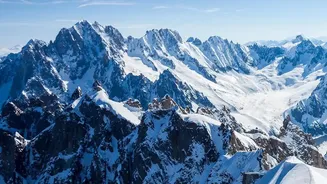
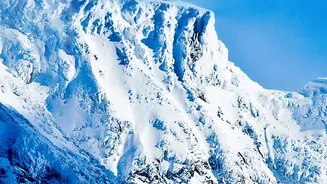
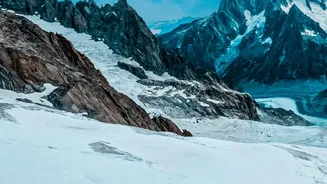
The key to understanding the fluctuating height lies in distinguishing between the mountain's permanent rock summit and its variable ice summit. The rock peak of Mont Blanc stands firm at 4,792 metres above sea level. Above that sits a thick cap of 'eternal snow' and ice, which can change in depth by several metres. It is the top of this ice cap that surveyors measure every two years to determine the official 'height'. Think of it like a person's height changing depending on the type of hat they are wearing. The person underneath remains the same, but the overall height varies. A team of about twenty experts makes the arduous climb every other September to conduct a series of precise measurements using GPS technology, creating a model of the ice cap and its highest point.
An Icy Balancing Act
So, what makes this icy crown grow and shrink? The answer is a simple, yet delicate, balance of weather. The height of the ice cap is determined by two main factors: the amount of snowfall during the winter and spring, which adds mass, and the extent of melting during the summer. The lower measurement in 2023, for example, was attributed by scientists to a precipitation deficit during the preceding summer. When there's less summer accumulation, the existing snowpack is more exposed to melt. Conversely, a year with heavy winter snows and a cooler, less windy summer could result in a thicker ice cap and a higher official measurement. The new 4,807.47-metre figure suggests that weather conditions in the Alps between 2023 and now have been more favourable for snow accumulation than in the period leading up to the 2023 survey.
A Bellwether for a Warming World
While short-term fluctuations are driven by annual weather patterns, glaciologists and climate scientists are watching the long-term trend with keen interest. The shrinking of glaciers across the Alps is one of the most visible consequences of climate change. Since regular measurements began, Mont Blanc's summit has seen significant changes. The highest-ever recorded summit was in 2007, at nearly 4,811 metres. The general trend over the past two decades, despite occasional gains like this year's, points towards a gradual decrease. Scientists are cautious about attributing any single measurement to climate change directly, as weather variability plays such a strong role. However, they use this biennial data to understand the health of the high-altitude cryosphere. The fate of Mont Blanc's ice cap is a powerful, high-profile indicator of the broader health of Alpine glaciers in a warming world.