


Penetrating vs. Sealing Oils
Not all oils are created equal. Their effectiveness depends on their molecular structure. Some oils, known as penetrating oils, have smaller molecules that can get inside the hair shaft to nourish and strengthen it from within. Others are sealing oils;
their larger molecules coat the outside of the hair, locking in moisture and creating shine. Marketing often blurs this distinction, but understanding it is key to choosing the right oil for your needs. Penetrating oils are best for deep conditioning, while sealing oils are ideal for controlling frizz and adding a glossy finish.
The Deep Conditioner: Coconut Oil
When it comes to scientific backing, coconut oil is a standout. Multiple studies have shown its unique ability to penetrate the hair shaft. Its main fatty acid, lauric acid, has a small, linear structure that allows it to bind to hair proteins, significantly reducing protein loss from washing and styling damage. This makes hair stronger and less prone to breakage. While marketing might hint at growth, the real, proven benefit of coconut oil is its power to protect and preserve the hair you already have, making it an excellent pre-wash treatment or conditioner for damaged hair.
The Surface Shiners: Argan and Jojoba Oils
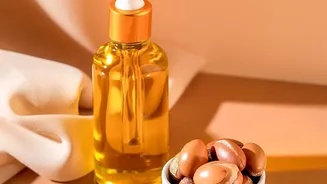
Argan oil, often called 'liquid gold', is rich in antioxidants and fatty acids that lubricate the hair shaft, helping it maintain moisture, reduce frizz, and boost shine. While some studies suggest it can improve hair elasticity and protect against styling damage, its primary role is as a fantastic finishing and sealing oil. Jojoba oil is unique because its structure is remarkably similar to the natural sebum produced by our scalps. This makes it an excellent moisturiser that can coat the hair, add shine, and reduce frizz without feeling overly greasy. It's a great sealing oil, but there is little scientific evidence to support claims of hair growth.
The Scalp Stimulator: Rosemary Oil
Rosemary oil has gained significant attention for its potential to aid hair growth, and for good reason. A notable 2015 clinical trial compared rosemary oil to 2% minoxidil, a common hair loss treatment. After six months, both groups showed a significant increase in hair count, with no statistical difference between them. The rosemary oil group also reported less scalp itching. While this is promising, it's important to note this is a single, small study that has not been replicated, and it was tested against a lower-strength minoxidil formula. Still, for those interested in a natural option for scalp health, the evidence for rosemary oil is among the most compelling.
The Thickener Myth: Castor Oil
Castor oil is perhaps the most mythologized of all hair oils, widely promoted online as a miracle for rapid hair growth and thickening. The science, however, does not support these claims. There are no robust clinical studies showing castor oil can increase hair growth rate or thickness. Its primary benefit comes from its thick, viscous nature. As a heavy sealing oil, it's excellent at coating the hair shaft, which locks in moisture and can make hair appear thicker and glossier. It can also help reduce breakage. So, while castor oil is a good conditioner and can improve the look of your hair, claims that it stimulates follicles to grow more hair are purely anecdotal.