






Why The Rainy Season Increases Food Risks
The connection between monsoon and stomach bugs isn't a coincidence. High humidity accelerates the growth of bacteria and mould, causing food to spoil much faster. Water sources face a higher risk of contamination from overflowing drains and rainwater
runoff. This can affect everything from the water used to wash vegetables to the ice in your drink. Common illnesses that spike during this season include food poisoning, gastroenteritis, typhoid, and cholera, often linked to contaminated food and water. Your digestive system can also become more sensitive, making clean and hygienic food choices more important than ever.
Handling Leafy Greens and Raw Vegetables
Leafy green vegetables like spinach and cabbage, while nutritious, pose a higher risk during the monsoon. Growing close to damp soil, their folds can trap dirt, germs, and parasites that are hard to wash away. It is best to avoid consuming raw vegetables and salads during this season. If you do eat them, ensure they are washed thoroughly. Soaking vegetables in a solution of salt water or a vinegar-water mix for a few minutes can help reduce microbial contamination. Always opt to steam or cook your vegetables well to kill any lingering pathogens before consumption.
Navigating The Temptation of Street Food
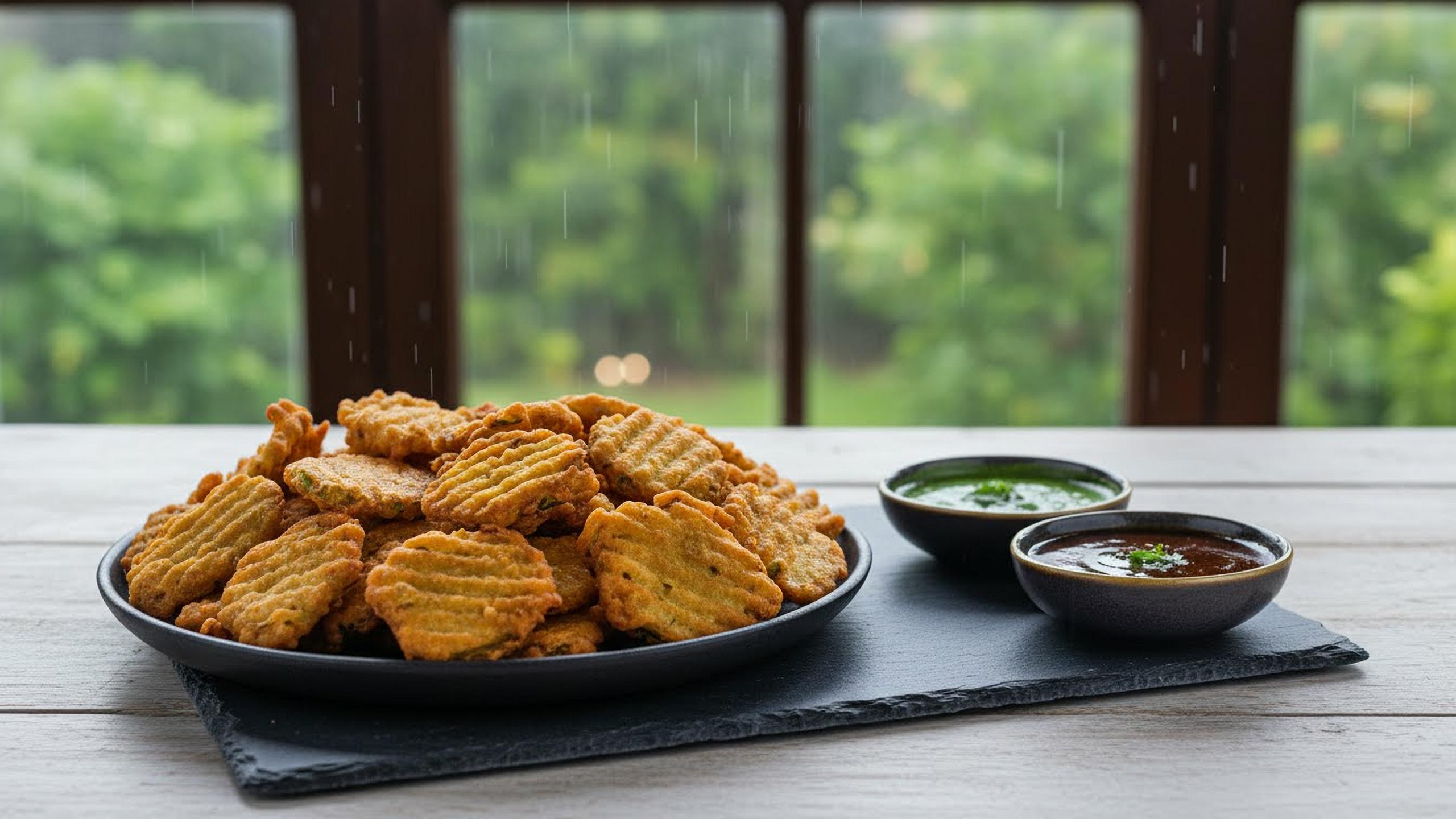
The craving for hot pakoras or a plate of chaat is almost universal when it rains. However, street food is a major source of monsoon infections. Stalls are often exposed to flies and contaminated water, especially for items like pani puri, pre-cut fruit salads, and various chutneys. If you must indulge, choose vendors who maintain high standards of hygiene. Opt for foods that are prepared fresh and served piping hot, such as roasted corn (bhutta), hot tea, or freshly fried snacks, as high temperatures kill bacteria. Avoid anything that has been sitting out or involves unboiled water.
Making Safe Choices with Meat and Seafood
The monsoon is the breeding season for many types of fish and prawns, which means the freshness and quality of seafood can be compromised. High humidity also speeds up spoilage for all types of meat and seafood, increasing the risk of stomach infections. It is generally advisable to limit seafood consumption during this period. If you do eat meat or fish, ensure it is sourced from a reliable vendor and is as fresh as possible. Cook all meat and seafood thoroughly to eliminate any harmful bacteria or parasites.
Foods That Boost Your Immunity Naturally
Beyond just avoiding risky foods, you can strengthen your body's defenses by eating for immunity. Incorporate ingredients with natural anti-inflammatory and antimicrobial properties into your daily meals. Ginger, garlic, and turmeric are excellent for this. Citrus fruits like oranges and lemons, along with amla (Indian gooseberry), are packed with Vitamin C, which helps the body fight infections. Probiotic-rich foods like yogurt (curd) and buttermilk support gut health, which is closely linked to a strong immune system. Warm, freshly cooked meals like soups and khichdi are not only comforting but also easier to digest.
The Critical Role of Water and Hydration
Waterborne diseases are one of the biggest threats during the monsoon. Water quality can deteriorate significantly, so it is crucial to ensure the water you drink and cook with is safe. Always drink boiled, filtered, or purified water. Avoid drinking juices, nimbu pani, or any beverages from street vendors, as the water quality and the ice used are often questionable. At home, make sure your water filter is serviced and functioning correctly. Staying hydrated is important, but prioritise safety above all else.