





What's New in the V5 Kit?
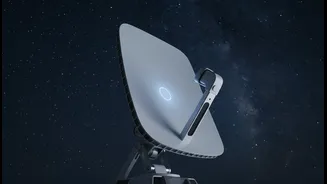
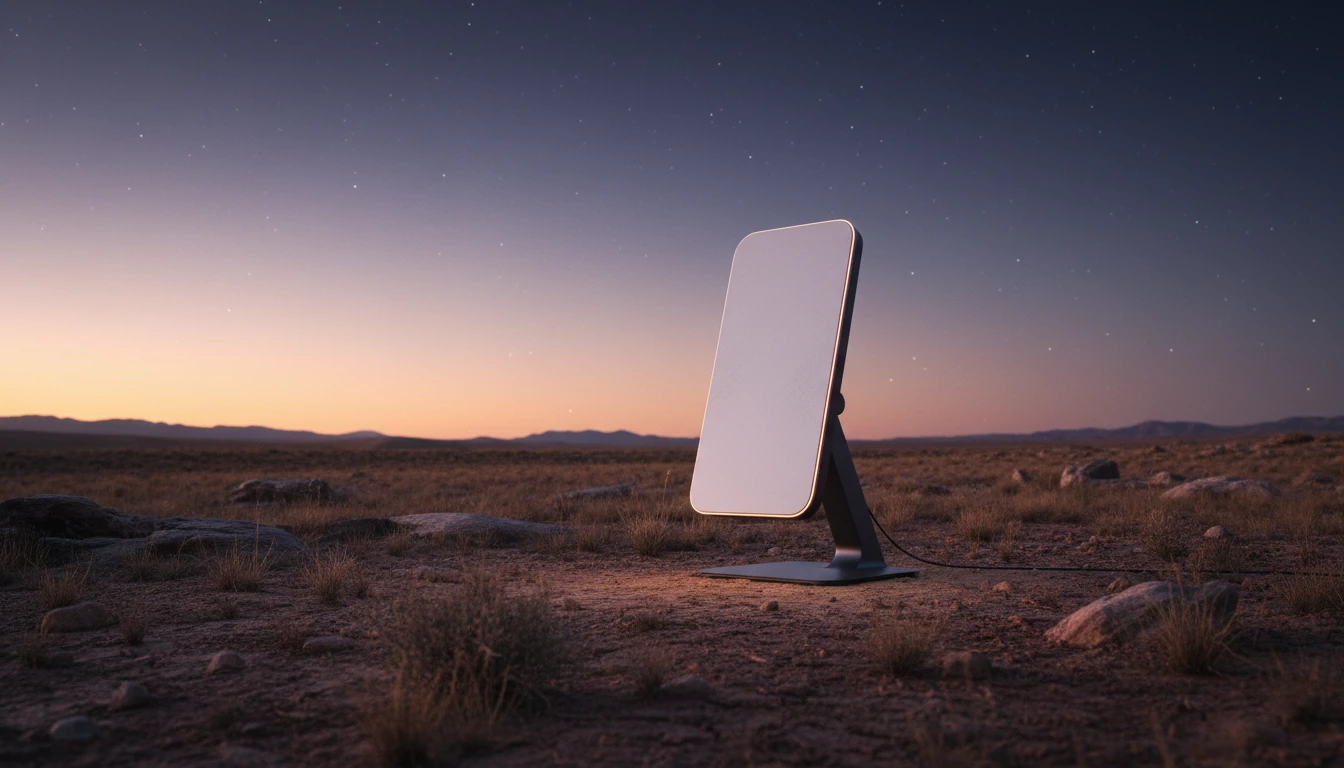
SpaceX's latest update to its Starlink hardware, dubbed the V5, is all about efficiency and convenience. The star of the show is a new, more compact satellite dish. It measures just 12.05 by 15.12 inches and weighs a mere 1.1 kg (2.4 lbs). For comparison,
the previous V4 model was significantly wider and heavier at 2.9 kg (6.4 lbs). This drastic reduction in size and weight makes the V5 kit much easier to handle and install. The kit also includes the new Router Mini, a compact Wi-Fi 6 router, and a pipe adapter right in the box, simplifying the setup process for rooftop installations.
Smaller Size, Maintained Performance
The key question for any hardware refresh is whether performance takes a hit. With the V5, the answer is a reassuring no, with a minor caveat. Starlink rates the V5's peak download speed at 375+ Mbps, a slight dip from the V4's theoretical 400+ Mbps. However, for the vast majority of users, this difference is unlikely to be noticeable in real-world use, where speeds are more dependent on network congestion and satellite location. What users will certainly notice is the massive improvement in power efficiency. The V5's average power consumption is 35 to 50 watts, nearly half that of the V4's 75 to 100 watts. This makes it a far more practical solution for off-grid homes relying on solar or battery power.
The Practical Benefits of Less Bulk
A smaller and lighter dish isn't just an aesthetic upgrade; it has significant practical advantages. The reduced weight makes it far less intimidating for a single person to install, whether on a roof or a pole. It also means lower shipping costs for SpaceX, savings that could potentially be passed on to customers or fuel faster global expansion. Another key improvement is wind resistance. Despite being lighter, the new V5 dish is rated to withstand winds of over 165 kph (99+ mph), a substantial increase from the V4's 96 kph rating, making it more resilient in severe weather. The V5 kit is bundled with the Router Mini, which supports Wi-Fi 6 and can connect up to 235 devices, covering an area of up to 2,200 square feet.
Implications for the Indian Market
While Starlink's V5 hardware is initially rolling out in select areas of the United States, this development holds particular significance for its potential launch in India. As of mid-2026, Starlink's commercial debut in India remains on hold pending security clearances and regulatory approvals from the government. A key hurdle has been discussions around spectrum pricing and national security considerations. However, the introduction of a more compact, lighter, and power-efficient kit could be a game-changer. This streamlined hardware would simplify logistics across India's diverse geography and make the service more accessible and affordable in a price-sensitive market. Easier installation and lower power requirements are major assets when trying to connect remote and rural areas, aligning perfectly with the goal of bridging the digital divide.