



The Art of the Block
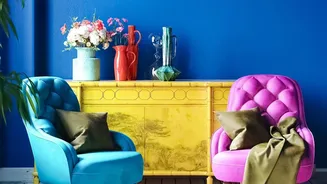
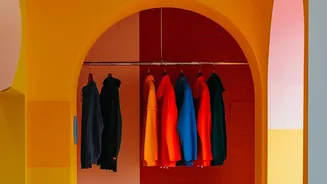
At its core, colour-blocking is the technique of using two or more solid blocks of colour, often in contrasting or complementary shades, to create a striking visual statement. Originating in fashion and influenced by art movements like De Stijl, this
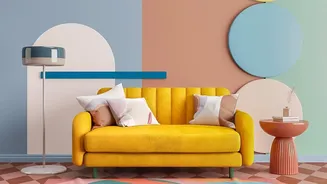
approach treats colour as a structural element, not just decoration. In home decor, this translates to using large, defined fields of colour on walls, in furniture, or through art to organize a space and guide the eye. Instead of a busy pattern, the colour itself becomes the feature, turning a simple wall into a deliberate composition. This can be as simple as painting a large geometric shape on a wall or as curated as arranging furniture and art in distinct, solid-hued groups.
Choosing Your Perfect Palette
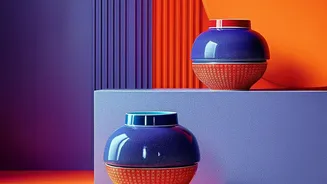
The success of colour-blocking lies in a well-considered palette. A great place to start is the colour wheel. For high contrast and energy, choose complementary colours, which sit opposite each other, like blue and orange or yellow and purple. For a more harmonious and subtle look, an analogous palette uses colours that are next to each other on the wheel, such as different shades of blue and green. A monochromatic scheme, using various tones of a single colour, can also create a sophisticated and engaging effect. Don’t feel limited to only bright, bold hues. Balancing vibrant shades with neutrals like white, grey, or black can ground the look and make the chosen colours pop even more. A popular rule of thumb is the 60-30-10 rule: 60% a dominant colour, 30% a secondary shade, and 10% for an accent.
Shape, Scale, and Balance
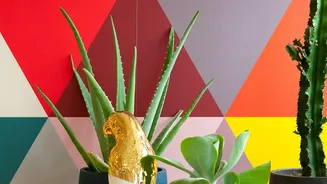
Beyond colour, the shapes and scale of your blocks play a crucial role in achieving balance. Geometric shapes like squares, rectangles, circles, and triangles bring a sense of order and modernity. Squares and rectangles convey stability, while circles and ovals can soften a room and create a sense of unity. The key is to create visual interest without making the space feel too busy. A few large, intentionally placed shapes will carry more weight than many small, scattered ones. You can use colour-blocking to create a focal point, such as painting a large circle behind a sofa or a series of vertical panels to make a ceiling feel higher. The goal is to balance these bold geometric forms with the rest of your room's decor, ensuring the final look feels confident, not chaotic.
DIY Wall Art vs. Buying Pieces
There are two main routes to bring colour-blocked art into your home: creating it yourself or purchasing finished pieces. A DIY approach is an affordable and personal way to transform a wall. All you need is painter's tape, a few paint colours, and a clear design. You can paint geometric patterns, create a two-tone half-wall effect, or even paint a shape that frames a piece of furniture. For those less inclined to paint, there is a wealth of options available to buy. From large canvases to curated print pairings, purchasing art allows you to instantly introduce a professionally finished look. When buying, pull one or two colours from existing elements in your room, like a rug or cushion, to ensure the new art feels connected to the space.
Beyond the Living Room
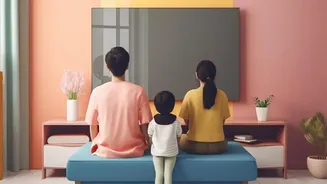
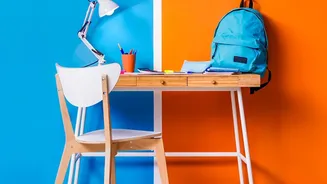
While accent walls in living rooms are a popular choice, colour-blocking can energise almost any area of your home. In a bedroom, a colour-blocked headboard painted directly onto the wall can create a stunning and space-saving feature. For a home office, a block of inspiring colour can define the workspace and boost creativity. Hallways, often neglected, can be transformed with dynamic vertical or horizontal blocks that guide you through the space. Even built-in shelves get a designer touch with colour-blocked back panels. The technique is also perfect for children's rooms, where you can use it to separate shared spaces or simply add a playful, modern vibe.