








A Sobering New Forecast
The warning shot comes from the University of Miami's Rosenstiel School of Marine, Atmospheric, and Earth Science. Projections now indicate a 35% to 40% probability that a single month in early 2027 will breach the 2°C warming threshold. This isn't a permanent
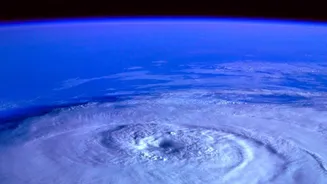
state, but a temporary, month-long spike. Yet, its arrival so soon is a stark indicator of accelerating climate change. Ben Kirtman, dean of the school, described the probability as "really large." The forecast is driven by the combined force of a powerful El Niño event, which releases ocean heat into the atmosphere, and the relentless underlying trend of human-caused global warming. While the Paris Agreement aims to keep long-term warming well below 2°C, these short-term breaches are flashing red lights on the planet's dashboard, signaling we are entering a new, more volatile climate era.
Why 2 Degrees Is Not Just a Number
It is easy to dismiss a two-degree change as insignificant—the difference between needing a light jacket and not. But on a global scale, it represents a colossal injection of energy into the Earth's systems. A 2°C world, even for a month, is one where extreme events become more common and severe. This temperature is a widely recognized benchmark beyond which the risk of triggering irreversible "tipping points" escalates dramatically. These tipping points could involve the rapid melting of the Greenland and West Antarctic ice sheets, the die-off of the Amazon rainforest, or the collapse of vital ocean currents. Crossing these thresholds, even temporarily, could initiate feedback loops that make further warming unstoppable, pushing the planet towards a permanent "hothouse" state.
India on the Climate Frontline
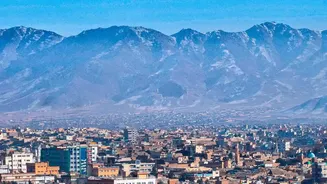
For India, a 2°C spike is not a distant problem; it's an imminent threat to lives and livelihoods. The country is already acutely vulnerable to climate hazards, with over 80% of its land and 90% of its population exposed. A warmer world directly translates to more erratic and intense monsoons, threatening both devastating floods and crop-killing droughts. The heat will become more dangerous. Studies already project that under 2°C of warming, periods of "uncompensable heat stress"—when the human body cannot cool itself down—will surge during the monsoon season, affecting vast, densely populated regions. India's cities, particularly inland ones in the north, are set to experience amplified warming, becoming significantly hotter than their rural surroundings. This could turn already brutal heatwaves, like those that have repeatedly scorched the country in recent years, into catastrophic public health crises.
The Economic and Environmental Cost
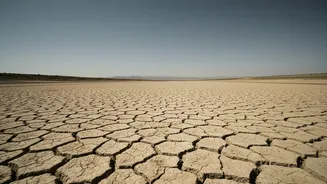
The economic consequences are just as dire. With 2°C of warming, India's annual cost for climate adaptation could soar, potentially exceeding $200 billion. Heat stress impacts worker productivity, especially in crucial sectors like agriculture and construction, with billions of potential labour hours lost. Water security, already a pressing issue, will be further jeopardized. Accelerated melting of Himalayan glaciers, the source of India's great rivers, threatens the water supply for hundreds of millions of people. At the same time, rising sea levels pose an existential threat to coastal megacities like Mumbai, Kolkata, and Chennai. The scientific warning of a 2°C month is a clear signal that the financial and social costs of inaction are mounting with each passing day.