





Ladakh's Lifeline and Its Limits
For years, Kushok Bakula Rimpochee Airport in Leh has been the primary aerial gateway to Ladakh. Situated at over 10,600 feet, it is one of the highest commercial airports in the world, serving as a critical lifeline for locals and the backbone of the region's
burgeoning tourism industry. However, this single point of access faces significant challenges. The airport's operational window is often restricted to the mornings due to strong afternoon winds, and harsh winter weather can lead to frequent flight disruptions. With tourism growing, the airport is already handling nearly its maximum capacity of passengers, creating congestion and underscoring the urgent need for an alternative to ensure reliable, all-year connectivity.
Enter Thoise: A Strategic Outpost
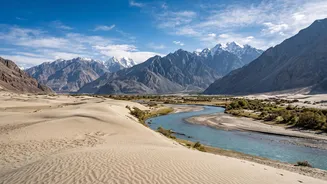
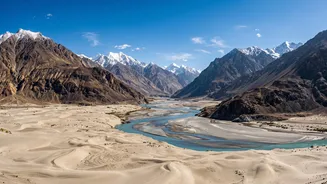
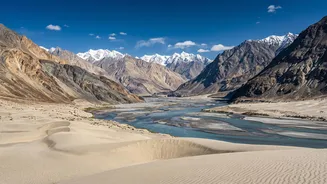
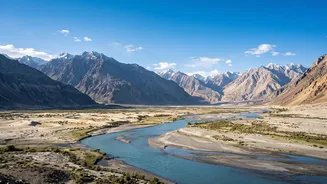
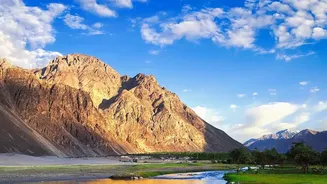
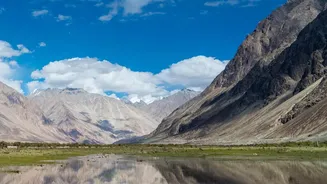
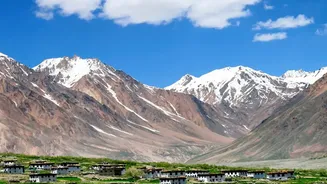
Located in the picturesque Nubra Valley, around 160 km from Leh, is the Thoise airbase. Primarily a military airfield, Thoise is of immense strategic importance, facilitating the movement of troops and supplies to critical areas like the Siachen Glacier and the Line of Actual Control (LAC) with China. Its location in a different valley from Leh provides vital operational depth. For decades, its runway has been used almost exclusively by the Indian Air Force. However, recent developments indicate a shift towards a dual-use future, leveraging this strategic asset to address civilian needs.
A Vision for Dual-Use Operations
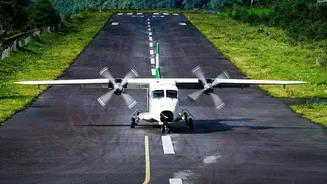
Authorities are now actively working to open Thoise for commercial passenger flights, with a target of December 2026 for the first services. At a recent high-level meeting, the Indian Air Force approved the allotment of five acres of land for a new civil terminal. In the interim, the plan is to refurbish an existing terminal to kickstart operations sooner. This initiative, potentially under the regional connectivity scheme UDAN, aims to do more than just add another airport; it seeks to fundamentally complement Leh's air access. It would provide a crucial alternative during weather disruptions at Leh and distribute the tourist load more evenly across Ladakh.
A Boon for Tourism and Local Economy
The opening of Thoise is expected to be a game-changer for the region. Tourists would be able to fly directly into the Nubra Valley, famous for its sand dunes, double-humped Bactrian camels, and ancient monasteries. This would cut down the long road journey from Leh over the high-altitude Khardung La pass, making stunning destinations like Hunder, Diskit, and the border village of Turtuk more accessible. For local residents, especially during the harsh winters when roads are often blocked, civilian flights would mean a reliable connection to the rest of the country for essentials, medical emergencies, and economic opportunities. This boost in accessibility is expected to fuel local economies and create new livelihoods.
Navigating the Hurdles Ahead
While the vision is promising, several challenges must be addressed. The first step involves significant infrastructure upgrades, including the ongoing recarpeting of the runway and building a terminal with check-in counters, security, and baggage handling facilities. Operating civilian flights from an active military airbase also requires navigating complex security and regulatory protocols. Furthermore, airlines must see commercial viability in operating flights to this remote, high-altitude airfield, a hurdle that has stalled previous attempts under the UDAN scheme. Balancing development with the fragile ecology of the Nubra Valley will also be a critical consideration as visitor numbers increase.