
More Than Just Stacking Rocks
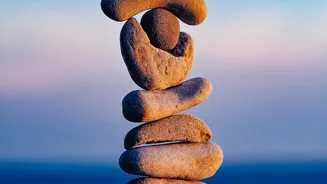
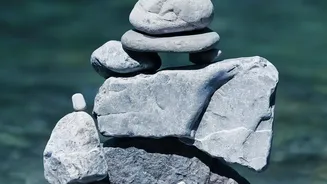
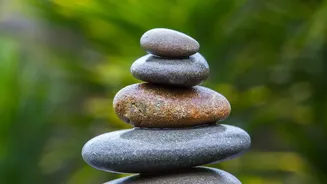
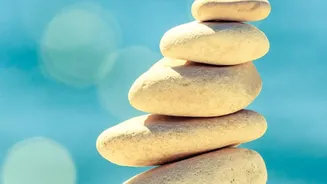
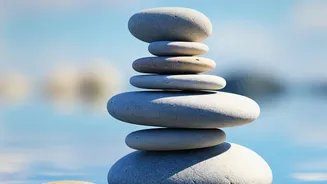
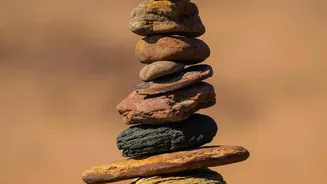
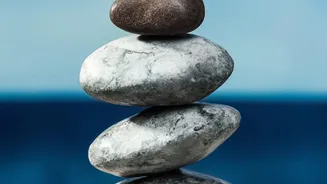
Stone balancing, also known as rock stacking, is an ancient practice with roots in various cultures, from trail markers to spiritual offerings. In its modern form, it is an art and a discipline where stones are balanced on top of one another without any
adhesives or supports. The goal is to find the natural point of equilibrium for each rock, creating structures that can seem physically impossible. While the striking visual of a perfectly balanced tower is impressive, the true essence of the activity lies not in the final product but in the process. It is a practice that demands complete presence, transforming a simple pastime into a meditative experience that engages the mind and body.
A Dance with Gravity and Touch
The physical challenge of stone balancing is a delicate dance with physics. Each stone has a unique shape, weight, and texture. To create a stable stack, one must develop a keen sense of touch and an intuitive understanding of gravity. Practitioners often describe the process as a form of listening through their fingertips. It involves finding tiny, almost invisible indentations on a stone’s surface that can serve as a 'tripod' to hold the next rock. This requires immense hand-eye coordination and fine motor control, as even the slightest tremor can bring the structure tumbling down. The process is one of constant trial and error, making minute adjustments until the stones settle into a state of stillness.
The Undeniable Role of Patience
Here is where patience enters as the critical component. Without it, the inherent frustration of repeated failures would make the activity impossible. Every collapsed tower is not a failure but a lesson in persistence. Patience allows the balancer to slow down, quiet the mind, and focus entirely on the sensation of the rocks. It’s the quality that turns a struggle against gravity into a dialogue with it. This deliberate slowness is an antidote to our fast-paced world, which often prioritizes instant results. In stone balancing, there are no shortcuts; the balance either is or is not there. This requirement for patience cultivates resilience and perseverance, teaching that success often comes from calmly trying again.
From Intense Focus to a Quiet Mind
The intense concentration required for stone balancing is a powerful gateway to mindfulness. To succeed, you must clear your mind of distractions and be fully present in the moment. Practitioners often describe entering a meditative or 'flow' state where the sense of self fades, and all that exists is the connection between them and the stones. This state of deep focus, often called 'finding a zero point' within yourself, is essential for sensing the minute clicks and shifts as the stones find their alignment. It is this mental quietude that allows for the intuitive feeling of balance. The activity becomes a form of active meditation, calming the mind and reducing stress.
A Metaphor for Life's Balancing Act
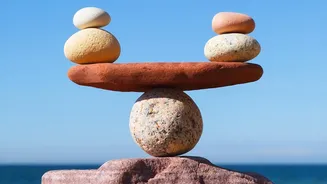
Ultimately, stone balancing serves as a potent metaphor for navigating life itself. Each stone can represent a different aspect of our lives—work, relationships, health, and personal growth. The act of carefully finding equilibrium among them reflects our own daily struggle to maintain balance amidst chaos and pressure. The practice teaches that balance is not a permanent state to be achieved, but a continuous act of adjustment. The imperfections in the rocks are often what make the balance possible, a poignant reminder that our own flaws can become sources of strength and beauty. The impermanent nature of the sculptures, which can be toppled by a gust of wind, teaches a valuable lesson in letting go and embracing the transient nature of things.