






Milk Quality and Composition
The journey of paneer begins with milk, and this is the first point of divergence. At home, you typically use fresh, full-cream milk, often from a local dairy. This results in a softer, creamier paneer with a richer flavour. In contrast, commercial manufacturers
often use standardized or reconstituted milk to ensure uniformity across millions of packets. This can involve using skim milk powder, cream, or a blend of buffalo and cow's milk to achieve a specific fat and protein ratio. While buffalo milk yields a firmer paneer, cow's milk results in a softer one. Some large-scale producers may even use UHT (ultra-high temperature) milk or milk powder, which can alter the final taste and texture from the start.
The Science of Coagulation
How the milk is curdled dramatically impacts the final product. A home cook uses a gentle, natural acid like lemon juice or vinegar. This process is often slow, allowing soft curds to form. Commercial production, however, prioritizes speed and yield. Food-grade acids like citric acid and firming agents like calcium chloride are common. This industrial method is highly controlled to achieve a specific pH level for maximum curd precipitation, which results in a more consistent but often less delicate product.
Texture, Density, and Moisture
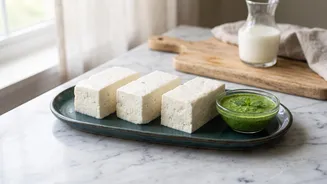
The single most noticeable difference is texture. Homemade paneer is often soft, moist, and even crumbly because it’s pressed gently for a shorter duration, retaining more whey and moisture. Packaged paneer is almost always firmer and denser. This is intentional. Manufacturers use heavy, often pneumatic or hydraulic, presses to squeeze out as much moisture as possible. Lower moisture content extends shelf life and makes the paneer easier to cut into perfect, durable cubes that won't crumble during transport. This heavy pressing is what contributes to the characteristic rubbery or chewy texture that many people notice.
Additives and Preservatives
To ensure a long shelf life, packaged paneer often contains ingredients you wouldn’t find in your kitchen. Besides the coagulants, you might see preservatives like potassium sorbate, or stabilizers like guar gum and xanthan gum. These additives help maintain texture and prevent spoilage, but they can also affect the flavour and mouthfeel. Some brands may also add starch to improve texture or salt to enhance flavour. Homemade paneer, on the other hand, contains just two ingredients: milk and an acid. This purity is one of its greatest advantages.
The Nutritional Divide
While both are excellent sources of protein and calcium, their nutritional profiles can differ. Homemade paneer made from full-fat milk is naturally higher in healthy milk fats. Packaged paneer can be made from various types of milk, including low-fat versions, which would alter the calorie and fat content. A 100g serving of full-fat paneer contains around 20g of fat and 265-320 calories, while low-fat versions can have as little as 3-6g of fat. Furthermore, the processing and storage of packaged paneer can lead to a minor loss of sensitive nutrients like B vitamins over time. When you make paneer at home, you also get a valuable byproduct: the whey, which is packed with protein and can be used in other recipes.
Performance in the Kitchen
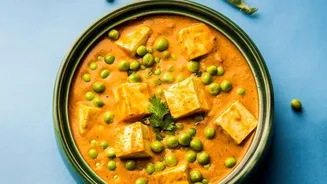
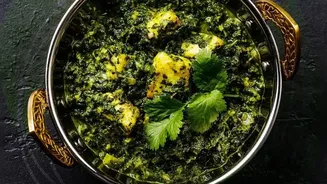
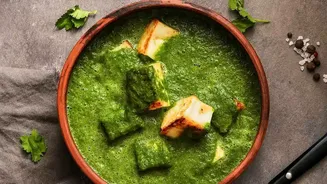
These differences directly influence how paneer behaves during cooking. Softer, moist homemade paneer absorbs gravies and spices beautifully, making it ideal for dishes like shahi paneer or malai kofta. However, it can also crumble easily if not handled gently. The firm, dense structure of packaged paneer makes it superior for grilling, tandoori preparations, and cubing for dishes like paneer tikka, as it holds its shape exceptionally well under high heat. Its lower moisture content also means it's less likely to release water and dilute your curry. Many cooks soak packaged paneer in warm water for 15-20 minutes before use to soften its texture.