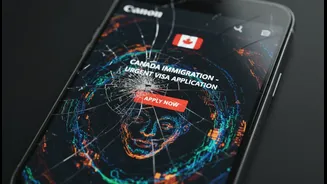










The Dangerous Lure of 'Easy' Visas
The internet is filled with advertisements and third-party agents promising guaranteed visas, faster processing times, and a hassle-free experience. While tempting, these offers are often sophisticated scams designed to steal your money and sensitive
personal data. Fraudsters create convincing websites that mimic official portals, use high-pressure tactics, and charge exorbitant fees for services that are either free or much cheaper on the actual government sites. Many applicants from India have fallen victim to these schemes, which range from fake job offers tied to a visa, to websites that simply harvest your details and payment information before disappearing. The consequences can be severe, including significant financial loss and the compromise of your passport and other identity documents.
Why Official Government Sites Are Your Only Safe Bet
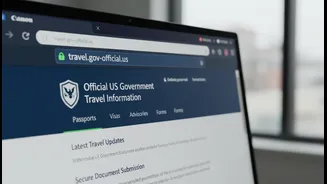
A genuine visa is issued by a country's government, and the application process must always start with their official channels. These official websites are the single source of truth for visa requirements, fees, and procedures. For instance, official U.S. government websites always end in the ".gov" domain, a suffix that cannot be used by non-governmental entities. Similarly, the official UK government website is "gov.uk". Using these portals ensures you are providing your information directly to the correct authorities and paying the official, mandated fees. Any promise from a third party to 'guarantee' a visa is a lie; the decision to grant a visa rests solely with the respective country's immigration officials.
How to Spot a Fake Visa Website
Scammers are skilled at creating copycat websites that look professional, often using national flags and official-looking logos. However, there are several red flags. First, check the website address (URL). Does it have a government domain like ".gov" for the U.S. or ".gov.in" for India? Be wary of similar-looking domains that end in .com, .org, or .net. Second, ensure the website connection is secure. The URL should start with "https://" and display a padlock icon in the browser's address bar. Unprofessional design, spelling mistakes, and pop-up ads are other signs that you might be on a fraudulent site. Finally, official government sites rarely ask for payments through unconventional methods like direct bank transfers or cryptocurrency.
The Role of Official Partners Like VFS Global
Many governments, including Canada, the UK, and several Schengen countries, partner with external companies like VFS Global to handle the administrative tasks of visa applications. These companies are authorised to collect applications, documents, and biometric data on behalf of the government. It is crucial to understand that even when using a service like VFS Global, you should always start from the official government immigration website. The government site will direct you to its authorised partner. Do not go directly to a third-party service provider's website from a search engine result without first verifying the link on the official embassy or consulate page. VFS Global itself does not make visa decisions; its role is purely administrative.
What to Do If You Suspect a Scam
If you believe you have encountered a fraudulent website or have been contacted by a scammer, do not provide any personal information or make any payments. Scammers often use phone calls, sometimes spoofing official embassy numbers, to create a sense of urgency and fear, threatening deportation or legal action. Official embassies will not call you to ask for money or credit card details over the phone. If you have been scammed, report the incident immediately. In India, you can file a complaint on the national cybercrime reporting portal (cybercrime.gov.in). You should also report the fraud to your local police and the embassy of the country you were applying to. The Indian Ministry of External Affairs also has a portal called MADAD for lodging grievances against fraudulent agents.