
What Exactly Is a Dirty Matcha?
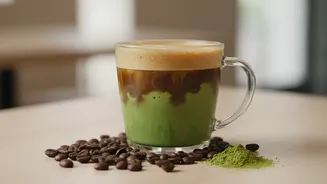
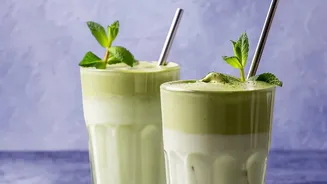
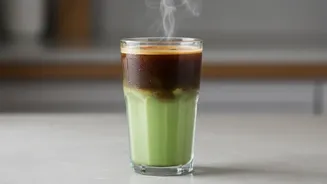
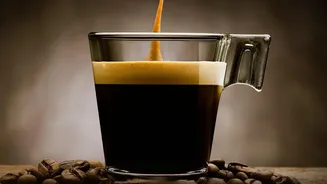
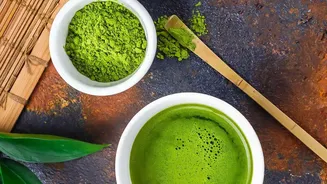
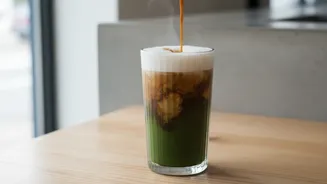
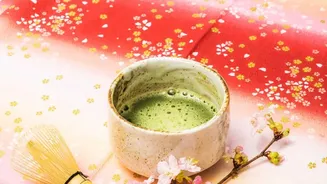
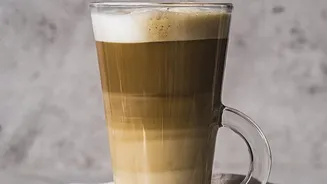
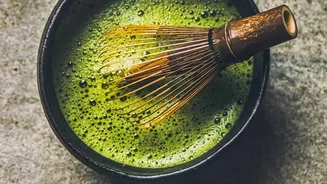
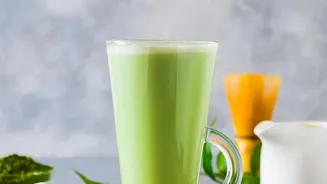
A dirty matcha is a simple concept with a complex flavor profile. It consists of a matcha latte—typically made with matcha powder, milk, and an optional sweetener—that is then “dirtied” with a shot of espresso poured over the top. The name comes from
the way the dark espresso stains the vibrant green of the matcha, creating a distinct, layered look that is especially popular in iced versions. This combination bridges the gap between the coffee and tea worlds, offering the creamy, vegetal notes of matcha alongside the roasted, bitter punch of espresso.
The Caffeine Breakdown
The main question surrounding the dirty matcha is its caffeine content. A standard serving of matcha (about 2 grams of powder) contains roughly 60-70 mg of caffeine. A single shot of espresso contains a similar amount, typically around 60-80 mg. When you combine them, a single dirty matcha can easily contain 120-150 mg of caffeine or more. This is comparable to a strong 8-ounce cup of drip coffee, which averages 95 mg but can go higher. For context, the FDA suggests a daily limit of 400 mg of caffeine for most healthy adults. While one dirty matcha fits well within this limit, it’s a substantial dose in a single glass.
The Best of Both Worlds?
The appeal of a dirty matcha goes beyond its caffeine kick. It offers a unique combination of effects from its two core ingredients. From the espresso, you get a quick-acting, stimulating boost. From the matcha, you get a special amino acid called L-theanine. L-theanine is known for promoting a state of “calm alertness.” Research shows that when combined with caffeine, L-theanine can enhance focus and reaction time while smoothing out the less desirable side effects of caffeine, like jitters and anxiety. This synergy is why many people report that the energy from matcha feels steadier and less frantic than that from coffee alone. In a dirty matcha, you get both the immediate punch from the espresso and the moderating influence of L-theanine.
Potential Risks and Considerations
Despite the potential for a smoother buzz, the high caffeine content isn't for everyone. For individuals sensitive to caffeine, a dirty matcha could still trigger unwanted side effects like nervousness, a rapid heartbeat, stomach upset, or difficulty sleeping. Consuming high levels of caffeine, especially later in the day, can significantly disrupt sleep patterns. Furthermore, high caffeine intake can exacerbate anxiety in susceptible individuals and may interfere with calcium absorption or raise blood pressure. It's crucial to be mindful of your total daily caffeine consumption from all sources, including sodas, other teas, and even chocolate.
A Matter of Taste
Beyond the science, there's the simple question of flavor. The dirty matcha is a divisive drink. It combines the grassy, slightly sweet, and umami flavors of high-quality matcha with the bold, acidic, and roasted notes of espresso. For some, this is a beautiful and complex marriage of flavors. For others, the two distinct profiles clash. The quality of the ingredients matters immensely; using a bitter, lower-grade culinary matcha with a very dark, smoky espresso can result in an unpleasant taste. Many baristas recommend using a ceremonial-grade matcha and a lighter, fruit-forward espresso to create a more balanced and harmonious beverage.