





A Record-Breaking Shift
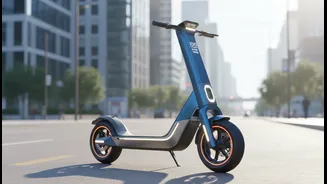
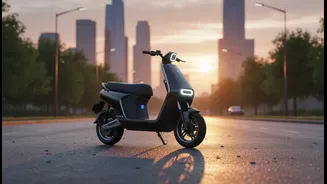
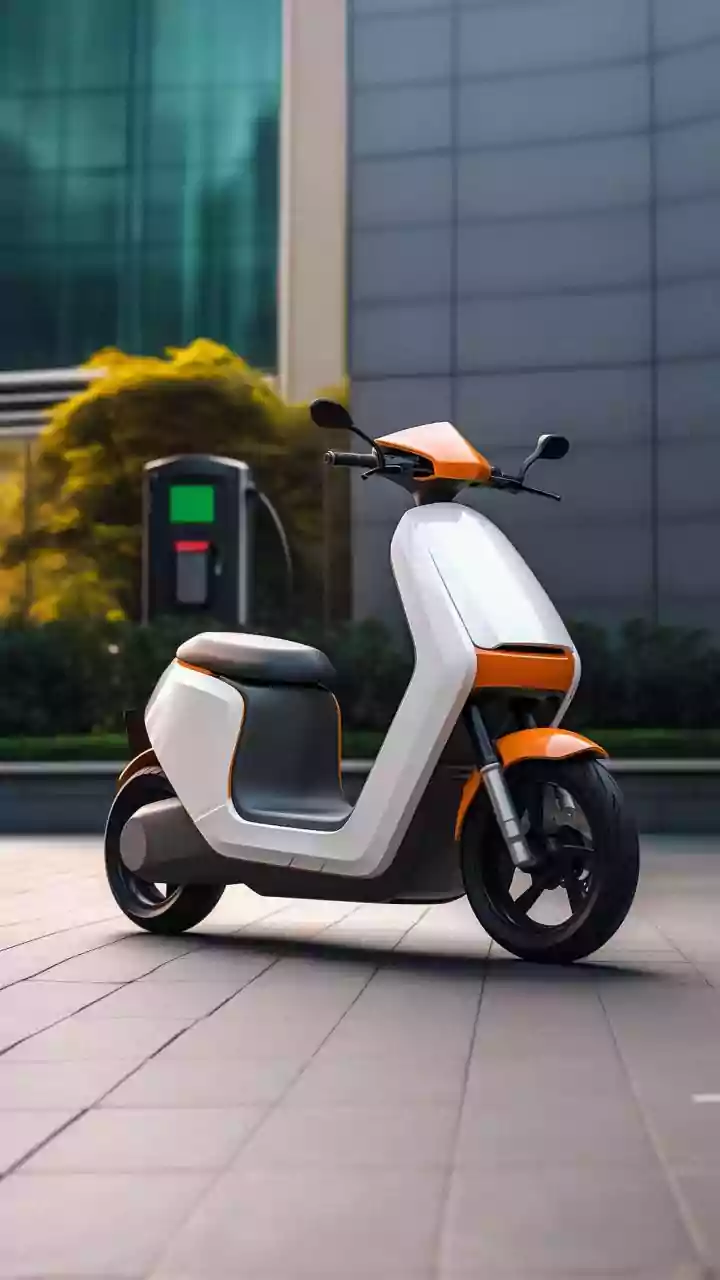
The numbers paint a clear picture of an industry hitting its stride. In the first half of 2026 alone, electric two-wheeler sales in India crossed the one million mark, a staggering 54% year-on-year growth. Sales in June 2026 surged by nearly 75% compared
to the same month last year, pushing the market share of electric models in the two-wheeler segment to over 10% for the first time. This acceleration is not a coincidence. Industry data directly correlates sharp sales increases in May and June with a series of fuel price hikes that began in mid-May, prompting many buyers to make the switch to save on running costs.
The Compelling Math of Cost Savings
For the average rider, the decision is increasingly becoming a matter of simple economics. While the initial purchase price of an electric scooter can be higher than its petrol counterpart, the long-term savings are significant. The running cost of an EV is estimated to be around ₹1-2 per kilometre, a fraction of what it costs to run a petrol vehicle, especially with petrol prices in cities like Mumbai and Bengaluru exceeding ₹111 per litre. This widening gap in the total cost of ownership is the single biggest driver behind the current demand surge. As one industry executive noted, consumers in the price-sensitive small vehicle segment are particularly affected by monthly fuel expenses, making the stability of electricity costs a powerful incentive.
Legacy Giants Overtake Startups
Interestingly, the market leadership has shifted. While startups like Ola Electric once dominated, legacy automakers are now firmly in control. TVS Motor Company leads the pack, holding a 24% market share with its iQube scooter, followed closely by Bajaj Auto's Chetak with a 22% share. Ather Energy, a startup that has successfully transitioned to the mainstream, holds the third position. These established brands are leveraging their vast service networks and decades of consumer trust, which are proving to be decisive factors for buyers seeking reliability and after-sales support. In contrast, Ola Electric, which once held a commanding lead, has seen its market share fall to around 7-8% amid concerns over service and consumer trust.
Government Schemes and Lingering Hurdles
The government continues to play a crucial role in this transition. The new PM E-DRIVE scheme (formerly FAME) has been approved with a significant budget to subsidise the adoption of electric two-wheelers and expand the charging infrastructure. These incentives help reduce the high upfront cost, a major barrier for many potential buyers. However, challenges remain. The scarcity of public charging stations outside of metro cities, range anxiety, and questions about long-term battery life and replacement costs are still significant concerns for consumers. While home charging is a viable solution for many, building a robust and standardised public charging network is critical for the next phase of growth.