



The Foundation: Key Systems Tested and Qualified
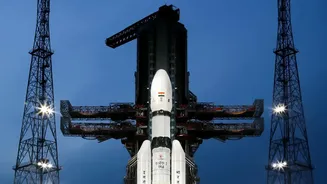
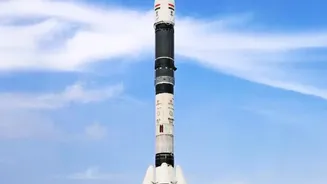
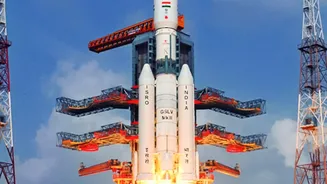
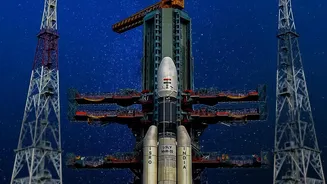
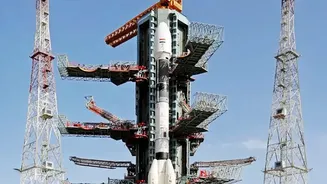
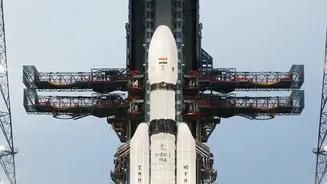
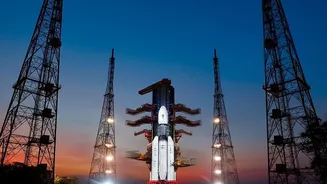
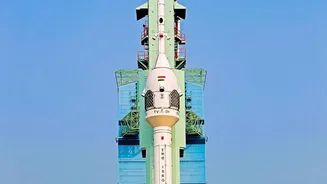
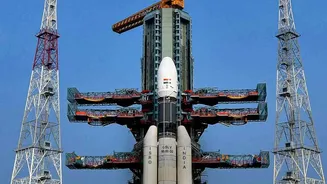
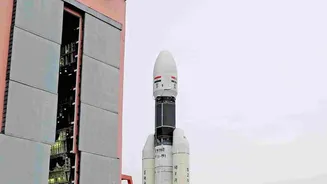
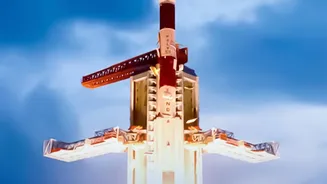
Before astronauts can fly, every single component of their spacecraft and rocket must be proven safe. This process, known as human-rating, is where ISRO has made monumental progress. The powerful launch vehicle, now called the Human Rated Launch Vehicle
(HLVM3), has had all its propulsion stages and structural systems developed and ground-tested. This isn't just any rocket; it's a vehicle specially modified to carry humans with the highest safety standards. Equally important is the Orbital Module, which consists of the Crew Module where astronauts will live and the Service Module that supports it. ISRO has successfully developed and tested the propulsion systems for both modules. A series of crucial tests have validated the systems that will protect the crew, including the successful Test Vehicle Demonstration Mission (TV-D1) which proved the effectiveness of the Crew Escape System in flight. This system is designed to pull the crew capsule to safety in case of a launch emergency.
Ensuring a Safe Return and Survival
Getting to space is only half the battle; returning safely is paramount. ISRO has rigorously tested the systems responsible for bringing the crew home. This includes multiple Integrated Air Drop Tests (IADT), where a simulated Crew Module was dropped from an aircraft to validate the complex sequence of parachute deployments needed to slow the capsule for a gentle splashdown. Other critical tests have confirmed the structural integrity of the module and its ability to withstand the forces of re-entry. The Environmental Control and Life Support System (ECLSS), which provides astronauts with breathable air, controlled temperature, and water, has also seen its engineering model developed and tested. This 'Earth-like environment in space' is one of the most critical technologies for human spaceflight. Furthermore, a Crew Module Up-righting System has been tested to ensure that after splashing down in the ocean, the capsule will automatically turn itself upright, a vital feature for crew safety and recovery.
The Path Forward: Uncrewed Flights and Final Preparations
With much of the foundational hardware built and validated, the focus now shifts to a series of full-scale test flights. The next major step is the first uncrewed Gaganyaan mission, designated G1, which is targeted for the last quarter of 2026. This mission will not carry astronauts but will instead fly 'Vyommitra', a sophisticated humanoid robot. Vyommitra will help ISRO test the performance of the life support systems and gather critical data on the conditions inside the capsule during a spaceflight. Following the G1 mission, ISRO plans for at least two more uncrewed flights through 2027 to demonstrate the reliability and safety of all systems before the first crewed launch. These missions are non-negotiable dress rehearsals to ensure every aspect of the launch, orbit, re-entry, and recovery works perfectly.
The Human Element: Training and the Final Frontier
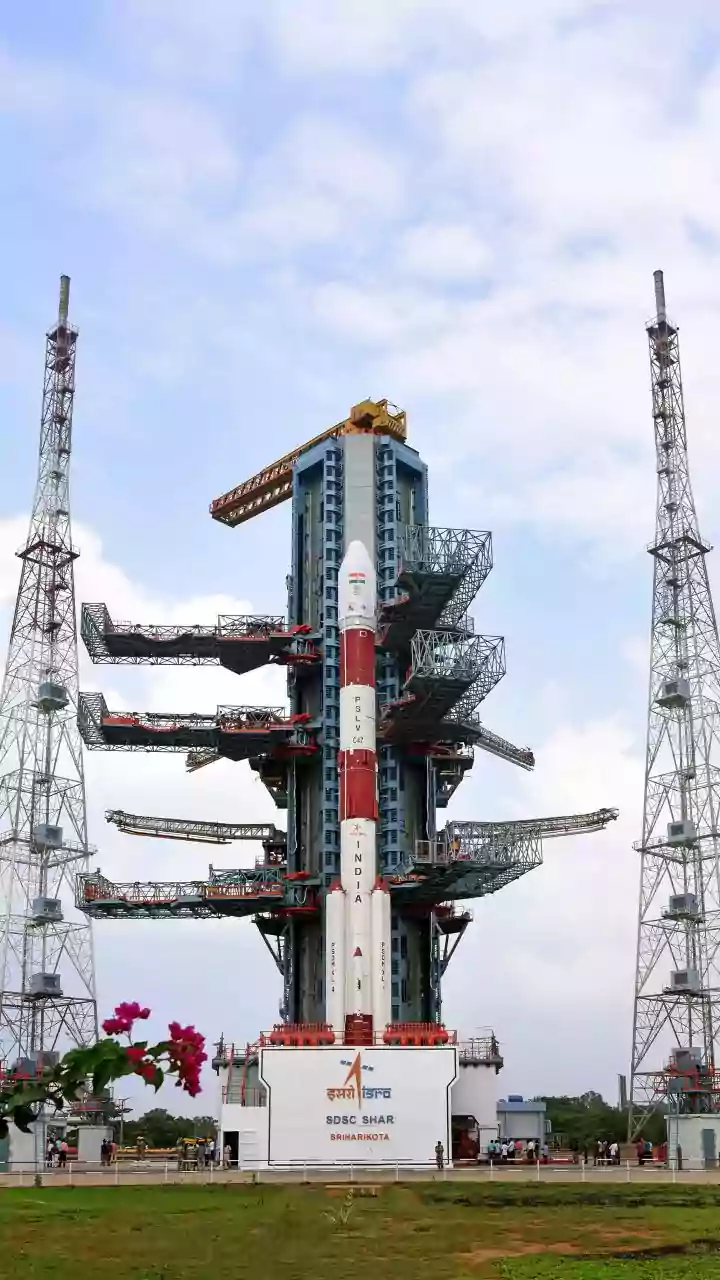
While the hardware is being perfected, the human component is also in its advanced stages. The four astronaut-designates—all decorated Indian Air Force pilots—have completed their generic astronaut training and are now undergoing mission-specific training in Bengaluru. This intensive preparation covers everything from operating the spacecraft systems and conducting scientific experiments to handling any potential emergencies. In parallel, ISRO has established the necessary ground infrastructure, including a new Gaganyaan Control Centre and extensive modifications to the launch pad at Satish Dhawan Space Centre to support crewed missions. The first historic crewed flight, which will carry Indian astronauts into a 400 km orbit for about three days, is now targeted for 2027. This mission will make India only the fourth country in the world to have an independent human spaceflight capability.