





A New Entry Point to Electric Audis
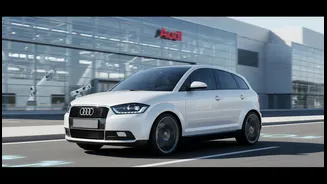
The upcoming Audi A2 e-tron is poised to become the new gateway into the brand's growing electric lineup. Positioned as a compact, premium electric vehicle, it aims to attract a broader and younger customer base, particularly in urban environments where
smaller, efficient cars are in high demand. Audi has confirmed the model will officially debut in the autumn of 2026. This new model family effectively replaces the internal combustion engine (ICE) A1 and Q2 models, which have been phased out as Audi shifts its focus towards electrification. By creating a more accessible electric option, Audi hopes to make entry into its premium ecosystem more relevant for new demographics who prioritize sustainability and digital connectivity alongside performance.
The Significance of the A2 Name
The decision to revive the 'A2' nameplate is a deliberate nod to Audi's history of innovation. The original Audi A2, produced from 1999 to 2005, was a car ahead of its time, known for its lightweight aluminum construction and remarkable fuel efficiency. While it wasn't a commercial blockbuster, it became a cult classic celebrated for its forward-thinking engineering and city-friendly design. By naming its new entry-level EV the A2 e-tron, Audi is signaling that the car will carry forward that original mission of efficiency and urban mobility into the electric age. This connects the brand's innovative past with its sustainable future, giving the new model a philosophical depth that many competitors in the compact EV space lack.
Why Production in Ingolstadt Matters
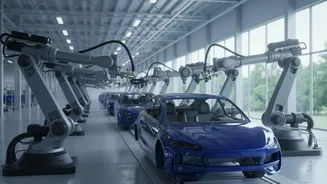
Placing the production of the A2 e-tron at the company's headquarters in Ingolstadt, Germany, is a major strategic decision. This move underscores Audi's commitment to transforming its core German manufacturing sites for the electric era, rather than exclusively building new plants. The Ingolstadt plant is Audi's flagship facility, and producing the A2 e-tron there secures local jobs and sends a strong message about the future of 'made in Germany' electric mobility. The A2 e-tron will be the third fully electric model line to be built at the site, following the Q6 e-tron and A6 e-tron. This integration is part of Audi's '360factory' strategy, which aims to make existing plants as flexible and efficient as new ones, ensuring a resilient production network during the transition away from combustion engines.
Shifting the Product Portfolio
The introduction of the A2 e-tron is a key part of a broader shake-up of Audi's vehicle lineup. Having launched over 20 new models in 2024 and 2025, the company is now strategically filling gaps at both ends of its portfolio. At the top end, the brand is preparing the large, luxurious Q9 SUV. At the entry point, the A2 e-tron will serve a crucial role. This dual focus allows Audi to cater to a wider spectrum of the market. To make room, production of the compact Q2 SUV at Ingolstadt ended in April 2026, freeing up capacity for the A2 e-tron's start in the autumn. This strategic pivot shows Audi moving decisively away from some of its traditional entry-level ICE models to focus on more profitable segments and its all-electric future.
The Competitive Landscape
With the A2 e-tron, Audi is entering an increasingly competitive field. The market for compact and affordable EVs is growing rapidly, and Audi will be contending with established players and new entrants alike. The vehicle is expected to be based on the Volkswagen Group's MEB platform, similar to the VW ID.3, which will provide a solid foundation for performance and efficiency. While this platform provides proven rear-wheel-drive capabilities, it also means the vehicle will likely use a 400-volt electrical architecture, unlike some newer models in the VW Group that are moving to faster-charging 800-volt systems. The A2 e-tron's success will depend on its ability to deliver a distinctly 'Audi' premium experience in terms of design, technology, and driving dynamics, differentiating it from its corporate cousins and other rivals in the segment.