




Meet the Modak: An Offering of Joy
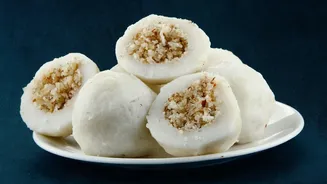
In India, the modak is far more than just a sweet; it is a sacred offering steeped in religious significance. This dumpling, with its distinctive pleated top, is considered the favourite food of Lord Ganesha, the remover of obstacles. As such, it is the star
of Ganesh Chaturthi, a major Hindu festival. The most traditional version, known as Ukadiche Modak, features a soft, steamed outer shell made from rice flour. Inside, a warm and fragrant filling of freshly grated coconut and jaggery (unrefined cane sugar), often spiced with cardamom, awaits. The shape itself is symbolic, sometimes said to resemble a bag of money, representing prosperity, or a closed lotus, representing spiritual enlightenment. According to one legend, the modak was a divine sweet that imparted supreme wisdom, and a young Ganesha earned it through his clever devotion, cementing its status as a reward for knowledge.
Introducing Mochi: A New Year Staple
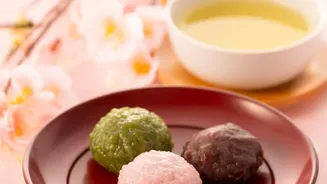
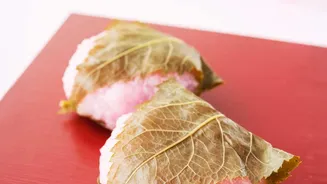
Travel east to Japan, and you'll find mochi, a chewy confection with its own profound cultural roots. Made from mochigome, a type of glutinous rice, mochi is traditionally made in a laborious but communal ceremony called mochitsuki, where the steamed rice is rhythmically pounded with large wooden mallets. This process itself symbolizes community and unity. Mochi is most closely associated with the Japanese New Year (Oshogatsu), where it is eaten to wish for good fortune, longevity, and strong family bonds. Its sticky, elastic texture is seen as a metaphor for the continuity of life and the ties that bind a family together. While it can be enjoyed plain, it often serves as the foundation for other sweets, like daifuku, which is mochi filled with sweet red bean paste (anko) or even ice cream.
Similarities on the Surface
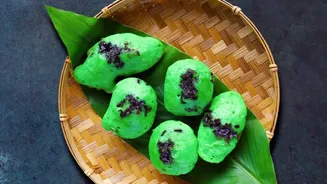
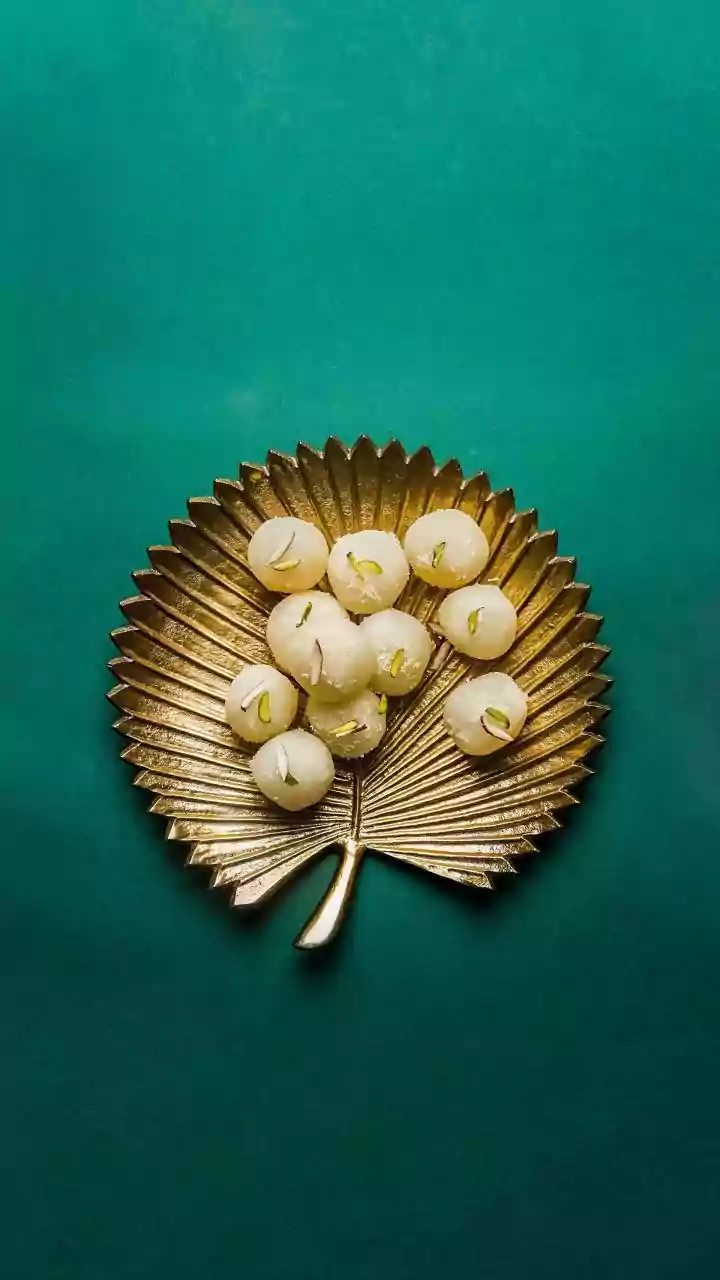
The confusion between modak and mochi is understandable. Both are typically white, soft, and round rice-based dumplings with a sweet filling. Both are iconic festive foods central to their respective cultures. A steamed modak and a plain, filled mochi can look nearly identical to the untrained eye. In South India, a close cousin of the modak called kozhukattai shares an even closer resemblance and is also prepared for Ganesh Chaturthi, further adding to the visual overlap. The primary difference in ingredients lies in the type of rice used: modak typically uses regular rice flour, creating a soft but less elastic dough, while mochi requires glutinous rice flour, which gives it its signature stretchy, chewy quality. The fillings also differ, with modak's coconut-jaggery core contrasting with mochi's common red bean paste or modern ice cream fillings.
The Key Qualification: Culture Over Form
Here lies the crucial point the headline hints at. To say a modak is simply the "Indian version of mochi"—or vice versa—is to erase the very essence of what makes each sweet special. The key qualification to keep in mind is the distinction between cultural significance and mere physical form. The modak is not just a dessert; it is a 'prasad,' a religious offering imbued with divine narrative and spiritual symbolism. Its identity is fundamentally tied to worship and mythology. Mochi, while also sacred in its Shinto origins, functions more as a cultural symbol of celebration, family, and good fortune, particularly for the New Year. Reducing them to their shared shape is a form of casual erasure that overlooks their unique histories. It’s a reminder that true cultural appreciation involves understanding the context, not just admiring the aesthetic. In a world quick to draw parallels, the story of these two sweets teaches a valuable lesson: sometimes, the most important differences are the ones you can't see.