








A Bold Electric Future
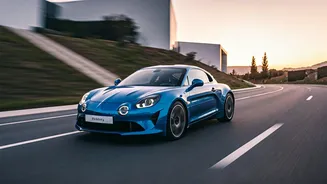
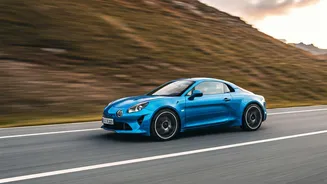
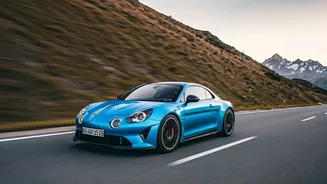
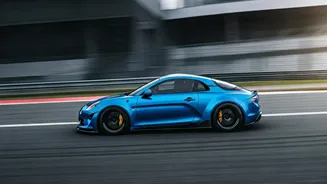
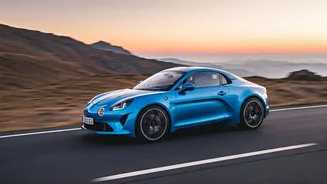
Alpine, the performance-focused brand within the Renault Group, has made a significant declaration: its future is electric, and it will not compromise on performance. The brand, celebrated for its lightweight and agile A110 sports car, is developing a fully
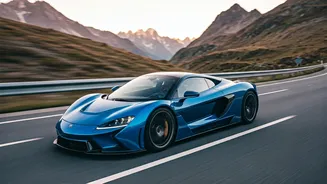
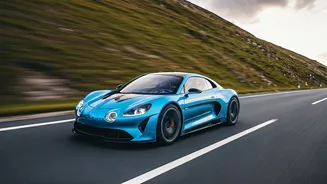
electric successor that it believes will set a new benchmark. Just recently, on July 1, 2026, the final petrol-powered A110 rolled off the production line in Dieppe, France, marking the end of an era and clearing the way for its electric replacement. This move is part of a broader strategy that will see Alpine launch seven new electric models by 2030, transforming from a niche manufacturer into a serious premium performance player.
The Challenge: Weight vs. Agility
The single biggest hurdle for any electric sports car is weight. Batteries are heavy, and for a car like the A110—praised for its featherlight feel and sharp handling—adding mass is a cardinal sin. To tackle this, Alpine is developing a bespoke new architecture called the Alpine Performance Platform (APP). A key innovation is a split-battery system; instead of one large slab under the floor, the packs are divided between the front and rear of the car. This allows engineers to maintain the A110's classic mid-engine weight distribution (around 40:60 front-to-rear), preserving the handling characteristics that define the car.
Performance by the Numbers
To understand the claim of 'outperforming' rivals, we can look at the A110 E-ternité, a prototype created in 2022 to serve as a rolling laboratory for the electric concept. That car was equipped with a 178 kW motor, capable of a 0-100 km/h sprint in 4.5 seconds, nearly matching the petrol version's 4.4 seconds. However, plans for the final production model are far more ambitious. CEO Philippe Krief has suggested a target weight of under 1,300 kg and a power output exceeding 464 horsepower from a dual-motor rear axle. This combination of low weight and high power would indeed put the electric A110 in a strong position against competitors like the Porsche 718 Cayman.
Advanced Engineering and Tech
Achieving this performance isn't just about power and weight. The new platform will feature an 800-volt architecture for fast charging and high-density cell-to-pack batteries for efficiency. The dual-motor setup at the rear will enable active torque vectoring, which electronically mimics a limited-slip differential for enhanced agility and control. All these systems—from battery management and braking to steering and active aerodynamics—will be managed by a central electronic control unit that Alpine calls its 'Dynamic Model'. This brain will ensure all components work in harmony to deliver the intuitive, nimble, and emotional driving experience Alpine is known for.
More Than Just One Car
The electric A110 is the emotional heart of Alpine's new strategy, but it's not the only piece. The brand has already launched the A290, a sporty electric city car, and announced the A390, an electric crossover. The flexible APP platform that underpins the new A110 will also be used for a future roadster and a larger 2+2 sports coupe, expected to be called the A310. While Alpine is fully committed to this electric path, its CEO has noted that the platform could, if necessary, accommodate a combustion engine, providing a hedge against shifting global regulations. For now, however, all focus is on proving that the future of the sports car is battery-powered.