





A Steep Decline in Cotton
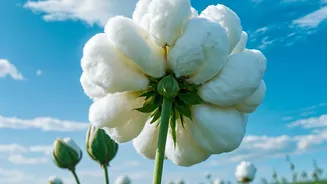
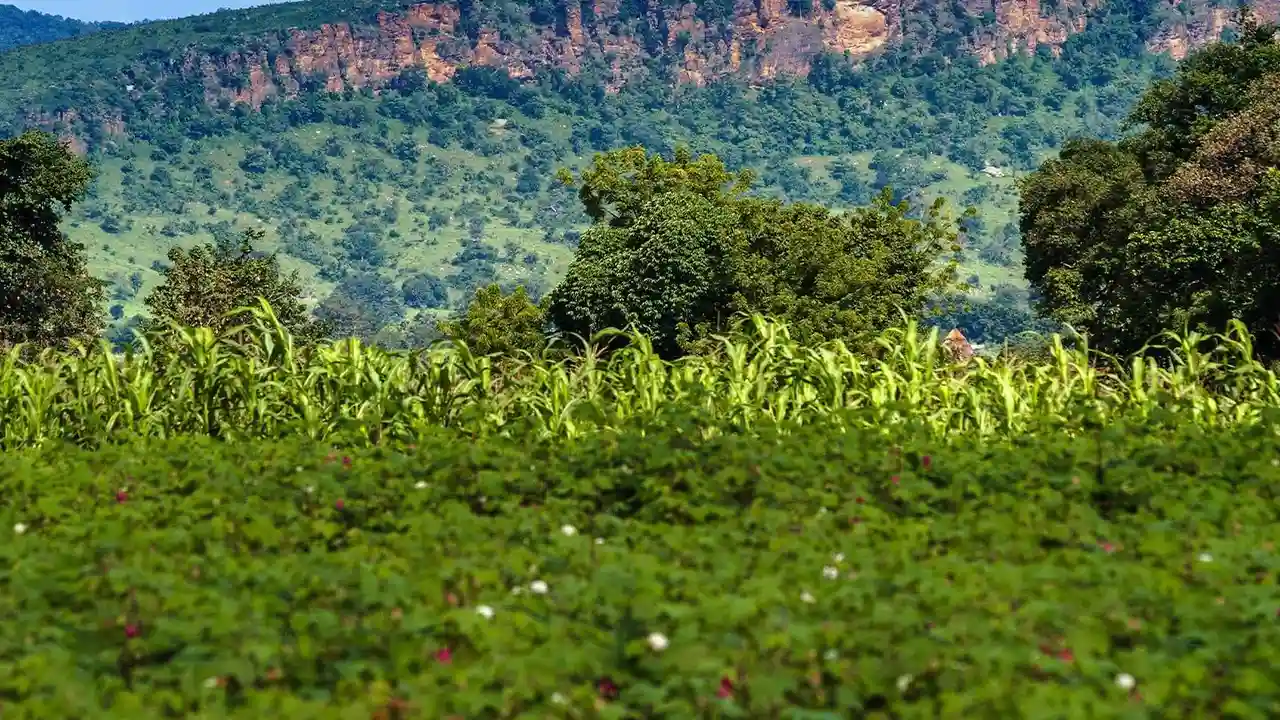
The numbers paint a stark picture of a strategic retreat. For the 2026-27 season, cotton cultivation in Punjab has plummeted to a historic low of around 80,000 hectares. This is a dramatic fall from 1.19 lakh hectares the previous year and a far cry from the state
government's target of 1.25 lakh hectares. In fact, only about 64% of the target was met as farmers decisively turned their backs on the crop. This decline is not a one-off event but the culmination of a six-year trend that has seen acreage, production, and yields consistently fall. The implications are national, with India's raw cotton imports nearly doubling in a single year to meet the domestic textile industry's demand.
The Compulsion of Economics and Pests
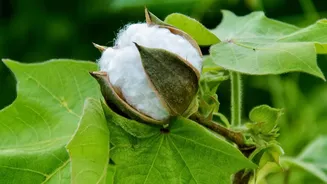
So, why are farmers making this seemingly counterintuitive choice? The answer lies in a combination of risk and reward. Cotton farming has become a high-stakes gamble. For years, cultivators have battled devastating pest attacks, particularly from the pink bollworm and whitefly, which have developed resistance to genetically modified Bt cotton. These infestations have led to repeated crop failures and severe financial losses, eroding farmer confidence. Unseasonal rains during harvest have further compounded the misery. In contrast, paddy offers a sense of security. Its cultivation is supported by a robust system of free electricity for irrigation and, most importantly, an assured procurement at a Minimum Support Price (MSP) by government agencies. While the MSP for cotton also exists, procurement is dominated by private traders, and prices often fall below the government-mandated rate, leaving farmers vulnerable. For many, the guaranteed, stable income from paddy outweighs the volatile and risky returns from cotton.
The Environmental Cost of a 'Safe' Bet
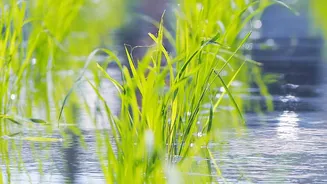
The shift to paddy is a rational economic decision for an individual farmer but an ecological disaster for the state. Paddy is an notoriously thirsty crop, requiring up to 5,000 liters of water to produce a single kilogram of rice, making it ill-suited for Punjab's semi-arid climate. The state is already the country's highest extractor of groundwater, with 97% of it used for irrigation, primarily for paddy. As a result, the water table is dropping at an alarming rate of about one meter per year in many areas, and over 80% of the state's groundwater blocks are now classified as 'over-exploited'. Officials have warned that the decline in cotton area will directly increase the pressure on these already-strained water resources, pushing Punjab closer to an ecological crisis. Some projections warn Punjab could become a desert within decades if current trends continue.
A Setback for Crop Diversification
This massive return to the paddy-wheat cycle represents a major failure of government policy. For decades, experts and government committees have recommended crop diversification to wean Punjab's agriculture away from the unsustainable monoculture. The S.S. Johl committee report, as far back as 1986, called for shifting at least 20% of the area under paddy and wheat to other crops to protect the state's ecology. Despite numerous policies and targets aimed at promoting crops like maize, pulses, and cotton, these efforts have largely failed to gain traction. The primary reason is the lack of a supportive ecosystem for alternative crops that can match the security offered by paddy's MSP and guaranteed procurement. Without this safety net, farmers are unwilling to bear the market risks associated with diversification.