


From Villain to Hero: The Return of Ghee
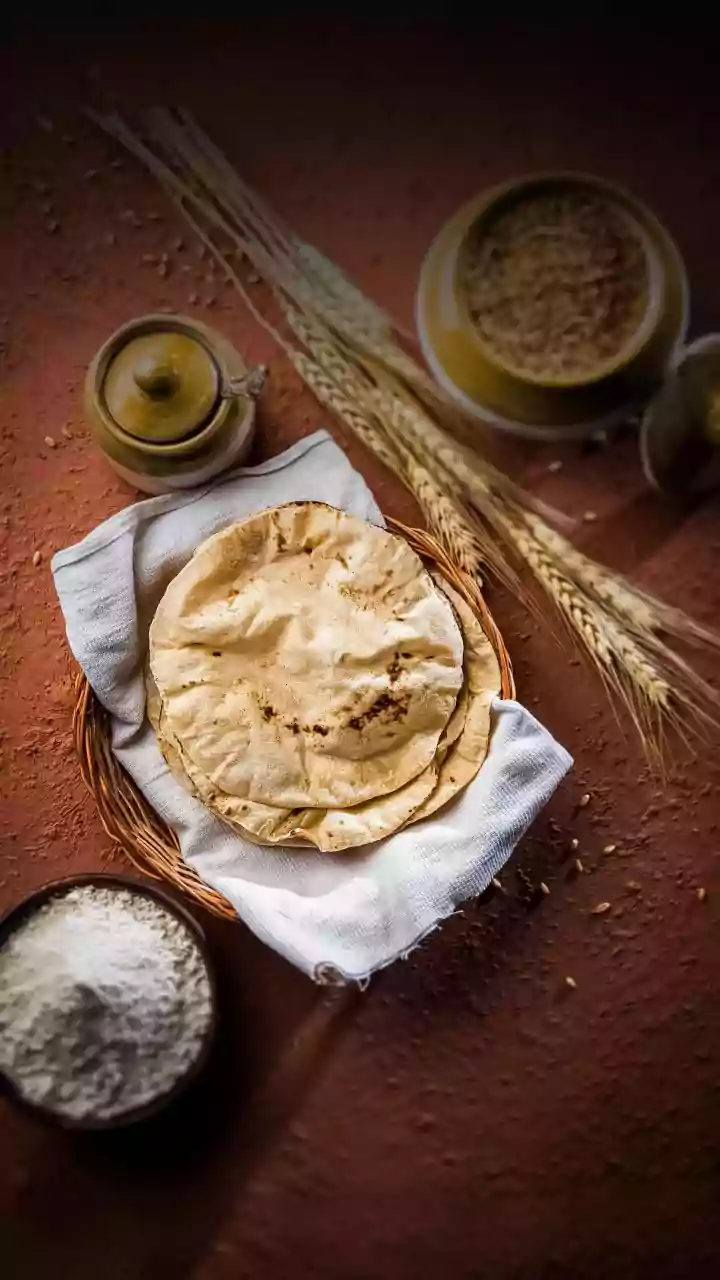
For decades, ghee was pushed aside, replaced by refined vegetable oils amid fears over saturated fats. That dollop of 'liquid gold' on a roti or in a bowl of dal became a guilty pleasure rather than a daily necessity. However, modern science and a renewed
appreciation for ancestral wisdom are changing the narrative. Nutritionists now highlight that pure ghee, when consumed in moderation, is a source of fat-soluble vitamins like A, D, E, and K. It contains butyric acid, which is thought to support gut health, and has a high smoke point, making it ideal for Indian cooking methods. This shift isn't just about nostalgia; it's a conscious choice for a less processed, more nourishing fat that has been at the heart of Indian cuisine for millennia.
The Mighty Millet Revolution
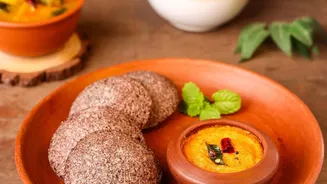
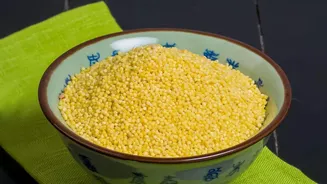
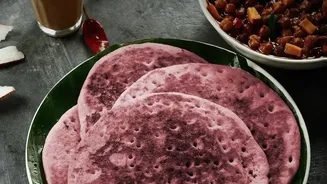
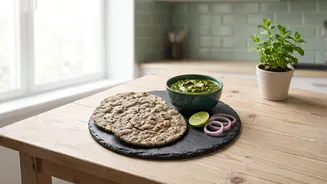
Not long ago, millets like jowar (sorghum), bajra (pearl millet), and ragi (finger millet) were often dismissed as 'coarse grains' or food for rural diets. The Green Revolution in the mid-20th century prioritized high-yield wheat and rice, pushing these hardy, indigenous grains out of the mainstream. Today, they are being celebrated as 'nutri-cereals'. Millets are naturally gluten-free, rich in fibre, protein, and minerals like iron and calcium. Their lower glycemic index helps in the slow release of sugar, supporting better blood sugar balance. The UN's declaration of 2023 as the International Year of Millets further boosted their profile, highlighting their resilience to climate change—as they require less water and fewer pesticides than wheat and rice—and their role in food security.
Rediscovering Ancient Seeds and Grains
The comeback trail extends beyond ghee and millets. A similar revival is happening for traditional varieties of rice. India once cultivated over 100,000 types of rice, each adapted to local ecosystems. While many were lost to monoculture, farmers and conservation groups are bringing back heirloom seeds. These indigenous varieties are often more nutritious, flavourful, and resilient to pests and climate stress like floods or drought. Likewise, familiar seeds are getting a second look. While chia and flax have become globally popular, traditional Indian seeds like sesame (til), mustard (sarson), and pumpkin seeds (kaddu ke beej) are being recognized for their immense nutritional value, packed with healthy fats, protein, and micronutrients.
A Return to Sustainable, Mindful Eating
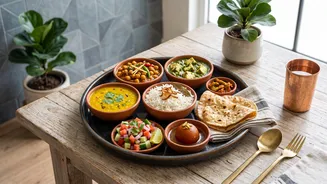
So, what's driving this collective return to our roots? The trend is fuelled by several factors. There is a growing distrust of ultra-processed foods and a desire for transparency in what we eat. Consumers are increasingly looking for foods that are not only healthy but also sustainable. Traditional staples like millets are climate-resilient, supporting local farmers and biodiversity. This movement also reflects a deeper cultural shift—a reclaiming of Indian identity and food heritage. It's about finding wellness not in foreign fads but in the time-tested wisdom of our own culinary traditions. Eating traditional foods is being seen as a holistic practice that connects us to our environment and our past.