



Why We Rotate in the First Place
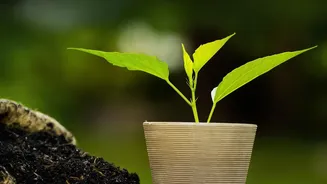
The core reason for rotating plants is a process called phototropism. This is the natural tendency for plants to grow toward their light source to maximize energy for photosynthesis. Indoors, that light source is usually a window. Without regular rotation,
a plant will stretch and lean in one direction, leading to a lopsided shape with dense growth on one side and sparse, weak stems on the other. By giving your plant a quarter turn every week or two, you ensure all sides receive light, promoting strong, symmetrical growth. This simple habit results in a fuller, healthier-looking plant from every angle.
The Summer Sun: A Different Beast
While rotation is a year-round task, the brighter seasons of spring and summer introduce a significant risk: sunburn. The sunlight streaming through your windows is far more intense and lasts longer than during the winter months. Glass can even magnify the sun's rays, concentrating heat and light onto your plant's leaves. A plant that was perfectly happy in a south-facing window in January may suddenly find the same spot overwhelmingly bright in July. This is why the casual rotation that worked in darker months now requires more care and attention. Suddenly exposing a plant's shaded, unaccustomed leaves to intense, direct sun can lead to damage.
Reading the Signs of Sun Stress
Before a full-blown sunburn occurs, a plant will often show signs of sun stress. You might notice the vibrant green of the leaves starting to look pale or washed out. Some plants may develop reddish or purplish tints as a protective measure. If you see these early warnings, it's a cue to act. Sunburn itself is permanent tissue damage. It appears as white, yellow, or brown patches on the leaves that feel dry, crispy, or papery to the touch. These scorched spots will not recover, so prevention is the best strategy. Other signs of too much sun can include wilting even when the soil is moist and drooping or shrivelled leaves.
A Smarter Rotation Strategy
The key to safe rotation during brighter seasons is to be gentle and gradual. The common advice to make a quarter turn every time you water is still a great rule of thumb. However, resist the urge to give a lopsided plant a drastic 180-degree turn to “even it out” quickly. This is what causes shock and scorch, as the tender side that was facing away from the window is suddenly blasted with intense light. Instead, continue with smaller, more frequent turns. This allows every part of the plant to slowly acclimate to the increased light intensity. If you notice signs of stress, consider moving the plant a few feet back from the window or filtering the light with a sheer curtain during the hottest parts of the day.
Tailoring to Your Plant's Needs
Not all plants are created equal when it comes to light. A sun-loving succulent has very different needs than a shade-dwelling fern. During the summer, pay close attention to your plant's specific requirements. Plants that prefer indirect light may need to be moved away from windows they tolerated during the winter. Use the rotation routine as an opportunity to inspect your plants more closely. Check for pests, dust on the leaves (which can block light), and any dead or yellowing foliage that needs to be trimmed. This regular check-in helps you stay attuned to your plant's health as it navigates the changing seasonal conditions inside your home.