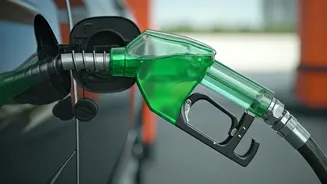








What Exactly is E20 Fuel?
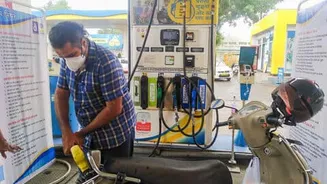
E20 is a blend of 80% petrol and 20% ethanol. Ethanol is a biofuel, an alcohol produced through the fermentation of agricultural products like sugarcane, maize, and other starches. India has progressively increased the percentage of ethanol blended into
its petrol, moving from E5 (5% ethanol) and E10 to the current E20 standard. The government's roadmap, which originally aimed for a 20% blend by 2030, was fast-tracked to 2025-26, a target India has already met. This policy makes India one of the leading countries, alongside Brazil, to adopt higher ethanol blends on a national scale.
The Government's Big Push
The transition to E20 is driven by a mix of economic, environmental, and agricultural goals. A primary objective is to reduce India's heavy reliance on imported crude oil, which accounts for about 85% of its needs. By substituting a portion of petrol with domestically produced ethanol, the country aims to save significant foreign exchange—billions of dollars annually, according to NITI Aayog estimates. Environmentally, ethanol burns cleaner than pure petrol, leading to lower emissions of carbon monoxide and hydrocarbons. Furthermore, the programme provides a major boost to the rural economy by creating a steady demand for crops like sugarcane and maize, thereby increasing farmer incomes.
Unpacking the 'Extensive Testing' Claim
In response to concerns about vehicle safety and performance, the government and industry bodies have emphasized that E20 was rolled out after rigorous evaluation. This testing was reportedly conducted by leading technical bodies like the Automotive Research Association of India (ARAI), Indian Oil's R&D wing, and the Society of Indian Automobile Manufacturers (SIAM) in collaboration with automakers. These tests evaluated engine durability, performance, and material compatibility. Both government officials and industry experts have stated that the science-led approach ensured the fuel's reliability and performance before its nationwide implementation. The Bureau of Indian Standards (BIS) has also notified standards for E20, ensuring a uniform quality across the country.
Are There Any Bumps in the Road?
Despite official assurances, some consumers have voiced concerns about potential drawbacks. One of the main issues is a possible slight decrease in fuel efficiency. Because ethanol has a lower energy density than petrol, a marginal drop in mileage (estimated between 2-4%) can occur. Another concern revolves around older vehicles. Ethanol can be more corrosive than petrol, potentially affecting rubber and plastic components in the fuel systems of cars and two-wheelers not designed for it. However, industry-led studies have suggested that no significant pattern of engine failure has been linked to E20 use in older vehicles since the rollout. Major manufacturers like Maruti Suzuki have stated that their own extensive tests on pre-2023 models showed no cause for concern regarding wear and tear or component life.
Is Your Vehicle E20 Ready?
The good news for most is that the automotive industry has prepared for this transition. All new cars and two-wheelers sold in India from April 1, 2023, are E20-compliant, meaning they are designed to run optimally on this fuel. Many manufacturers, including Maruti Suzuki, Hyundai, Tata, Honda, and Volkswagen, confirmed that their vehicles produced since 2020 are materially compatible with E20, even if the fuel cap sticker says E10. For owners of vehicles manufactured before 2020, while tests suggest significant damage is unlikely, it's always wise to consult the vehicle's manual or the manufacturer's official website. Automakers have also affirmed that using E20 fuel will not void the warranty on compliant vehicles.