


Discovering Gochujang's Magic
Let’s start with the flavour-maker: gochujang. This staple of Korean cuisine is a fermented red chilli paste made from chilli powder, glutinous rice, fermented soybeans, and salt. Its taste is a complex and captivating blend of spicy, sweet, and profoundly
savoury umami notes. Unlike a simple hot sauce that just brings heat, gochujang adds a fermented depth that can transform a dish. For a relatively neutral protein like tofu, this paste is a game-changer, coating it in a rich, glossy sauce that’s anything but one-dimensional. The fermentation process, which can last for months, is what develops this unique, complex flavour profile that can elevate simple ingredients.
The First Rule of Crispy Tofu
The number one enemy of crispy tofu is water. Tofu is packed in it, and if you don’t get that moisture out, you’ll end up steaming it in the pan no matter how high your heat is. This is why pressing firm or extra-firm tofu is a non-negotiable step for achieving a good crust. You don’t need a fancy gadget; simply wrap the tofu block in a clean kitchen towel or paper towels, place it on a plate, and put something heavy on top—like a few books or a cast-iron pan—for at least 30 minutes. This process expels excess water, making the tofu denser and creating a better canvas for a crispy exterior and allowing it to absorb marinades more effectively.
Why You Must Cook Tofu Separately
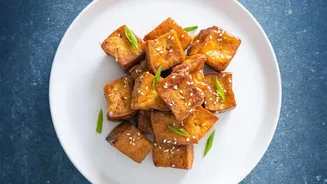
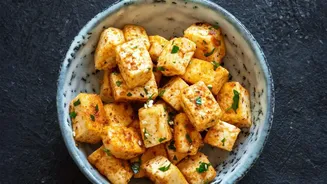
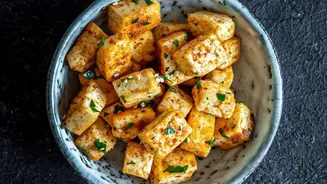
This is the crucial technique mentioned in the headline. After pressing, you must cook the tofu by itself before introducing any sauce. Pan-fry, bake, or air-fry your tofu cubes—often coated in a little cornstarch for extra crunch—until they are golden brown and crisp on all sides. The science is simple: direct, dry heat allows the surface to dehydrate and form a crust. If you add the tofu to a wet sauce in the pan from the beginning, the liquid will prevent the temperature from getting high enough for browning. The tofu will simply boil and absorb moisture, resulting in a soft, sometimes rubbery texture. Cook the tofu first, set it aside, and only then do you combine it with the sauce at the very end.
Creating the Perfect Gochujang Sauce
While your tofu is crisping up, you can prepare the sauce. A great gochujang sauce balances its intense flavour with other ingredients. In a small bowl, whisk together gochujang paste with a few complementary items. A common combination includes soy sauce (or tamari), rice vinegar, sesame oil, minced garlic, and a touch of sweetness from maple syrup, agave, or honey. Some recipes also incorporate ketchup for a tangier, slightly sweeter profile. The goal is to create a smooth, glossy glaze. You can gently heat this mixture in the pan after you've removed the tofu. This warms the flavours through and ensures it's ready for the final toss.
Assembling the Ultimate Rice Bowl
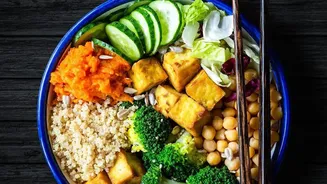
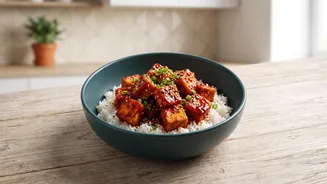
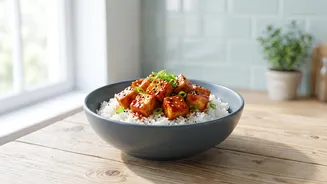
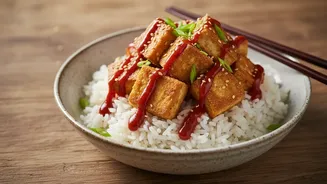
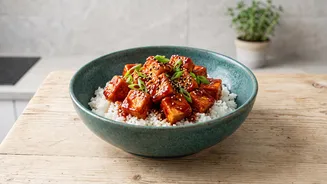
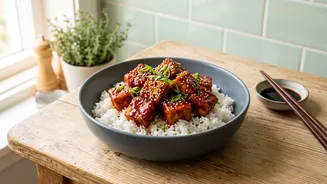
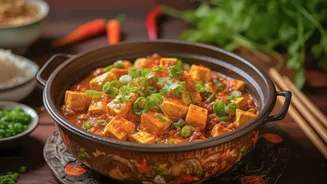
Now for the final, satisfying assembly. Once your tofu is crispy and your sauce is ready, add the tofu to the sauce and toss it quickly just to coat—don't let it simmer for long, or you'll lose the crispiness you worked so hard to achieve. From there, build your bowl. Start with a bed of fluffy steamed rice. Spoon the saucy, crispy gochujang tofu over the top. The meal is made even better with a variety of textures and temperatures. Consider adding complementary toppings like quick-pickled cucumbers, shredded carrots, steamed broccoli, kimchi, or a fresh slaw. A final garnish of toasted sesame seeds and chopped spring onions adds a finishing touch of freshness and flavour.