






A Loss Almost Too Big to Imagine
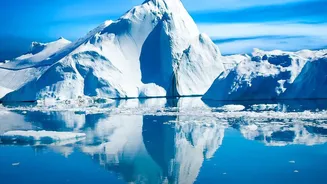
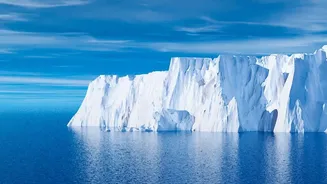
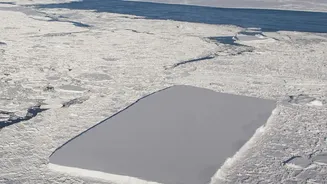
It’s a number so large it almost loses meaning: 11,309 billion tonnes. What does that much ice actually look like? Imagine burying the entire continental United States in nearly five feet of ice. That’s the scale of the loss from Greenland and Antarctica
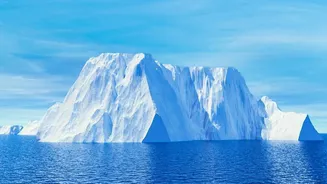
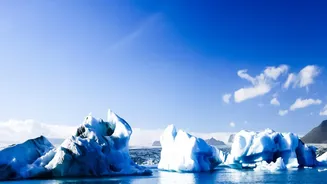
between 1979 and 2023, according to a major international assessment combining data from 27 satellite missions. This comprehensive study confirms that the rate of ice loss accelerated sharply from the 1990s onwards. For context, annual ice loss from Antarctica alone rose from about 48 billion tonnes in the 1980s to 202 billion tonnes in the 2010s. This isn't just about surface snow melting in warmer summers. Scientists found that about 84% of this loss came from glaciers physically speeding up and dumping more ice into the ocean, a process driven by warming seawaters. This dynamic response is a clear and troubling sign of how the polar regions are reacting to a warming climate.
The Direct Consequence: Rising Seas at Our Doorstep
All that melted ice has to go somewhere. The most immediate and measurable impact is on global sea levels, which have risen by over 3.1 centimetres (about 1.2 inches) from this ice loss alone. While that might sound small, every centimetre matters. Experts estimate that each centimetre of sea-level rise puts an additional six to nine million people at risk of annual coastal flooding globally. This makes the polar melt directly responsible for increasing the flood risk for tens of millions. For a country like India, with a vast 7,500-kilometre coastline, this is not a future threat but a present-day reality. Cities like Mumbai, Kolkata, and Chennai, which are economic powerhouses and home to millions, are extremely vulnerable. Recent UN reports have warned that millions in Mumbai and Kolkata are at immediate risk of displacement from rising seas and permanent inundation.
India's Coastline Under Siege
The threat to India's coastal megacities is existential. Much of Mumbai and Kolkata are low-lying, making them highly susceptible to increased flooding, coastal erosion, and storm surges made worse by higher sea levels. But the danger extends beyond spectacular floods. A slower, more insidious threat is saltwater intrusion. As sea levels push inland, saline water contaminates freshwater aquifers and agricultural soil. This process can ruin farmland, threaten drinking water supplies for coastal communities, and destroy critical ecosystems like mangrove forests. The Sundarbans, the world's largest mangrove forest and a natural barrier against storms for West Bengal, is already under severe stress from rising waters and salinity. The loss of such ecosystems removes a vital line of defence, leaving coastal populations even more exposed.
Beyond the Coasts: A Climate in Flux
The implications of melting ice sheets go far beyond coastlines. The polar regions act as the planet's refrigerators, and their bright, white ice reflects solar heat back into space, helping to regulate global temperatures. As this ice disappears, the darker ocean absorbs more heat, creating a feedback loop that accelerates warming. Furthermore, the massive influx of cold, fresh water from melting glaciers into the warmer, saltier ocean is disrupting major ocean currents. Scientists are closely watching currents like the Atlantic Meridional Overturning Circulation (AMOC), a massive system that helps distribute heat around the planet and influences weather patterns worldwide. A slowdown or disruption of these currents could lead to more extreme and unpredictable weather, potentially affecting the stability of crucial weather systems like the Indian monsoon, which underpins the country's agriculture and economy.