








The Court's Decisive Order
The District Consumer Disputes Redressal Commission in Raipur, Chhattisgarh, has directed Maruti Suzuki to provide a customer with a new, E20-compatible Grand Vitara within 45 days. The ruling came in response to a complaint filed by Dr. Premraj Debta,
who alleged his vehicle, manufactured in January 2023, suffered from repeated engine stalling and performance issues after being run on E20 petrol. If the company fails to provide a replacement vehicle in the stipulated time, it must refund the full cost of ₹20.50 lakh, which includes the vehicle's price, insurance, and registration charges. The commission also awarded an additional ₹1 lakh for the mental distress caused to the customer and ₹10,000 for litigation expenses.
A History of Persistent Problems
Dr. Debta's issues began after purchasing the Grand Vitara, which was sold as a new vehicle nearly 17 months after its manufacturing date. He reported that the SUV would frequently stall on the road, and the engine warning light was a constant presence on his dashboard. Despite numerous visits to the authorised service centre where the fuel tank was repeatedly cleaned, the problem persisted. The consumer commission found that selling a vehicle without clarifying its compatibility with E20 fuel, which has become the standard across India, constituted a 'deficiency in service' and an 'unfair trade practice' by both the manufacturer and the dealership.
What Exactly Is E20 Fuel?
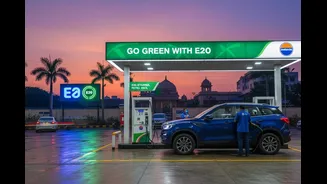
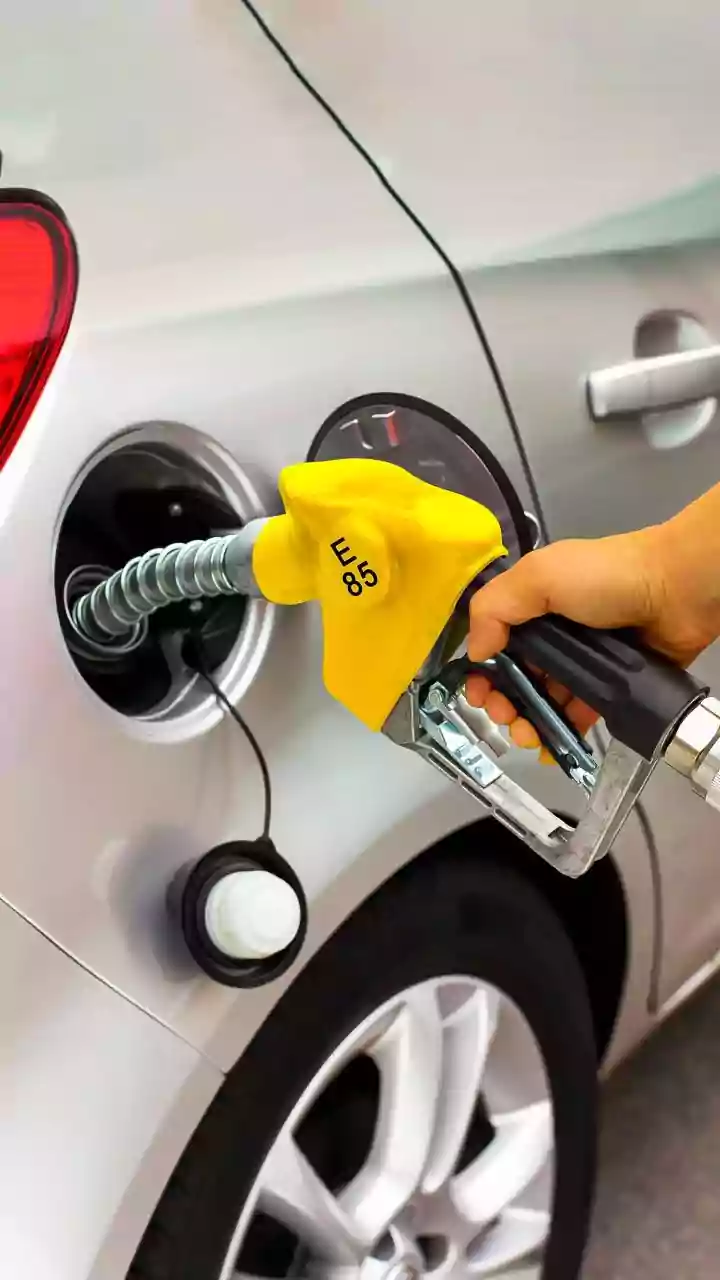
E20 is a blend of petrol with 20% ethanol, a biofuel typically derived from sources like sugarcane and maize. India's government has mandated its use to reduce the country's reliance on imported crude oil, lower carbon emissions, and support the agricultural sector. While vehicles manufactured from April 2023 onwards are generally designed to be fully E20-compatible, older models may face challenges. Ethanol is more corrosive than petrol and can attract moisture, which can lead to the faster degradation of rubber and plastic components in the fuel systems of non-compliant cars over time. This can result in performance issues and a potential drop in mileage.
Maruti's Stance and The Road Ahead
Maruti Suzuki has contested the consumer court's findings and has stated its intention to appeal the verdict in a higher forum, the State Commission. The company argues that the vehicle in question was, in fact, E20-compatible as stated in the owner's manual. Their defence claims the issues stemmed not from a manufacturing defect or incompatibility, but from the use of adulterated fuel. The company presented a lab report suggesting the fuel sample from the car contained only 6-7% ethanol, far below the E20 standard, pointing to contamination. This case is being seen as a first-of-its-kind ruling and is being watched closely by the entire auto industry.
What This Means For Indian Car Owners
This ruling could set a significant precedent, potentially empowering more vehicle owners who believe their cars have been negatively affected by the transition to E20 fuel. Legal experts suggest it could lead to a wave of similar cases against automakers, increasing their liability over the nation's ethanol-blending policy. For consumers, it underscores the importance of verifying a vehicle's manufacturing date and its specific fuel compatibility before purchase. With an estimated 80% of vehicles on Indian roads not originally designed for E20, this case highlights a critical gap in communication and transparency between manufacturers and buyers during a major national fuel transition.