





More Than Just a 'Visiting Parent'
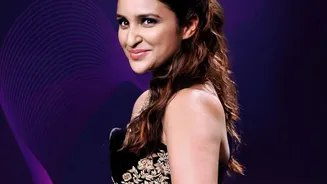
In a recent interview, actor Parineeti Chopra articulated a frustration familiar to many mothers. She questioned the societal norm where a child is considered '50-50' between parents, yet the bulk of the responsibility and life changes fall on the mother.
'The father becomes the visiting parent', she stated, pointing out the imbalance where men are often praised for simply participating in childcare, while women's deep involvement is taken for granted. This powerful observation goes beyond a simple complaint; it’s a direct challenge to the deep-seated cultural script that positions mothers as the 'default parent' and fathers as secondary caregivers or occasional babysitters. Chopra’s message resonates because it gives voice to the exhaustion many women feel when their partners are seen as 'helping' rather than co-parenting.
The 'Good Dad' Double Standard
Chopra's commentary sheds light on a significant double standard. Fathers are often celebrated for tasks like changing a diaper or attending a school meeting, actions that are simply part of a mother’s expected daily routine. This culture of low expectations not only minimizes the father's role but also places an immense, often invisible, burden on the mother. As Chopra pointed out, this dynamic is particularly harmful postpartum, a time when a mother is dealing with hormonal shifts, physical recovery, and the immense responsibility of a new life. The idea that a mother must sacrifice her identity, career, and financial independence while a father’s life continues largely uninterrupted is the core issue being challenged. The conversation isn't about diminishing a father's contribution but about elevating the expectation of his role from a helper to an equal partner.
A New Generation of Indian Fathers
Thankfully, Chopra's vision aligns with a broader, albeit slow, cultural shift. A new generation of Indian fathers is actively seeking to be more involved in their children's lives. Driven by factors like dual-income households, the rise of nuclear families, and a greater emphasis on emotional well-being, modern dads are redefining masculinity. They are moving away from the traditional, stoic 'provider' model towards becoming hands-on, nurturing partners. Research and social trends show that this increased involvement is not just beneficial for parental equality but also has a profound positive impact on children's cognitive and emotional development. This shift is about seeing fatherhood as an active, engaged relationship rather than just a title defined by financial support.
From Words to Action: The Chopra-Chadha Partnership
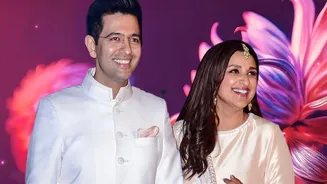
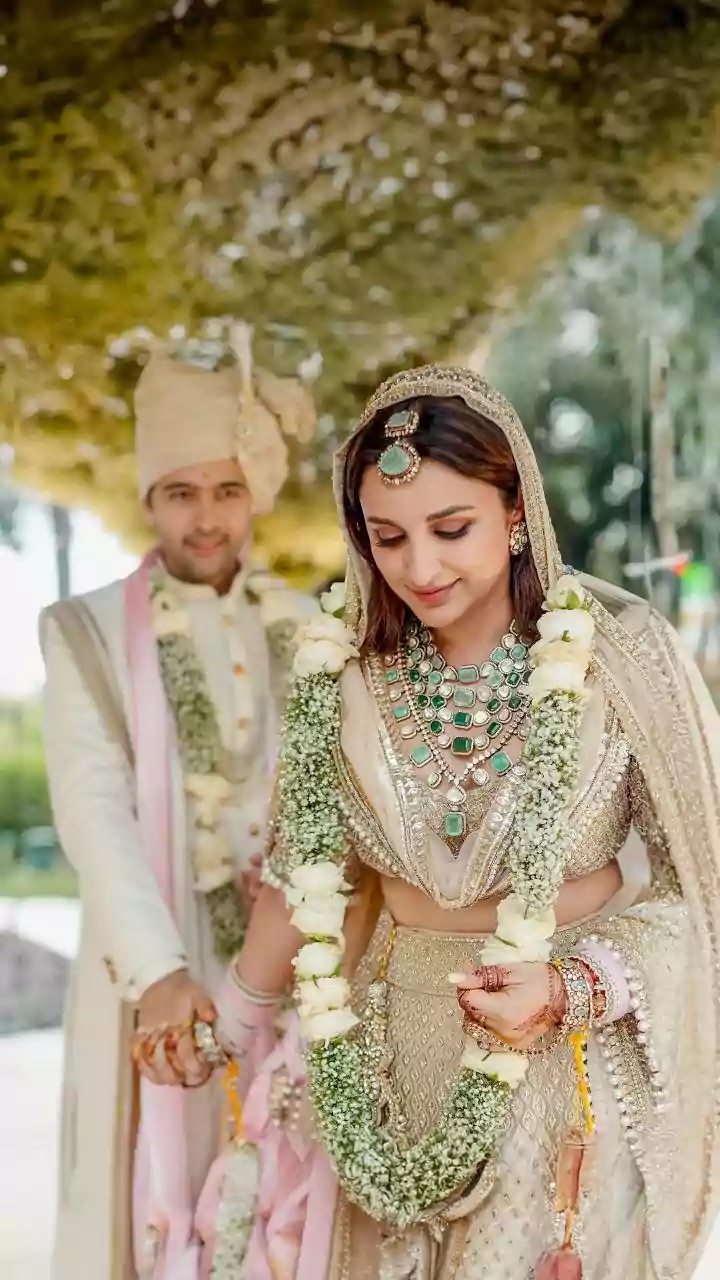
Parineeti's words carry weight because they appear to reflect her own partnership with husband and politician Raghav Chadha. The couple, who welcomed their son in 2025, have publicly presented a united front on modern parenting. Chopra has called Chadha 'the best dad' and a partner who shares her beliefs in challenging outdated myths. This was further solidified when Chadha raised the issue of legalizing paternity leave in Parliament, a move Parineeti publicly supported. His argument that caregiving should not fall solely on the mother reinforces their shared philosophy. By championing equal parental leave and responsibilities, they are not just talking the talk; they are actively modelling a partnership where both parents are equally invested in their child's upbringing.