





A Trusted Folk Remedy
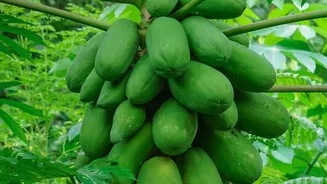
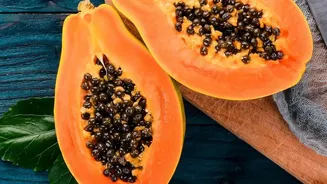
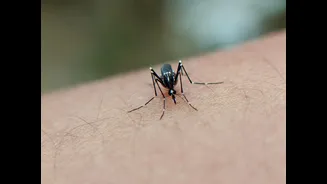
Across India, the bitter green juice of papaya leaves is a go-to traditional remedy for dengue fever. The belief is straightforward: when dengue causes a worrying drop in platelet counts (a condition called thrombocytopenia), papaya leaf extract can help
bring them back up. Platelets are essential for blood clotting, and a severe drop can lead to dangerous bleeding complications, which is a hallmark of severe dengue. Given this risk, it’s understandable why families reach for anything that might help stabilize this critical number. This belief isn't just anecdotal; it's a widespread practice rooted in generations of use, often seen as a first line of defense alongside hydration and rest.
What the Science Says About Platelets
Several clinical studies have investigated this very claim, and the results are intriguing. A number of trials have shown that patients with dengue who received Carica papaya leaf extract (CPLE) did, in fact, see their platelet counts rise faster than those who did not receive the extract. Some research suggests the extract works by boosting the activity of genes responsible for platelet production. Specifically, studies point to certain enzymes and flavonoids in the leaves that may stimulate bone marrow and protect blood cells from destruction by the virus. So, on this specific point, the traditional wisdom appears to have some scientific backing: papaya leaf extract does seem to help increase platelet counts.
The Crucial Caveat: Clinical Outcomes
This is where the story gets complicated. While platelet numbers may go up, the headline points to the bigger question: does this actually make patients better? According to a recent article in The Times of India and a critical assessment of existing research, the evidence is weak. Many studies showing a benefit are small or have methodological flaws. More importantly, there is not enough high-quality data to prove that papaya leaf extract reduces the real-world complications of dengue: the risk of severe bleeding, the duration of the hospital stay, or the progression to more severe forms of the disease like dengue hemorrhagic fever. In other words, while the lab reports might look better, it doesn't necessarily mean the patient is recovering faster or is at a lower risk of serious outcomes.
Why Platelets Aren't the Whole Story
Focusing only on the platelet count can be misleading and even dangerous. Dengue is a complex illness. Doctors monitor several factors, including hematocrit levels (which indicate plasma leakage and risk of shock), blood pressure, and warning signs like severe abdominal pain or persistent vomiting. A person's platelet count can be stable or even rising while other, more dangerous complications are developing. An over-reliance on papaya leaf juice as a cure can create a false sense of security, potentially causing people to delay seeking critical medical care. Doctors emphasize that while the juice itself is generally not harmful in moderation, the real danger lies in using it as a substitute for professional medical supervision.
The Final Verdict: A Supplement, Not a Solution
So, where does that leave this popular remedy? The consensus among many medical experts is that papaya leaf extract should be seen as a complementary therapy at best, not a cure. It may offer a modest benefit in helping platelet counts recover, but it does not replace the cornerstones of dengue management: adequate hydration, rest, and careful monitoring by a healthcare professional. Self-medicating with painkillers like ibuprofen or aspirin should be avoided, as they can increase bleeding risk. The most important step for anyone with suspected dengue is to consult a doctor for a proper diagnosis and treatment plan tailored to their overall condition, not just a single number on a blood test.