


The Land of the First Sunbeam
In the remote Anjaw district of Arunachal Pradesh, nestled near the tri-junction where India, China, and Myanmar meet, lies the serene Dong Valley. This unassuming village gained fame in 1999 when it was identified as the first place in India to witness
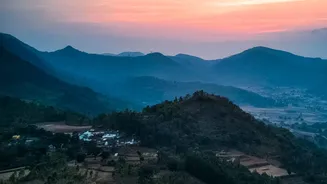
the dawn. Every morning, as early as 4 AM in the summer, the sun’s rays first strike a viewpoint high above the valley, an event that has made this a pilgrimage site for trekkers and travellers seeking unique experiences. The phenomenon turned Dong into a site of national interest, especially on January 1, 2000, when people gathered to watch the new millennium's first sunrise.
The Trek to Dawn
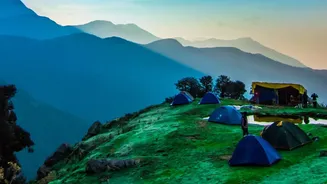
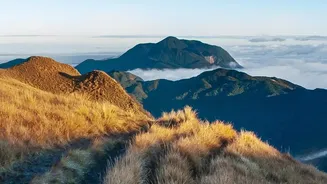
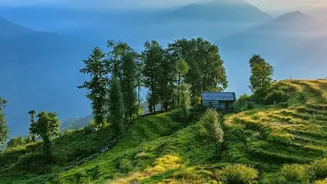
Witnessing the sunrise is an adventure in itself. The journey begins in the pre-dawn darkness from Walong, the nearest major administrative town. From a hamlet called Tilam, a trek of about 90 minutes to two hours takes you up a steep, pine-forested ridge to the viewpoint. Trekkers typically start around 2 or 3 AM, equipped with headlamps, navigating the path under a canopy of stars untouched by city lights. The climb, though challenging, rewards you with a profound sense of tranquillity as you stand on the meadow, watching the sky transform from inky blue to fiery gold over the Himalayan peaks. A local guide is highly recommended to navigate the trail safely in the dark.
Where Mountains and Rivers Meet
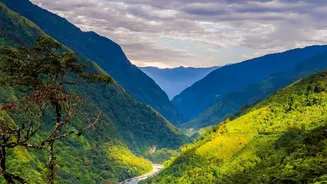
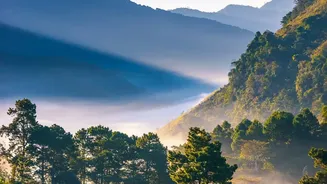
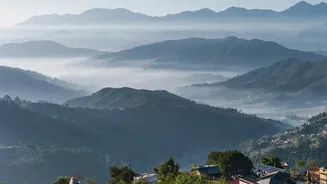
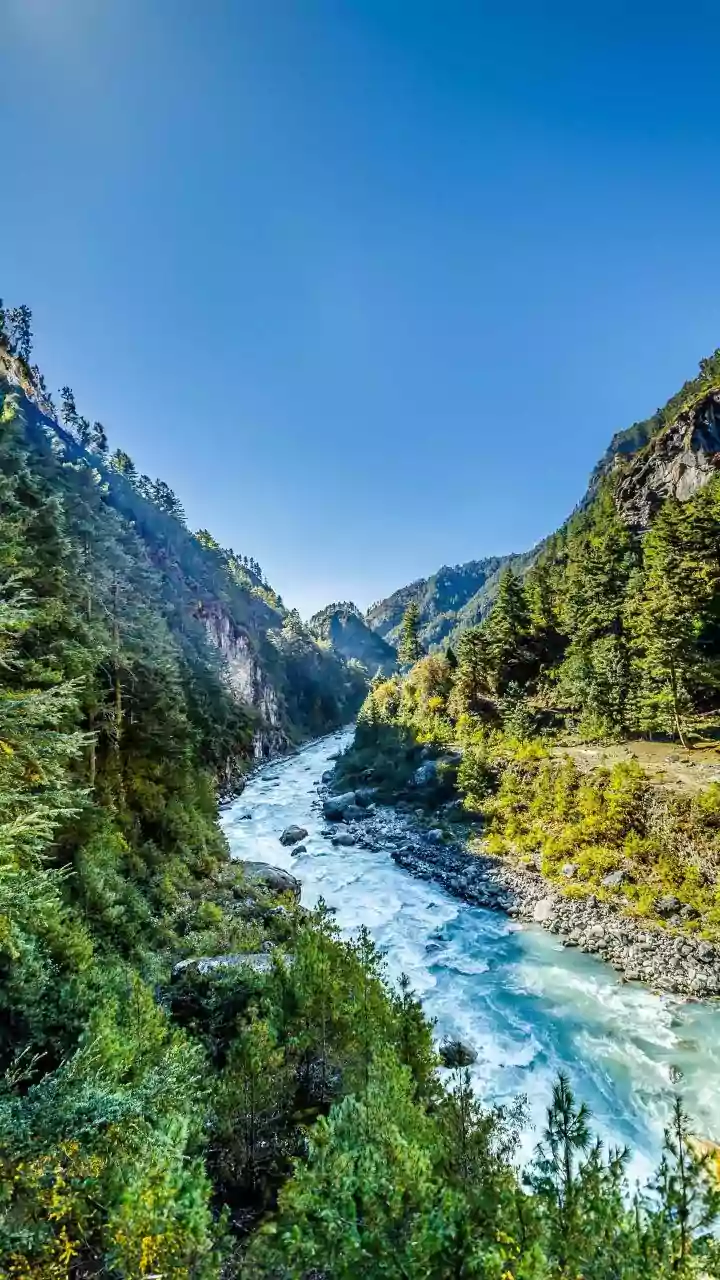
Dong Valley's allure is not limited to its famous sunrise. The region is a stunning tableau of raw, unfiltered nature. The valley is cradled by snow-capped mountains and lush pine forests. The turquoise waters of the Lohit River carve their way through the landscape, creating dramatic gorges and serene vistas. A key sight is the confluence of the Lohit and Sati rivers, a view that becomes particularly spectacular when hit by the morning sun. For travellers, the journey to Walong and Dong is as much a part of the experience as the destination itself, with the road offering constant, breathtaking views of the river and mountains.
A Glimpse into Local Life
The Dong Valley and the surrounding Anjaw district are primarily inhabited by the Meyor and Mishmi tribes, communities with rich cultural traditions. The village of Dong itself is tiny, home to only a handful of families who live a life deeply connected to nature. Visitors can experience their warm hospitality through homestays in the nearby town of Walong, which serves as the base for exploring the region. These tribes are known for their skilled craftsmanship, particularly in weaving intricate textiles and creating items from bamboo and cane. Respecting their culture and traditions is paramount for any visitor to this region.
Planning Your Expedition
A trip to Dong Valley requires careful planning due to its remote location. The journey typically begins from Dibrugarh or Tinsukia in Assam, the nearest major airport and railway station, respectively. From there, it's a multi-day road trip to Walong, usually with a stop at Tezu. Indian citizens require an Inner Line Permit (ILP) to enter Arunachal Pradesh, which can be applied for online. Foreign nationals need a Protected Area Permit (PAP), though access to this specific border zone may be restricted. The best times to visit are from October to April, when the weather is pleasant and skies are clear. Accommodation is basic, with guesthouses and homestays available in Walong. It's crucial to carry sufficient cash and fuel up, as the last ATM and petrol pump are at Hayuliang and Khupa, respectively.