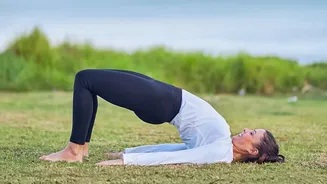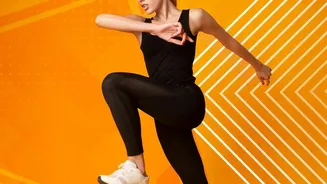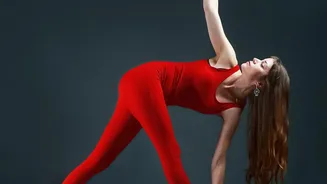





Looking for a fitness routine you’ll actually stick with? Two popular options, Zumba and Barre, promise great results but offer vastly different experiences. One is a high-energy dance party; the other is a precise, low-impact muscle toner.
The Core Philosophy: Party vs. Precision
At its heart,
Zumba is a fitness party. Born from Latin dance, its primary goal is to make exercise feel less like a chore and more like a fun, social event. The philosophy is simple: get moving, get your heart rate up, and have a good time doing it. The focus is on high-energy, full-body movements that sync with infectious music. Barre, on the other hand, is all about precision and control. Inspired by ballet, Pilates, and yoga, it uses a stationary barre for support as you perform small, targeted isometric movements. The philosophy here is to work muscles to the point of fatigue with high repetitions of small, controlled actions, creating long, lean muscle without the bulk.
The Vibe: High-Energy vs. High-Focus
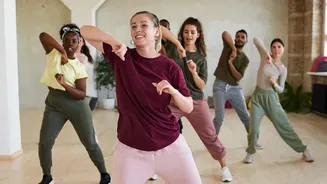
A Zumba class is loud, energetic, and social. Expect a packed room, upbeat world rhythms, and an instructor who leads the party, encouraging everyone to let loose. It’s less about perfect form and more about continuous movement and cardiovascular effort. Beginners can easily jump in because the emphasis is on fun, not flawless choreography.
In contrast, a Barre class is typically calmer and more focused. The atmosphere is more akin to a studio, where participants concentrate on their form and alignment. Music is present but serves as a backdrop rather than the main event. The instructor provides detailed guidance on posture and technique, helping you isolate specific muscle groups. This environment fosters a strong mind-body connection.
The Workout: Cardio Dance vs. Isometric Burn
Zumba is a full-body aerobic workout. Classes are structured with alternating high- and low-intensity dance intervals to maximize calorie burn and improve cardiovascular health. You’ll be constantly moving, engaging your legs, arms, and core in broad, sweeping motions. A typical hour-long class can burn between 400 and 600 calories.
Barre is a low-impact strength and endurance workout. The movements are tiny—often just an inch or two—but they are highly repetitive. This method, known as isometric contraction, works deep muscle fibres to exhaustion, which is what creates that signature 'barre shake'. While it burns fewer calories per session than Zumba (around 300-450), its strength-building benefits help boost your resting metabolism over time. Because it's low-impact, it's exceptionally gentle on the joints.
The Benefits: Heart Health vs. Posture and Tone
The primary benefit of Zumba is improved cardiovascular fitness. Regular classes can help lower blood pressure, improve endurance, and aid in weight loss. It’s also a fantastic mood‐booster, releasing endorphins that reduce stress.
Barre excels at creating toned, sculpted muscles, particularly in the abs, thighs, and glutes. The focus on core engagement and proper alignment leads to significant improvements in posture and balance. It also enhances flexibility, as stretching is an integral part of the workout. For those looking to build lean muscle and a strong, stable core without high‐impact stress, Barre is an excellent choice.
Who Is It For?
Choose Zumba if you love to dance, want a high‐energy cardio workout, and are motivated by a fun,' party‐like atmosphere. It's perfect for those whose main goals are weight loss and cardiovascular health,' and who find traditional gym workouts monotonous. If the thought of a treadmill makes you yawn,' Zumba might be your calling.
Choose Barre if you prefer a more focused,' controlled workout that builds strength,' improves posture,' and increases flexibility. It’s ideal for individuals looking for a low‐impact option that is gentle on the joints but still incredibly challenging. If you enjoy the precision of Pilates or yoga and want to build lean,' toned muscle,' you’ll feel right at home at the barre.