



The Unsung Heroes of the Indian Kitchen
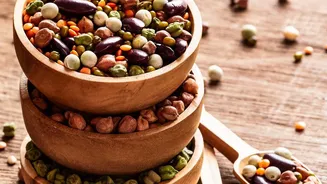
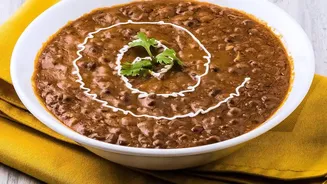
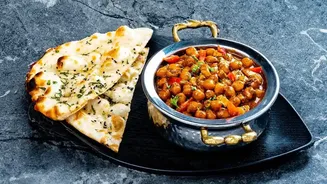
For generations, pulses have been the backbone of Indian cuisine. From the comforting dal-rice of a simple weekday meal to the festive richness of chana masala, these edible seeds of legume plants are woven into our daily lives. The term 'pulse' refers
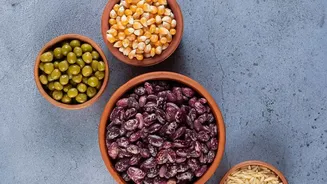
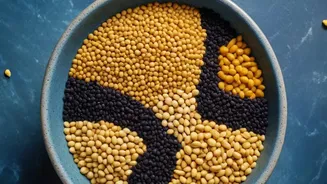
to the dried seed, and it includes a vast and colourful world of lentils, beans, and peas. Think of toor, moong, urad, and masoor dal, or hearty kidney beans (rajma) and chickpeas (chana). They are more than just ingredients; they represent culinary tradition, nourishment, and a connection to our roots that no fleeting food trend can replicate.
A True Nutritional Powerhouse
Beyond their cultural significance, pulses are nutritional giants. They are packed with plant-based protein, making them an excellent and affordable alternative to meat. A single cup of cooked lentils provides nearly 18 grams of protein, while chickpeas and kidney beans offer around 15 grams. But the benefits don't stop there. Pulses are incredibly high in dietary fibre, which aids digestion, helps you feel full for longer, and can assist in maintaining healthy blood sugar levels. They are also rich sources of essential micronutrients like iron, folate, magnesium, and zinc, which are vital for everything from energy production to immune function.
Deconstructing the 'Superfood' Myth
The term 'superfood' is a powerful marketing tool, not a scientific classification. It’s often applied to exotic and expensive foods, creating a perception that they possess unique, almost magical health benefits. However, nutrition experts caution that this label can be misleading. There is often little rigorous evidence to support the extraordinary claims made about these products. In some cases, you would need to consume a very large quantity of a so-called superfood to get the same antioxidant benefits found in a common fruit like an apple. The focus on a few trendy items can blind us to the benefits of a varied and balanced diet rich in more accessible foods.
Affordability, Accessibility, and Sustainability
This is where pulses truly shine. Compared to pricey, imported superfoods, pulses are incredibly affordable and available in every local market. This makes them one of the most cost-effective sources of high-quality nutrition. A meal built around dal or beans provides immense nutritional value at a fraction of the cost of one centered on quinoa or goji berries. Furthermore, pulses are a win for the environment. They are climate-resilient crops that require significantly less water than many other protein sources and even help to improve soil health by fixing nitrogen. Choosing pulses is a decision that benefits your health, your wallet, and the planet.
Putting Pulses Back on Your Plate
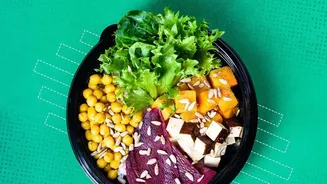
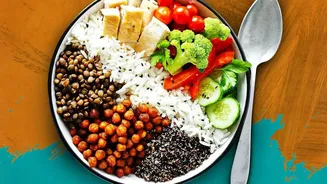
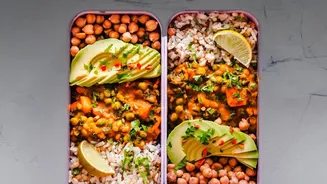
While most Indian households already consume pulses, there are always new ways to enjoy them. Sprouting whole pulses like moong can increase their nutritional value and make them easier to digest. Adding a variety of beans to salads or soups can boost their protein and fibre content. Using different dals beyond your usual go-to can introduce new flavours and nutrients; for instance, masoor dal cooks quickly for a fast weeknight meal, while urad dal provides the base for classic dishes like idli and dosa. By simply being more mindful of including a variety of these everyday staples, you tap into a deep well of nutrition that has sustained communities for centuries.