




First, Understand Your Home's Humidity
Before you even step into a nursery, take a moment to become a detective in your own home. The most crucial clue for plant success is humidity—the amount of moisture in the air. A plant that loves the tropical humidity of a Kerala monsoon will struggle
in the dry air of a Delhi winter. Most Indian homes experience fluctuating humidity, with damp monsoons and dry winters. An easy way to gauge this is to observe your environment. Do you have condensation on windows? Your humidity is likely high. Do you notice static electricity or have consistently dry skin? Your air is probably dry. Placing plants that love moisture in naturally humid rooms like kitchens or bathrooms can be a game-changer.
Choosing Plants for High-Humidity Homes
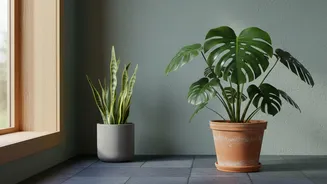
If your home feels naturally moist, especially during certain seasons, you can host a variety of beautiful tropical plants. Ferns, for instance, are classic humidity lovers with their delicate, lush fronds that instantly add a touch of green elegance. The Monstera, with its iconic split leaves, also thrives in warm, humid conditions, making it a popular choice in many Indian regions. Other excellent options include the Peace Lily, which conveniently droops to tell you when it's thirsty, and the Areca Palm, which brings a tropical resort feel indoors. These plants will feel right at home in places with ample moisture, rewarding you with vibrant growth.
Thriving in a Drier Environment
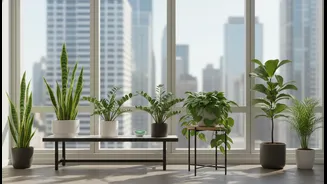
For homes with drier air, often caused by air conditioning or regional climate, the key is to choose resilient plants that are adapted to less moisture. The Snake Plant is a champion of this category; it is incredibly hardy, tolerates low light, and requires infrequent watering. Similarly, the ZZ Plant (Zamioculcas zamiifolia) is nearly indestructible, with waxy, glossy leaves that store water, making it perfect for forgetful waterers. Succulents like Aloe Vera and Jade Plants are also excellent choices, as their fleshy leaves are designed to hold onto moisture, allowing them to withstand dry spells with grace.
Assess Your Available Space
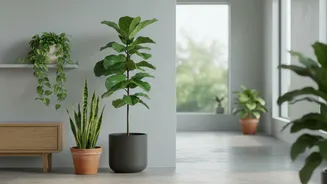
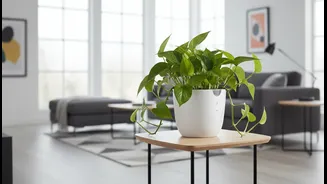
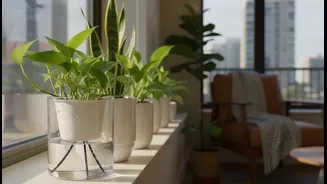
The second pillar of plant planning is space. A large, dramatic plant might look stunning in a spacious living room but will overwhelm a small apartment bedroom. Before you buy, identify the exact spot your new plant will live. Measure the floor space and, crucially, the vertical height. For tight corners or narrow hallways in compact city apartments, a plant with a vertical growth habit is ideal. The Snake Plant, which grows straight up, is a perfect example. For empty walls, consider trailing plants like a Money Plant (Pothos) or a Spider Plant in a hanging basket, which add greenery without using any floor space.
Matching Plants to Your Corners
Once you know your humidity and space, you can start matchmaking. Have a large, bright corner in your living room? An Areca Palm could be a stunning focal point. Looking for something for a small desk or shelf? A compact succulent, a small Aloe Vera, or a Lucky Bamboo in a simple container would be perfect. For that empty spot on top of a bookshelf, a trailing Money Plant will create a beautiful cascading effect. In a bedroom with low light, a ZZ Plant or Snake Plant will not only survive but thrive, purifying the air while you sleep. Thinking in terms of these specific placements turns shopping from a guessing game into a targeted mission.