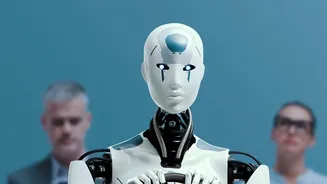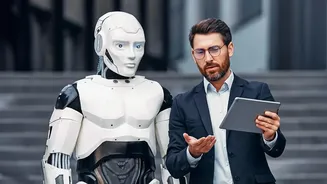





The world of hiring is in the middle of a seismic shift. Artificial intelligence is no longer a futuristic concept but a mainstream tool, forcing a radical rethink of what employers look for and how they find the right people.
AI as a Co-Pilot, Not a Replacement
The conversation around AI
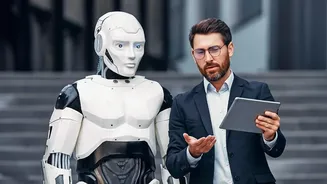
in recruitment has moved beyond the simple fear of replacement. Instead, leading companies are embracing AI as a powerful co-pilot for their human resources teams. AI excels at high-volume, repetitive tasks like scanning thousands of resumes for key qualifications, automating interview scheduling, and handling initial candidate screening. This frees up human recruiters from administrative burdens, allowing them to focus on what they do best: building relationships, assessing cultural fit, and making nuanced judgments that algorithms cannot. One study even found that using AI can save HR teams 15-20% of their time. Research shows this hybrid model, where AI handles the processing and people handle the strategy, is becoming the new standard. LinkedIn data from 2026 revealed that 93% of recruiters plan to increase their AI usage, with many stating it helps them find qualified candidates they might have otherwise missed.
Redefining 'Experience' for the AI Era
For decades, 'experience' on a resume was synonymous with years of service in a particular role. That definition is rapidly becoming obsolete. In the AI-driven workplace, employers are shifting their focus from tenure to tangible skills, adaptability, and a willingness to learn. The new priority is skills-based hiring. This means that rather than just looking at a candidate's work history, companies are more interested in their demonstrated capabilities, particularly in areas that complement AI. As routine tasks become automated, human skills like critical thinking, creativity, and problem-solving are becoming more valuable, not less. One report notes that employers are increasingly looking for learning agility and emotional intelligence, qualities that AI cannot replicate. In this new landscape, an experienced employee is not just someone who has done the same job for 20 years, but someone who has consistently adapted, learned new technologies, and can apply their deep industry knowledge in creative ways.
The Enduring Value of Human Judgment
While AI can screen for skills, it struggles with the subtleties of human interaction. This is where experienced staff remain irreplaceable. Evaluating a candidate's cultural alignment, their potential to collaborate with a specific team, and their longterm leadership potential are tasks that require emotional intelligence and intuition. As AI takes over routine work, it leaves human employees to handle more complex, ambiguous, and often emotionally charged situations. For example, a human recruiter can understand the nuance in a candidate’s career motivations beyond salary or negotiate a complex offer that an algorithm would miss. Furthermore, trust is a critical component of the hiring process. Many candidates are wary of being evaluated solely by an opaque system. The human touch provides transparency and fosters a personal connection, which can be the deciding factor in whether a top candidate accepts an offer.
New Priority Skills: AI Literacy and Prompting
As companies integrate AI, they are not just hiring AI engineers. They are prioritizing a new skill set for all employees: AI literacy. This is the ability to understand how AI tools work, evaluate their outputs critically, and recognize when human intervention is necessary. For many employers, AI literacy is the new digital literacy. Alongside this is the growing demand for prompt engineering — the skill of writing clear and effective instructions for generative AI tools like ChatGPT or Gemini to produce high_quality results. These skills dont necessarily require coding knowledge. Instead, they reflect a workforce that can collaborate with AI, using it as a tool to enhance efficiency and quality in everything from drafting reports to conducting research. According to PwC, jobs that require AI skills are growing nearly eight times faster than the overall job market, often commanding a significant wage premium.
Bridging the Gap: Upskilling the Workforce
The rapid adoption of AI has created a significant skills gap within many organizations. While companies are eager to hire new talent with AI‑native skills, they also recognize the immense value of their existing experienced staff. The most forward‑thinking organizations are not choosing one over the other; they are investing in upskilling their current workforce. This involves training experienced employees to work alongside new AI systems, helping them develop the AI literacy and critical thinking skills needed to thrive. The goal is to merge deep institutional knowledge with modern technological fluency. This strategy not only retains valuable company veterans but also creates a more resilient and adaptable organization. Ultimately,, the challenge is not just technological but organizational,, requiring leaders to manage change with clear communication and support for employees whose roles may be fundamentally transforming.