









Why Humidity is the Enemy
High humidity, common during India's monsoon season and in coastal regions, creates the perfect breeding ground for mould and bacteria. For root vegetables like beetroot, which are naturally high in moisture, this damp environment is particularly risky.
Excess moisture in the air can settle on the vegetable's surface, accelerating the natural decay process. This can lead to rapid spoilage, sometimes even before you get a chance to cook them. Furthermore, soil-borne pathogens that may be present on the skin of the beetroot can thrive in these conditions, increasing the risk of foodborne illnesses if the vegetable isn't handled and prepared correctly. Understanding this risk is the first step towards enjoying beetroot safely all year round.
Selecting the Freshest Beetroot
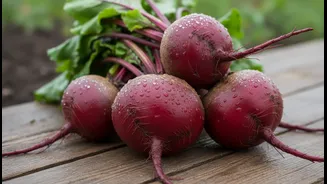
Your fight for freshness begins at the market. Choosing the best possible beetroot is crucial. Look for roots that are firm to the touch and feel heavy for their size. Avoid any that feel soft, have mushy spots, or appear shrivelled, as these are signs of ageing and moisture loss. The skin should be smooth and relatively unblemished, without major cracks or cuts that could invite decay. If the greens are still attached, they should look fresh and vibrant, not wilted or yellowed. Fresh greens are a good indicator that the root itself is fresh. However, these greens draw moisture from the root, so they need to be handled properly once you get home.
Smart Storage Solutions
Once you bring your beetroots home, proper storage is non-negotiable. First, immediately separate the greens from the roots, leaving about an inch of stem attached to the beetroot. The greens can be stored separately in the fridge and used within a couple of days, much like spinach. Do not wash the beetroot roots before storing them. Washing introduces moisture that can encourage mould and rot. Store the unwashed beetroots in a perforated or open plastic bag in the crisper drawer of your refrigerator. This allows for some air circulation while maintaining the high humidity that beetroots prefer to prevent them from drying out. Stored this way, they can last for up to three weeks.
Recognising Signs of Spoilage
Before using your stored beetroots, always give them a quick inspection. Your senses are your best guide. A fresh beetroot has a neutral, earthy smell. If you detect any off, sour, or unpleasant odours, it's best to discard it. Visually, look for any signs of mould, which can appear as fuzzy spots. In terms of texture, while slight wrinkling can sometimes be reversed by soaking in water, extreme softness, sliminess, or moist spots are clear signs of spoilage. If you press the beetroot and it feels mushy or limp, it is no longer safe to eat and should be thrown away. Never try to cut away a small mouldy spot on a soft vegetable like beetroot, as the spoilage can penetrate deeper than is visible.
Safe Preparation for Cooking
When you are ready to cook, the focus shifts to safe preparation. Wash the beetroots thoroughly under clean, running water. Use a vegetable brush to scrub the entire surface, removing any lingering soil and potential contaminants. This step is especially critical in humid weather, as the soil can harbour bacteria. Even if you plan to peel the beetroot, washing it first prevents transferring contaminants from the skin to the flesh via your knife or peeler. After cooking, if you have leftovers, cool them quickly and store them in an airtight container in the refrigerator. Cooked beetroot should be consumed within 3 to 5 days to ensure it remains safe and tasty.